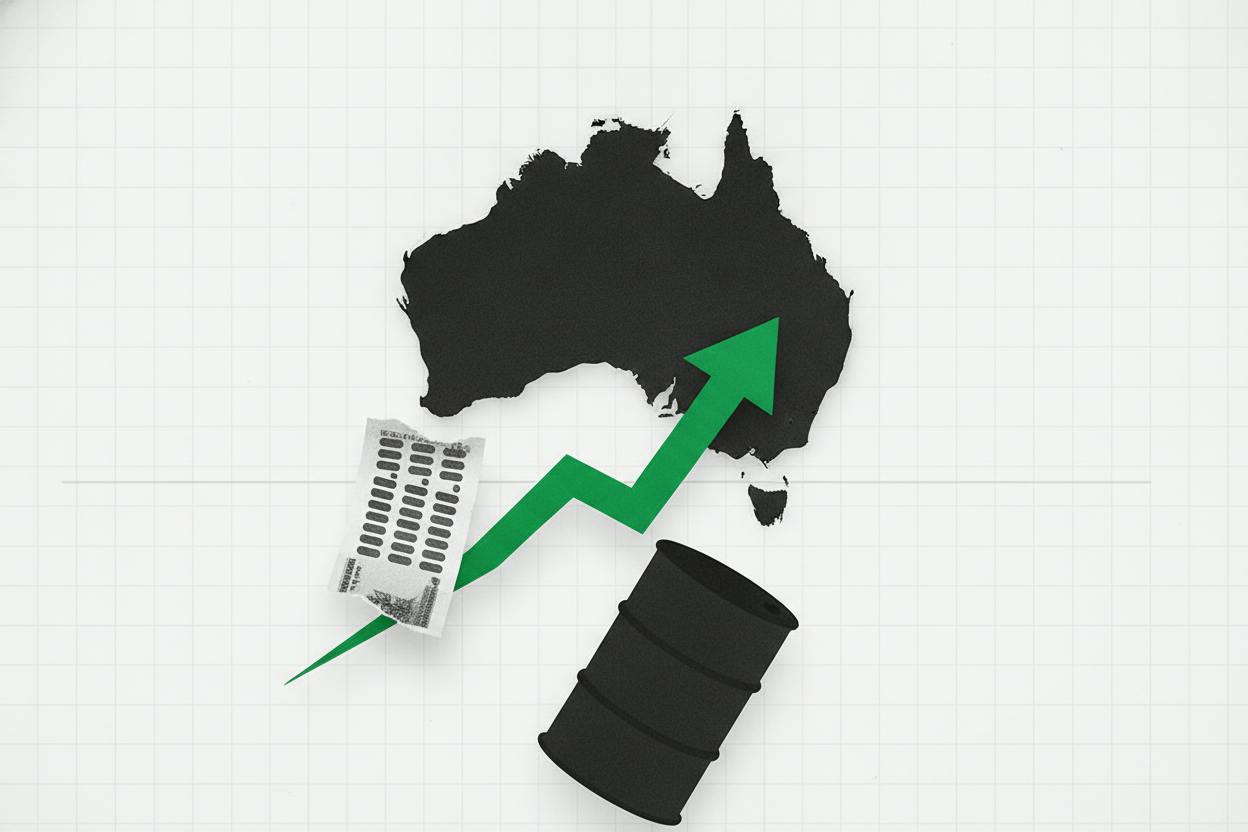
Australian shares recorded their biggest single-day jump in more than a year on Wednesday, with the benchmark ASX 200 climbing 2.6% to close above the 9,000-point mark for the first time. The rally came as investors welcomed the outcome of the US midterm elections, which appeared to shift the balance of power in Washington, and as global oil prices slid below US$100 a barrel.
The broad-based advance was led by mining stocks, which benefited from the improved risk appetite, while airlines such as Qantas and Virgin Australia also posted strong gains as cheaper fuel costs brightened their outlook. However, not all shares joined the party: National Australia Bank (NAB) fell after reporting higher credit impairment charges, a reminder that the economic backdrop remains uneven.
Why the midterms mattered to markets
US midterm elections determine control of Congress, and this year's results pointed to a more divided government. Investors often interpret such an outcome as reducing the likelihood of major policy shifts, because gridlock makes it harder for either party to push through sweeping legislation. That can be seen as a stabilising force for markets, as it lowers the risk of sudden regulatory or fiscal changes.
In this case, the market's reaction was also tied to geopolitics. The midterms were seen as easing concerns about escalation in the Middle East, particularly regarding Iran. With less perceived risk of a broader conflict, oil prices dropped sharply, falling below the psychologically important US$100 level. Cheaper oil is generally positive for the global economy because it reduces input costs for businesses and leaves consumers with more spending power.
The move in Australian shares was part of a broader global rally. Similar gains were seen across the region, with New Zealand shares jumping 2.2% and European stocks set to rise as the risk-on mood spread. The rally in stocks and bonds reflected a collective sigh of relief from investors who had been bracing for a more contentious political environment.
Oil's drop: a tailwind for airlines and miners
The slide in oil prices was a key driver of the day's gains. For airlines, fuel is typically one of the largest operating costs, so a fall in crude prices can quickly improve profit margins. That explains why Qantas and Virgin Australia were among the standout performers, as investors bet on lower expenses ahead.
Mining stocks also led the charge, benefiting from the broader risk-on sentiment. When investors feel more confident about the global outlook, they tend to rotate into cyclical sectors like materials, which are closely tied to economic growth. The ASX 200's heavy weighting in mining companies meant the sector's strength had an outsized impact on the index.
The drop in oil also had knock-on effects for other markets. Indian shares were set to open higher as Brent crude slid to a two-month low, and oil plunged 9% as the midterms eased fears of an Iran escalation. For energy-importing nations, cheaper oil is a clear positive, as it reduces import bills and helps contain inflation.
NAB's stumble: a cautionary note
While most of the market celebrated, NAB's shares fell after the bank reported higher credit impairment charges. These charges are provisions that banks set aside to cover loans that may not be repaid. An increase suggests that the bank expects more borrowers to struggle, which can be a warning sign for the broader economy.
For everyday investors, this is a reminder that not all sectors move in tandem. Even on a day of strong market gains, individual companies can face company-specific headwinds. Banks are particularly sensitive to the health of the economy, as their profits depend on borrowers' ability to repay debts.
What it means for investors
The ASX 200 crossing 9,000 is a notable milestone, but it's important to keep perspective. One day's move, however large, does not define a trend. The rally was driven by a combination of political clarity and falling oil prices, both of which can shift quickly.
For investors, the key takeaway is that markets are reacting to a perceived reduction in risk. Cheaper oil could help ease inflationary pressures, which would be welcome news for central banks and consumers alike. However, the rise in NAB's credit charges serves as a reminder that the economic picture is mixed, and some sectors may face headwinds even as others surge.
As always, it's wise to focus on your own investment goals and time horizon rather than chasing daily market moves. Diversification across sectors and asset classes can help smooth out the bumps, whether the market is jumping or sliding.