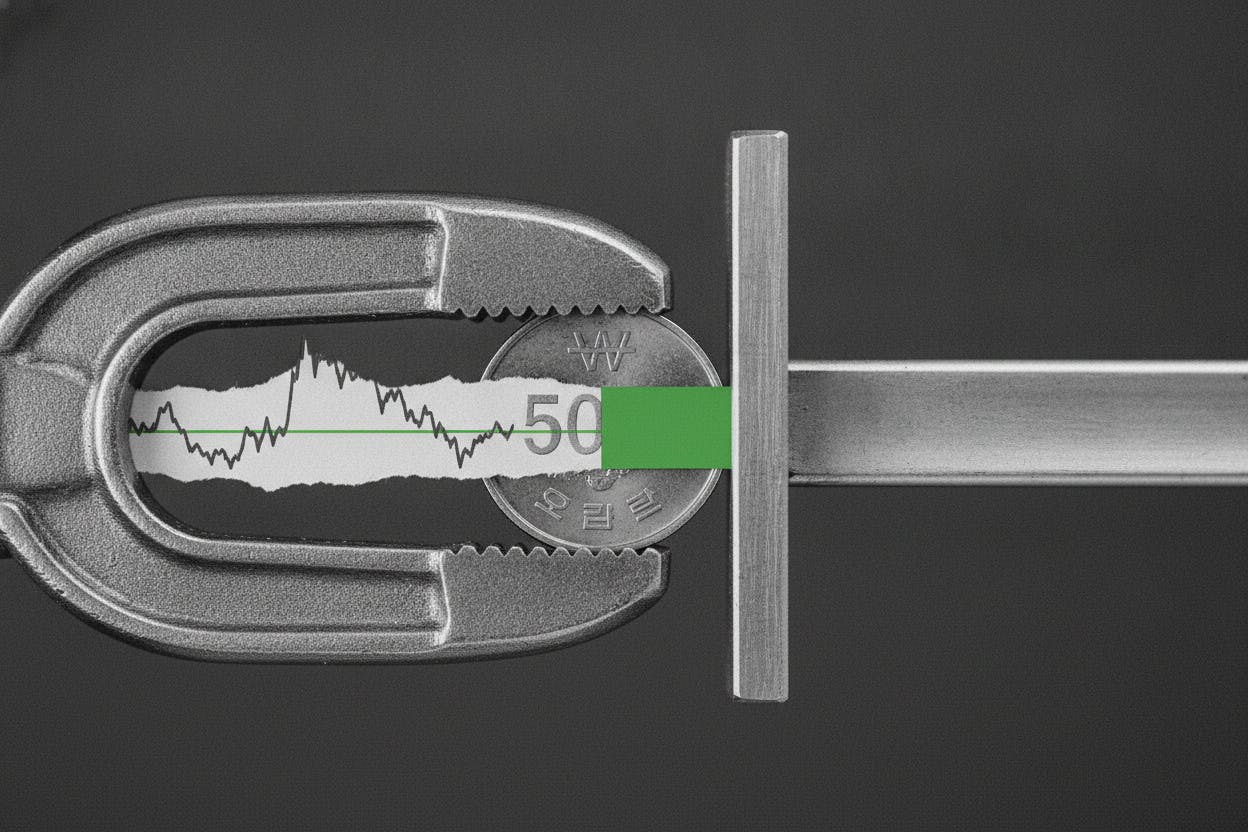
South Korean regulators are moving quickly to rein in single-stock leveraged exchange-traded funds (ETFs), a popular but risky product that has drawn heavy retail trading. Finance Minister Koo Yun-cheol said Tuesday that officials will fast-track tighter limits, including a cap that could restrict these funds to 20% of an individual investor's total investment assets. The announcement comes as trading volumes and volatility in the KOSPI, the country's main stock index, have started to ease from recent peaks.
What are single-stock leveraged ETFs?
These are exchange-traded funds that aim to deliver a multiple of the daily return of a single stock. For example, a 2x leveraged ETF on a tech giant would seek to rise 2% on a day when the underlying stock gains 1%, and fall 2% when the stock drops 1%. To achieve that, the fund manager must constantly rebalance the portfolio, buying and selling the underlying stock or derivatives throughout the trading day. That constant trading is what makes these products inherently volatile and expensive to run.
They are designed for short-term traders who want to amplify their bets on a single company's share price. But they are not meant for long-term holding, because the daily resetting can erode returns over time, especially in choppy markets. For ordinary investors, the risks are significant: a leveraged ETF can lose value rapidly if the underlying stock moves against the position, and the compounding effect can lead to losses that are larger than the simple multiple would suggest.
Why regulators are stepping in
South Korea has seen a surge in retail trading of these products, particularly among younger investors looking for quick gains. The popularity of single-stock leveraged ETFs has raised concerns about market stability and investor protection. Earlier measures to cool demand, such as raising margin requirements or warning investors about the risks, did not slow the appetite. Now, officials are fast-tracking a more direct limit: capping an individual's exposure to these ETFs at 20% of their total investment assets.
This cap is designed to prevent investors from concentrating too much of their portfolio in a single high-risk product. It is a blunt but effective tool, forcing diversification and limiting the potential damage from a sharp move in one stock. The move also comes as the KOSPI has been volatile, with recent swings driven by global tech and chip concerns. As Korea's stock bounce fades, regulators are keen to avoid a situation where leveraged bets amplify market downturns.
What it means for investors
For everyday investors, this regulatory push is a reminder that leveraged products are not suitable for most people. The 20% cap, if implemented, would limit how much of your portfolio you can put into these ETFs, but it does not change the underlying risk. Even within that cap, you could still lose a significant portion of your investment if the stock moves against you.
The fast-tracking also signals that regulators are watching retail trading behavior closely. In recent months, Asian markets have been volatile, and South Korea is not alone in trying to protect retail investors from themselves. Other markets have imposed similar restrictions on leveraged products, often after periods of heavy retail participation.
For those who already hold these ETFs, the new rules could mean they need to reduce their positions to comply. That could lead to selling pressure in the underlying stocks, at least temporarily. But for most investors, the takeaway is simpler: leveraged ETFs are a trading tool, not an investment. They are best avoided unless you fully understand the mechanics and are prepared for the possibility of losing most or all of your money.
What to watch next
The exact details of the cap, including how it will be calculated and enforced, are still being worked out. Regulators have said they will move quickly, so investors should expect announcements in the coming weeks. The reaction of the KOSPI and trading volumes will also be closely watched, as the market has already shown signs of cooling. If volatility continues to ease, the urgency for the new rules may diminish, but the direction is clear: South Korea is tightening the leash on leveraged ETFs.
For a broader view of how these developments fit into the regional picture, Asian markets are still adjusting to shifts in tech sentiment and currency moves. The leveraged ETF crackdown is part of a larger effort to ensure that retail investors are not taking on more risk than they can handle, especially in a market that has seen sharp swings.
In the end, the message from Seoul is straightforward: the era of easy leverage on single stocks is coming to an end. For investors, that is probably a good thing.