Southeast Asia's digital economy is on track to hit $368 billion in sales in 2026, according to a new report from Google, Bain & Company, and Temasek. That's a 17% jump from the previous year, and the report suggests there's still plenty of room to grow. But beneath the headline numbers, the fundraising picture is more uneven than it first appears.
The e-Conomy SEA 2026 report, which tracks the region's internet economy, found that while total funding surged to $21 billion in the first half of 2026—up from $11 billion for all of 2025—the number of private deals actually fell sharply. There were 421 deals in 2025, down 28.4% from the year before. That disconnect points to a market where a handful of large transactions are doing most of the heavy lifting.
Data centers are driving the rebound
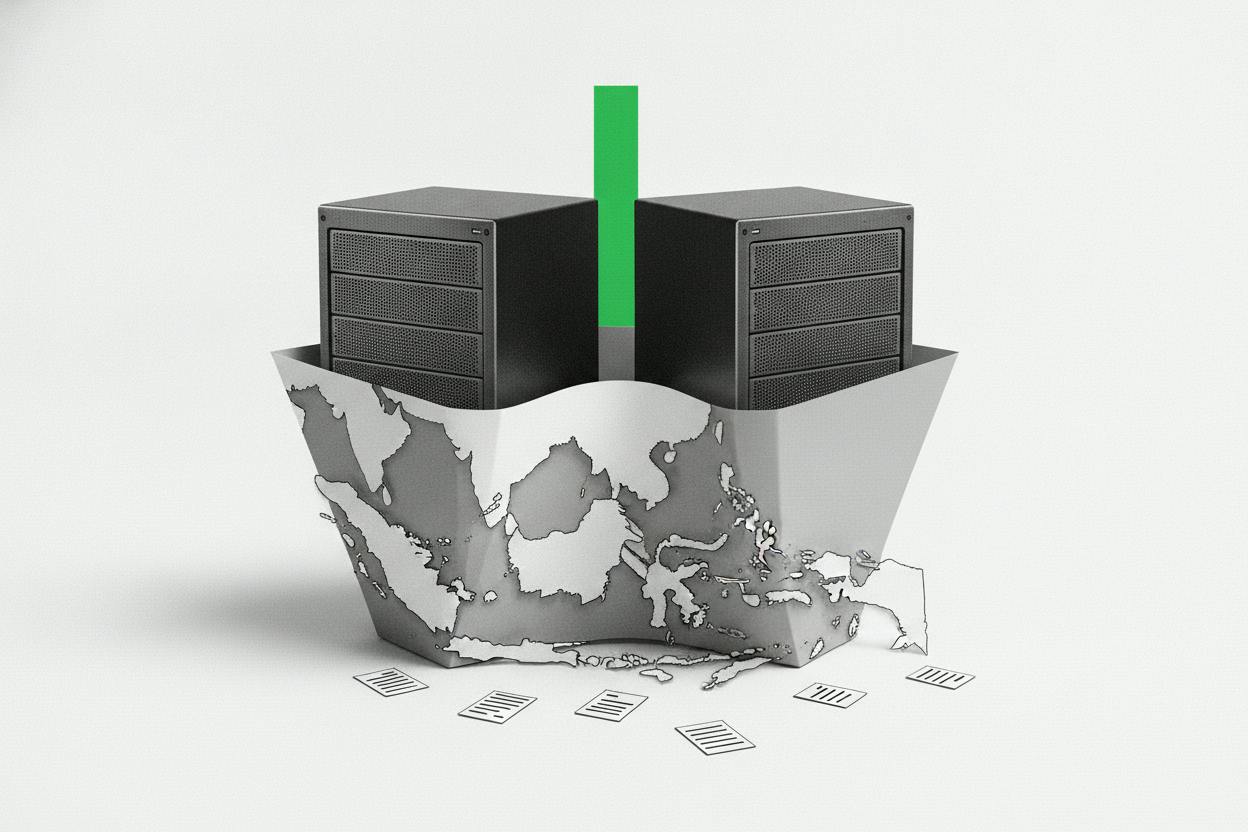
The report attributes much of the funding swing to two major data center deals. These infrastructure investments are attracting big money because of the growing demand for cloud computing and artificial intelligence services across the region. As more businesses move online and adopt AI tools, the need for data storage and processing power has skyrocketed.
This isn't just a Southeast Asia story. Globally, data centers have become a hot asset class, with investors pouring billions into facilities that house servers and networking equipment. The region's relatively young internet user base and rapid digital adoption make it an attractive market for such investments.
For context, data center landlords are attracting attention from investors looking for steady, long-term returns. And the growth of AI chip sales is closely tied to the expansion of cloud infrastructure, which is why companies like Google are investing heavily in this space.
What this means for startups and investors
The lopsided funding picture suggests that while the overall digital economy is expanding, the startup ecosystem is not experiencing the same broad-based boom. Early-stage companies may find it harder to raise money, while larger, more established players—especially those in infrastructure-heavy sectors—are attracting the bulk of capital.
For everyday investors, this is a reminder that headline numbers can be misleading. A surge in total funding doesn't necessarily mean that every sector or company is thriving. It's important to look beneath the surface to see where the money is actually going.
The report also highlights the growing importance of data centers as an investment theme. As institutional investors allocate billions to Southeast Asia, infrastructure plays like data centers are becoming a key part of the region's digital economy story.
What to watch next
Investors will be watching whether the data center momentum continues and whether it eventually trickles down to other parts of the digital economy. The report's projection of continued sales growth suggests that consumer demand for digital services remains strong, but the funding environment may stay selective.
For those looking to understand the region's digital economy, the e-Conomy SEA report is a valuable resource. It provides a comprehensive look at trends in e-commerce, ride-hailing, online media, and financial services across Southeast Asia. The 2026 edition underscores that while the pie is getting bigger, not everyone is getting an equal slice.
As always, it's wise to consider the broader economic context. Global inflation pressures and mixed economic signals can influence investor sentiment and capital flows. But for now, Southeast Asia's digital economy remains a bright spot, even if its growth is increasingly concentrated.