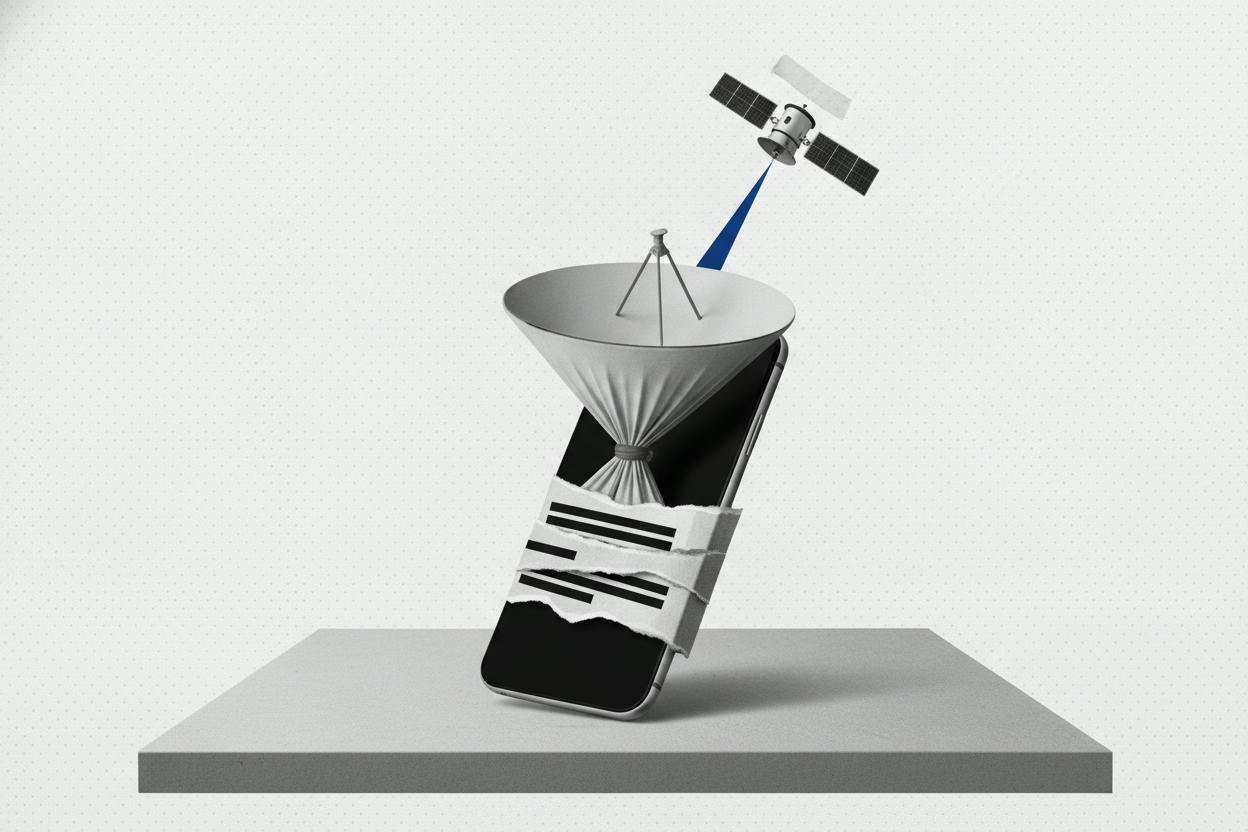
Monday's dealmaking was unusually busy, with a reported tie-up between SpaceX and EchoStar's wireless brand Boost Mobile grabbing the spotlight. At the same time, two major energy companies—BP and Mitsubishi—completed multibillion-dollar asset sales, underscoring a broader trend of corporations reshaping their portfolios.
SpaceX and Boost Mobile: What's on the table?
According to The Washington Post, SpaceX is in talks to either acquire Boost Mobile outright or reach an agreement that would give the satellite company access to Boost's network. Boost Mobile is a prepaid wireless brand owned by EchoStar, which also operates satellite communications services.
The key detail here is how Boost's network actually works. Boost doesn't own its own nationwide cellular towers. Instead, it leases wholesale capacity from larger carriers like AT&T and T-Mobile. That means a deal with SpaceX could be less about buying physical infrastructure and more about gaining a foothold in the wireless market and securing access to spectrum and customers.
For SpaceX, which already runs the Starlink satellite internet service, a move into mobile could be a natural extension. Starlink has been expanding its direct-to-cell capabilities, which allow standard phones to connect to satellites in areas without terrestrial coverage. A partnership or acquisition involving Boost could accelerate that effort, giving SpaceX a ready-made customer base and a way to bundle satellite and cellular services.
For EchoStar, selling or partnering on Boost could provide much-needed cash and help the company focus on its core satellite business. The company has been under financial pressure, and divesting a capital-intensive wireless operation could ease that strain.
BP and Mitsubishi: Big sales, clear strategies
While the SpaceX news dominated headlines, BP announced it had completed the sale of its Castrol lubricants business for $6 billion. Castrol is a well-known brand in motor oils and industrial lubricants, but it's not central to BP's push toward lower-carbon energy. The sale is part of BP's broader effort to simplify its portfolio and raise cash to fund its transition strategy.
Mitsubishi, meanwhile, sold a $1.6 billion stake in LNG Canada, a major liquefied natural gas project. The Japanese conglomerate is trimming its exposure to large, capital-heavy energy projects, a common move among companies looking to free up capital for other priorities.
These deals fit a wider pattern. Across industries, companies are selling non-core assets to sharpen their focus, pay down debt, or return money to shareholders. For investors, such moves can signal that management is serious about efficiency and discipline.
What it means for investors
For everyday investors, the flurry of dealmaking offers a few takeaways.
First, corporate asset sales are often a sign that management is actively managing the portfolio rather than sitting still. When a company sells a division, it usually means that business wasn't generating the returns management wanted, or that the proceeds can be put to better use elsewhere. That can be a positive signal, but it's worth watching how the proceeds are used—whether they go toward growth, debt reduction, or shareholder returns.
Second, the SpaceX-Boost talks highlight how quickly the lines between satellite and mobile communications are blurring. If a deal happens, it could shake up the competitive landscape in wireless, potentially affecting pricing and service options for consumers. For investors in telecom and satellite stocks, this is a space to watch.
Finally, the energy sector's ongoing reshuffling—BP selling Castrol, Mitsubishi trimming LNG Canada—reflects the industry's long-term shift toward cleaner energy and more focused operations. Investors with exposure to oil and gas companies should pay attention to how these firms are repositioning for the future.
As always, no single deal tells the whole story. But Monday's activity shows that dealmaking is alive and well, and that companies are willing to make bold moves to adapt to changing markets.