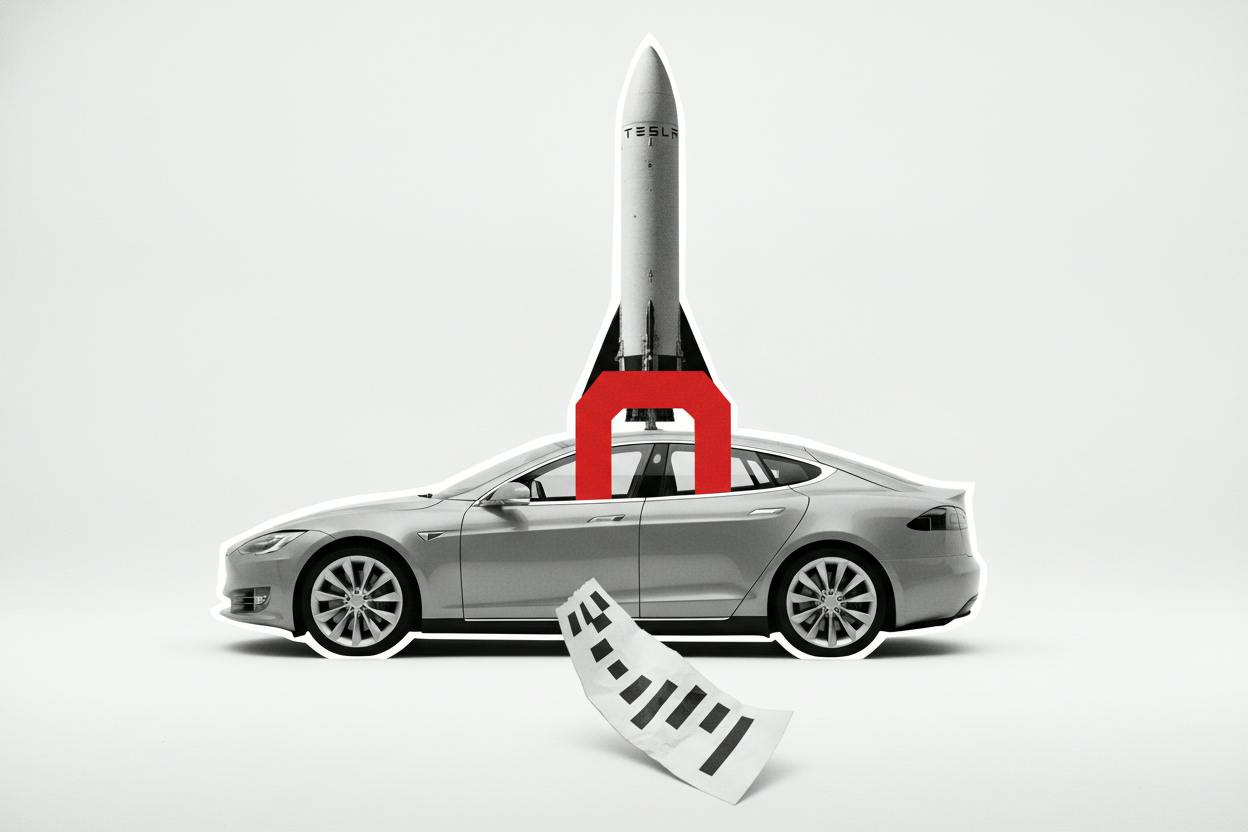
Elon Musk's suggestion of a merger between SpaceX and Tesla has sparked fresh debate about corporate governance and executive pay. According to Reuters, such a tie-up could boost Musk's voting control at Tesla without immediately triggering the full $1 trillion stock package that shareholders approved. The report, by Reuters' Chris Kirkham, focuses on how the deal's structure could reshape both control and compensation.
What's behind the merger idea?
On a recent SpaceX call, Musk said both companies' boards have set up special committees to explore a potential combination. While the idea of merging a rocket company with an electric-vehicle maker may sound surprising, the real driver appears to be governance. Musk has long sought greater control over Tesla, and a merger could be a way to achieve that without a traditional pay vote.
SpaceX already operates with a dual-class share structure, meaning some shares carry more voting power than others. Reuters notes that this setup has helped Musk reach roughly 85% voting control at SpaceX. Tesla, by contrast, does not have super-voting shares, so Musk's stake there is far smaller—recent filings suggest he owns about 13% of the company.
How a merger could change the math
If Tesla were to acquire SpaceX, or vice versa, the combined company's share structure could be designed to give Musk outsized voting power. For example, Tesla could issue new shares with enhanced voting rights, or SpaceX's existing dual-class shares could be carried over. This would allow Musk to consolidate control without needing to buy more stock on the open market.
The timing is also notable. Tesla shareholders previously approved a massive compensation package for Musk, valued at up to $1 trillion, but that plan has faced legal challenges and has not been fully realized. Reuters says a merger could lift Musk's voting power without handing him the full payday right away, potentially sidestepping some of the controversy.
What it means for investors
For everyday investors, the key takeaway is that this is as much about power as it is about business synergy. A merger would create a sprawling company spanning space, EVs, and possibly other ventures, but it would also concentrate decision-making in Musk's hands. That could be a double-edged sword: strong leadership can drive innovation, but reduced checks and balances may worry governance-focused investors.
Investors should also consider the practical hurdles. Merging two large, complex companies is never simple, and regulatory approval could be a major obstacle. Antitrust authorities may scrutinize the deal, and Tesla's board would need to ensure it protects minority shareholders. The special committees Musk mentioned are a sign that both sides are taking the idea seriously, but many details remain unclear.
For those watching Tesla, the news adds another layer of uncertainty to an already volatile stock. The company has faced mixed sales in Europe and fluctuating deliveries in China, and a merger could distract management from core operations. On the other hand, a successful tie-up could unlock new synergies, such as using SpaceX's satellite internet for Tesla's autonomous driving or leveraging Tesla's battery tech for space missions.
Broader market context
The proposal comes at a time when tech stocks are under pressure from AI oversight concerns, and investors are increasingly focused on corporate governance. Musk's recent acquisition of Twitter (now X) drew criticism for its management style, and some Tesla shareholders have called for more board independence. A merger could be seen as a way for Musk to tighten his grip, which might not sit well with all investors.
Still, Musk's track record with SpaceX and Tesla has been remarkable, and many shareholders remain loyal. The special committees suggest the idea is more than a passing comment, but any deal would take months, if not years, to complete. In the meantime, investors should watch for updates on the committees' work and any regulatory filings.
The bottom line
The SpaceX-Tesla merger idea is a reminder that Musk's influence extends far beyond any single company. For investors, it's a story about control, compensation, and the future direction of two of the most valuable private and public companies in the world. While the full $1 trillion payday may not come immediately, the potential for increased voting power could be just as significant. As always, it's wise to stay informed and consider how such a deal might affect your portfolio.