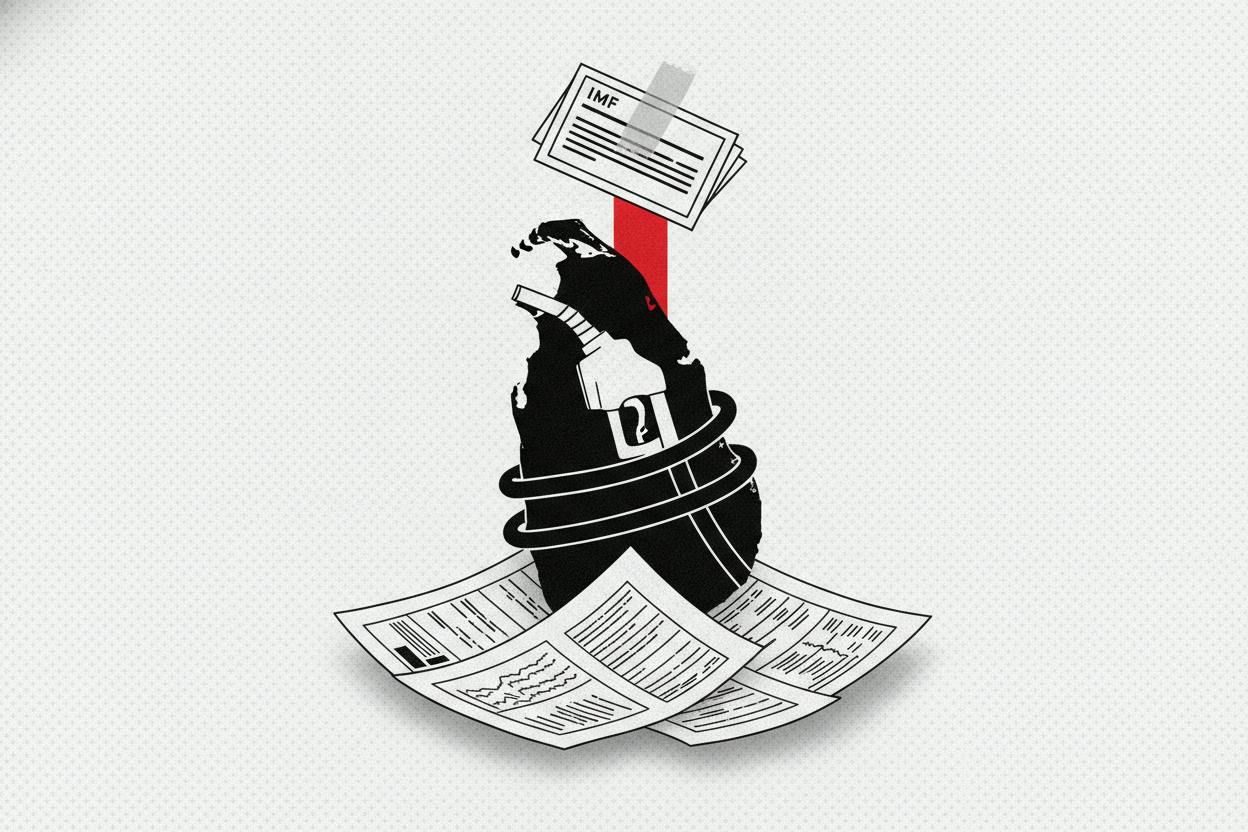
Sri Lanka's economy continued to expand in the second quarter, growing 4.2% year-on-year, even as inflation picked up sharply and the central bank moved to tighten monetary policy. The latest data shows a resilient economy, but rising prices are becoming a growing concern for policymakers and households alike.
Growth slows but remains solid
The 4.2% expansion in the April-to-June period marks a slowdown from the 5.1% growth recorded in the first quarter, but it still represents a healthy pace for an economy that has faced significant challenges in recent years. The main driver was the industrial sector, which grew 7.3% year-on-year, reflecting strength in manufacturing and construction. Agriculture expanded by 2.3%, while services rose 2.7%.
This broad-based growth suggests that domestic demand and production remain resilient, even as the global economic environment becomes more uncertain. For everyday investors, this means that companies tied to Sri Lankan industry and manufacturing may continue to see solid earnings, at least in the near term.
Inflation reaccelerates
The bigger issue is inflation. After easing to 2.2% in March, consumer prices have climbed steadily, reaching 8% in August. The main culprit is energy costs. Sri Lanka imports most of its fuel, and higher global oil prices have filtered through to local pump prices and, in turn, to the cost of goods and services across the economy.
This is a familiar pattern for many import-dependent economies, and it's one that investors have been watching closely. As oil price jumps have pushed inflation higher in other markets, Sri Lanka is feeling similar pressure. The rise in inflation has already prompted the Central Bank of Sri Lanka to act, raising its key interest rate by 100 basis points.
Central bank responds
The rate hike is a clear signal that the central bank is prioritizing price stability over supporting growth. By raising borrowing costs, the bank aims to cool demand and prevent inflation from becoming entrenched. However, higher rates also make loans more expensive for businesses and consumers, which could slow economic activity in the coming quarters.
For investors, this creates a delicate balancing act. On one hand, higher rates can boost returns on savings and fixed-income investments. On the other, they can weigh on corporate profits and stock valuations, particularly for companies with high debt levels.
What it means for investors
For those with exposure to Sri Lankan assets, the key takeaway is that the economy is still growing, but the inflation picture is deteriorating. The central bank's rate hike is a preemptive move to keep price pressures under control, but it may also signal that further tightening is possible if inflation continues to rise.
Investors should watch inflation data closely in the coming months. If energy prices remain elevated, inflation could stay above the central bank's comfort zone, leading to more rate hikes. That would likely put additional pressure on the Sri Lankan rupee and could affect the performance of local stocks and bonds.
On a broader level, Sri Lanka's situation is part of a global trend. Many economies are grappling with the dual challenge of slowing growth and rising inflation, often referred to as stagflation. As oil and Treasury yields have revived inflation fears in Asian markets, the same dynamics are at play in Sri Lanka.
Looking ahead
The central bank's next moves will be crucial. If inflation continues to accelerate, further rate hikes are likely, which could dampen the growth momentum seen in the first half of the year. Conversely, if energy prices stabilize and inflation eases, the bank may pause its tightening cycle, giving the economy room to continue expanding.
For now, the data paints a picture of an economy that is still growing, but with a clear warning sign on prices. As oil-driven inflation remains a focus in global markets, Sri Lanka's experience is a reminder of how external factors can quickly reshape a country's economic outlook.
Investors should stay informed and consider how these trends might affect their portfolios. While no one can predict the exact path of inflation or interest rates, understanding the underlying forces can help make more informed decisions.