Payments giant Stripe has agreed to acquire OpenRouter, an AI token-routing startup, for $8 billion. The deal is a clear signal that the artificial intelligence boom is shifting from flashy consumer apps to the behind-the-scenes infrastructure that makes AI usage predictable and billable.
OpenRouter acts like a traffic controller for AI requests. When a company uses generative AI, it's often charged per token — essentially, per chunk of text processed. Costs can climb quickly every time a product is queried. OpenRouter helps by sending each request to whichever AI model offers the best mix of price and quality, and it can reduce wasted tokens, lowering the cost per useful response.
For Stripe, the acquisition is a strategic move to embed itself deeper into the AI economy. Stripe already processes payments for many AI companies, and owning the routing layer could let it offer a more integrated service: handle the AI request, route it to the cheapest model, and bill the customer — all in one place.
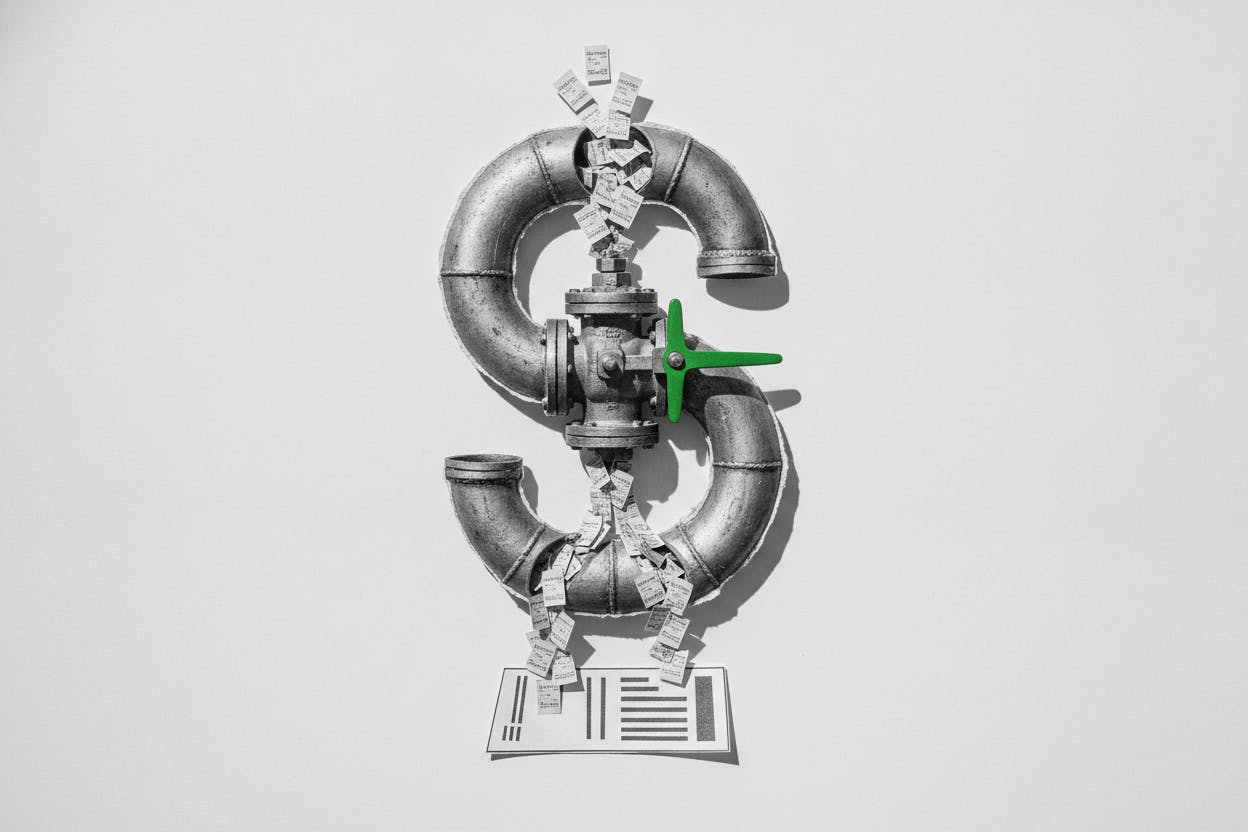
AI's new plumbing
The deal underscores a broader trend: investors are increasingly rewarding companies that build the "plumbing" of AI rather than the applications on top. Just as the internet boom eventually favored the companies that built the cables, servers, and payment rails, the AI boom is now favoring those that build the infrastructure that makes AI reliable and cost-effective.
This is visible in other recent moves. Google has teamed up with chipmaker Marvell on custom AI chips, a partnership that could give Google more control over its AI hardware and reduce its reliance on Nvidia. The deal, which analysts have valued at around $12.2 billion, is another example of how the AI supply chain is being built out.
Meanwhile, UK software firm Pinewood has found a US buyer, though the terms were not disclosed. The acquisition highlights how AI-related software companies are attracting interest from overseas buyers looking to expand their capabilities.
What it means for investors
For everyday investors, the Stripe-OpenRouter deal is a reminder that the AI trade is evolving. The early winners were the chipmakers and the big cloud providers. Now, the market is starting to reward companies that help manage AI's costs and make it easier for businesses to adopt.
"Companies that reduce the friction of using AI — whether through better routing, cheaper chips, or simpler billing — are becoming essential," said one industry analyst, speaking on condition of anonymity. "That's where the sustainable growth is."
Investors should watch for a few things. First, how Stripe integrates OpenRouter into its payments platform. If it can offer a seamless "AI-as-a-service" package, it could attract a wave of small and medium businesses that want to use AI without worrying about the technical details.
Second, the Google-Marvell partnership could signal a shift in the chip market. If custom chips become more common, it could pressure Nvidia's dominance and create new opportunities for other chipmakers.
Finally, the Pinewood acquisition shows that AI-related software companies are attractive targets for buyers. For investors holding such stocks, this could mean a premium on their shares if a buyer comes knocking.
The bigger picture
The Stripe deal is part of a larger pattern of consolidation in the AI infrastructure space. As the technology matures, the companies that control the pipes — the routing, the billing, the chips — are likely to capture a growing share of the value.
For those who missed the early AI rally, the infrastructure play offers a different kind of opportunity. It's less about betting on a single killer app and more about betting on the systems that make AI work for everyone. That's a more diversified, and arguably more durable, investment thesis.
As always, it's important to remember that these are early days. AI infrastructure is still being built, and the competitive landscape could shift quickly. But the direction is clear: AI is becoming the new plumbing, and the companies that own the pipes are positioning themselves for the long haul.