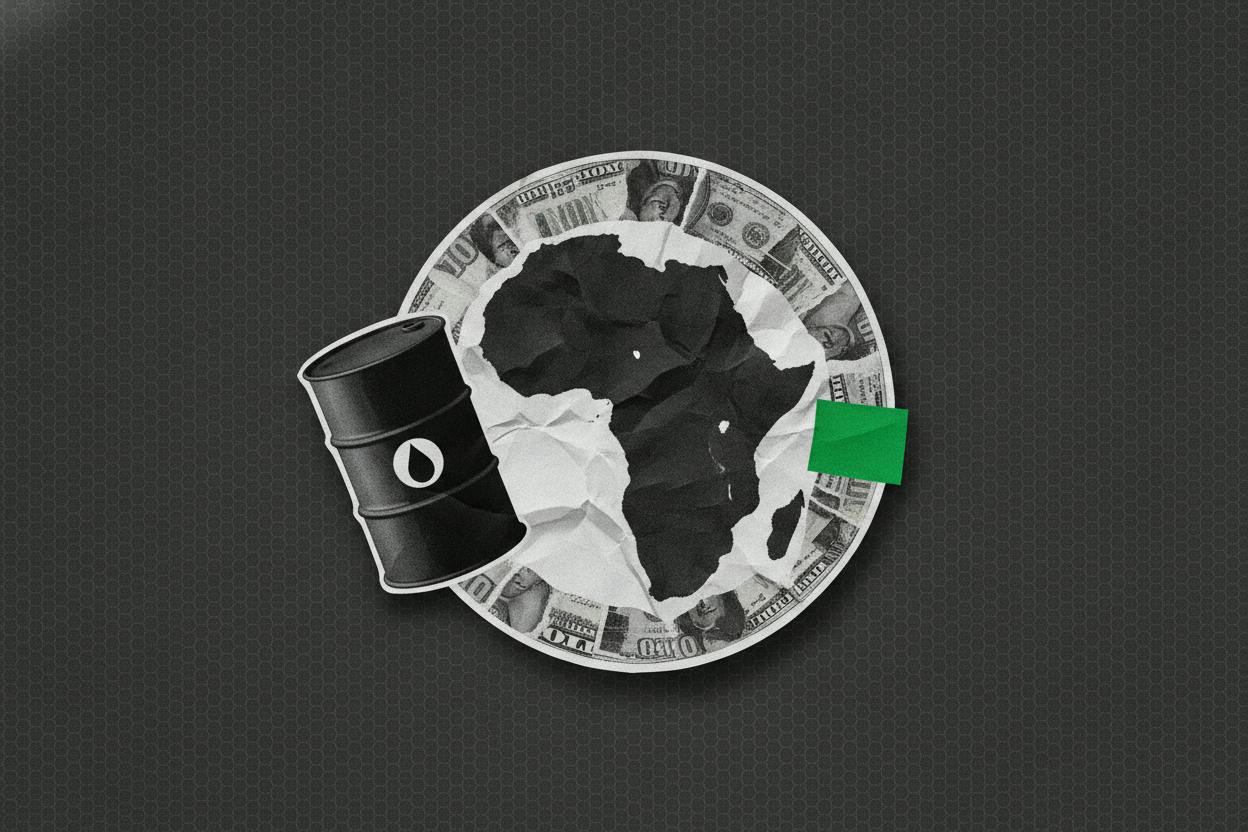
African markets are feeling the squeeze from two global forces: a stronger US dollar and higher oil prices. The combination is raising import costs, pressuring currencies, and making dollar-denominated debt more expensive to service. In response, policymakers in Rwanda and Ghana have taken steps to protect their economies, but the broader headwinds remain.
What's happening in the region
Rwanda's central bank raised its benchmark interest rate by 0.75 percentage points to 9.5%—the fourth hike this year. The move signals that the bank is still focused on controlling inflation, even as higher rates can slow economic growth. For everyday borrowers in Rwanda, this means loans become more expensive, but the central bank is betting that curbing price rises is worth that trade-off.
Ghana took a different approach. The government used its Cedi Sinking Fund to buy back 12.6 billion cedis (about $1.06 billion) of bonds that were due in February 2027. In plain terms, that means the government is retiring some of its debt early, so it won't face a huge repayment bill all at once. This is a classic move to reduce what investors call a “refinancing wall”—a period when a lot of debt comes due together.
Why the dollar and oil matter
The dollar has been strengthening as investors flock to it as a safe haven, partly because they expect US interest rates to stay higher for longer. That trend has been visible in recent market moves, as the dollar holds near a 22-month high. A stronger dollar makes it more expensive for African countries to pay back debt that is denominated in dollars, and it can also pull local currencies lower.
At the same time, Brent crude oil has been hovering near this month's high. Tensions in key shipping routes and concerns about Saudi infrastructure have kept supply worries alive. For African countries that import oil, higher prices mean bigger import bills and, eventually, higher consumer prices. That can feed inflation and force central banks to respond with rate hikes, which can slow economic activity.
What it means for investors
For investors in African markets, the key takeaway is that these external pressures are not going away quickly. Ghana's bond buyback is a positive step because it reduces the risk of a sudden repayment crunch. When that risk looks smaller, investors usually demand less extra compensation for holding the debt, which can show up as lower yields on cedi-denominated bonds around the 2027 maturity.
But the buyback does not remove the bigger external headwinds. If the dollar stays strong and oil stays expensive, frontier-market debt can still face higher risk premiums, and currencies like the cedi can remain sensitive to global “risk-off” moves. Traders have already been bracing for more near-term currency weakness in places like Ghana, Uganda, and Zambia, as the cedi nears 12 per dollar.
Broader context
These developments are part of a wider pattern across emerging and frontier markets. When the dollar strengthens, capital tends to flow out of riskier assets and into US assets, putting pressure on currencies and bond markets elsewhere. Higher oil prices add to that pressure, especially for net importers.
Rwanda's rate hike is a clear signal that it is prioritizing inflation control, even if that means slower growth. The country has been dealing with inflation that hit 19.5% recently, as reported earlier. For investors, this shows a commitment to stability, but it also means borrowing costs are rising.
Ghana's buyback is a more targeted move, aimed at smoothing out its debt repayment schedule. It's a strategy that other countries with large debt piles might consider, but it requires having the funds available, which is not always the case.
What to watch next
Investors will be watching the dollar's trajectory and oil prices closely. If the dollar continues to strengthen, African currencies could face more pressure. If oil prices keep climbing, inflation could become a bigger problem, forcing more rate hikes.
For now, the message from Rwanda and Ghana is that they are trying to manage the risks, but the global environment remains challenging. As the dollar stays strong, and with oil prices elevated, African markets are likely to remain under pressure in the near term.
For everyday investors, the key is to understand that these global forces can affect the value of their investments in African assets, whether they hold local bonds, currencies, or stocks. Diversification and a long-term perspective are always important, but especially when external conditions are this uncertain.