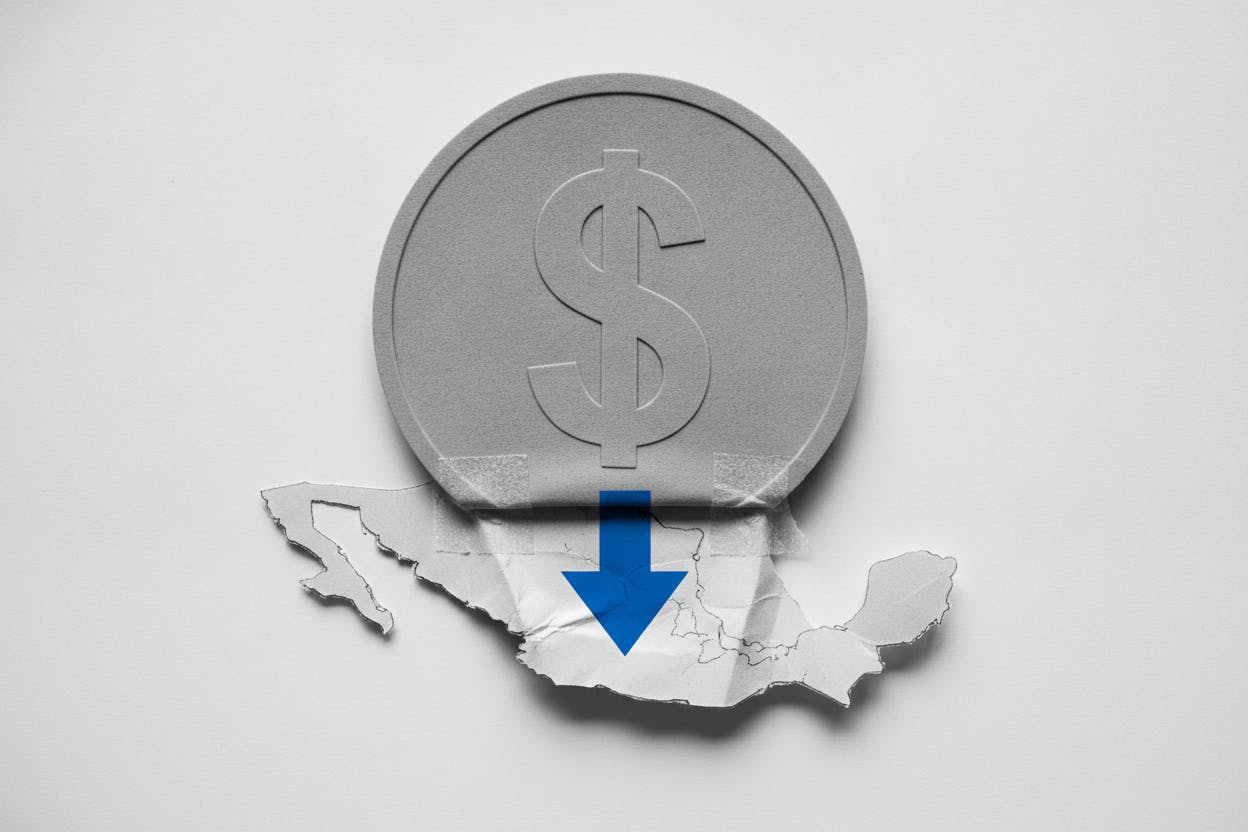
Latin American currencies took a hit this week as the US dollar surged to a 13-month high, putting developing-world currencies under pressure. The MSCI Latin American currency index dropped 0.7% to a two-week low, with Chile's peso falling nearly 1%, Brazil's real down 0.6%, and Mexico's peso slipping 0.5%. The move reflects a familiar dynamic: when the dollar strengthens, it often spells trouble for emerging-market currencies.
Why a Strong Dollar Hurts Emerging Markets
A stronger US dollar can be particularly tough on developing economies because much of global borrowing and trade is priced in dollars. When the greenback rises and investors expect the Federal Reserve to keep interest rates higher for longer, borrowing in dollars becomes more expensive. This can prompt traders to unwind so-called "carry trades"—a strategy where investors borrow in a low-interest-rate currency, like the yen or euro, to buy higher-yielding assets elsewhere, such as Latin American bonds or currencies.
As the dollar strengthens, the returns from those trades can quickly evaporate if the exchange rate moves against them. That's exactly what happened this week, as the MSCI regional index fell to its lowest level in two weeks. The broader backdrop includes a similar trend in other emerging markets, as seen in the yuan hovering near a one-month low amid a strong dollar and record trading volume.
Political Developments Add Another Layer
Politics also played a role in the currency moves. In Peru and Colombia, right-leaning candidates won recent elections, which markets initially welcomed on hopes of more business-friendly policies. However, analysts at Capital Economics cautioned that any lasting boost to currencies or investor sentiment depends on whether new governments can credibly address budget pressures, especially in Colombia, where fiscal challenges loom large.
In Mexico, the latest inflation reading came in softer than expected. That normally eases pressure on the central bank to keep interest rates high, as lower inflation reduces the need for aggressive monetary tightening. But with the dollar staying strong, policymakers across the region may still feel compelled to keep rates restrictive to steady their currencies and limit imported inflation—a risk that could weigh on economic growth.
What It Means for Investors
For everyday investors, the 0.7% drop in MSCI's regional currency index is a reminder that the dollar often sets the tone for emerging-market assets. When the greenback climbs, the stress shows up first in higher-yielding currencies like those in Latin America. The reason is straightforward: dollar funding gets pricier, and the extra return investors hope to earn from local bonds or cash can be wiped out quickly if the exchange rate moves against them.
This dynamic can spill over into local interest-rate markets. If currencies weaken, central banks may be more reluctant to cut rates—or may even tighten policy—to keep inflation expectations anchored and avoid scaring off foreign capital. For investors, that mix tends to mean more volatile returns in local-currency bonds and a tougher backdrop for regional stocks, where higher rates can weigh on valuations.
The broader context includes similar pressures in other regions. For instance, African markets are navigating an oil slide, a weaker rand, and mixed credit signals, while European ADRs slipped as energy giants dragged down the broader index. These interconnected moves highlight how a strong dollar can ripple across global markets.
Looking Ahead
Investors will be watching for further clues on the Federal Reserve's next moves, as well as any policy responses from Latin American central banks. If the dollar continues to strengthen, the pressure on regional currencies could persist, potentially leading to higher borrowing costs and slower economic growth. For now, the combination of a strong dollar, political uncertainty, and mixed inflation signals keeps Latin American markets on edge.