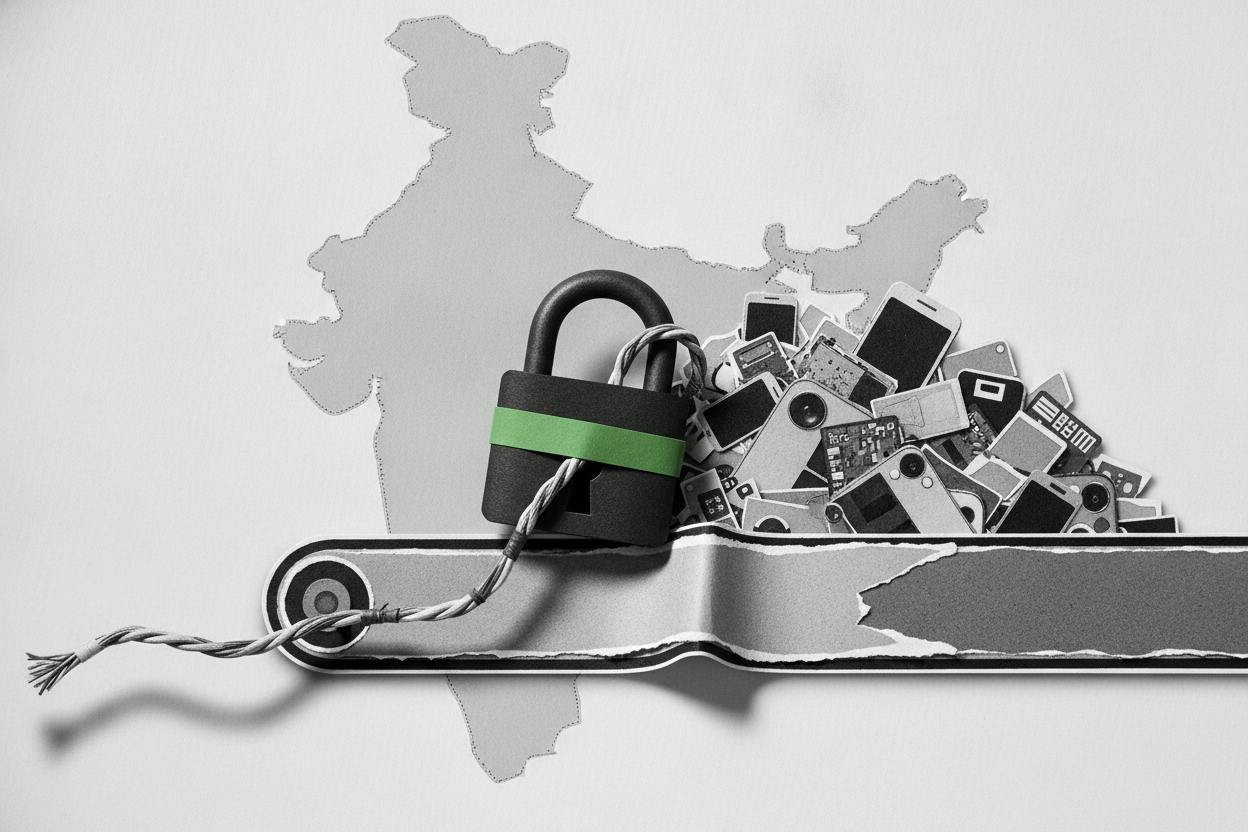
Three contract workers died of asphyxiation at a Tata Electronics factory in Hosur, India, that makes components for Apple iPhones. The deaths have triggered investigations by Tata, Apple, and the Tamil Nadu state government, and they are reviving questions about how resilient and well-controlled Apple's fast-growing India supply chain really is, according to Reuters.
The incident is the latest in a string of troubles at the plant, which has also seen fires, pollution claims, and a ransomware leak in June–July 2026. These issues have reportedly complicated Apple's efforts to ramp up production in India, a country that has become central to the tech giant's strategy to diversify its manufacturing away from China.
What happened at the Hosur plant?
The Hosur facility, operated by Tata Electronics, is part of Apple's expanding network of suppliers in India. The three workers died from asphyxiation, a condition caused by a lack of oxygen, often in enclosed spaces. The exact circumstances are still under investigation, but the deaths have prompted immediate action from multiple parties.
Tata Electronics said it is cooperating with authorities and has launched its own internal review. Apple, which has strict supplier standards, is also looking into the matter. The Tamil Nadu state government has opened a formal probe, and local officials are expected to inspect the facility.
This is not the first setback at the plant. Earlier incidents include fires, which are a known risk in electronics manufacturing due to the use of flammable chemicals and high-temperature processes. There have also been complaints about pollution, likely related to waste disposal or emissions. And in mid-2026, the plant was hit by a ransomware attack that leaked data, adding to the operational headaches.
Why India matters to Apple
Apple has been steadily shifting some of its manufacturing to India, partly to reduce its reliance on China, which has faced trade tensions with the US and periodic COVID-19 lockdowns. India also offers a large domestic market and government incentives for local production.
The country is now a key hub for iPhone assembly, with Tata Electronics playing a major role. The company operates several plants that make iPhone enclosures and other components. Apple's goal has been to increase output in India significantly, but the recent problems at Hosur could slow that progress.
For investors, the stakes are high. Apple's supply chain is a critical part of its business model, and any disruption can affect product availability and costs. The company has long prided itself on strict oversight of its suppliers, but incidents like this raise questions about whether that oversight is keeping pace with rapid expansion.
What it means for investors
For everyday investors, this story is a reminder that supply chain risks are not just a distant concern. When a key supplier faces operational problems, it can ripple through the entire production process, potentially leading to delays or higher costs.
Apple's shares are widely held, either directly or through index funds, so any negative news about its supply chain can have a small but real impact on portfolios. However, it's important to keep perspective. Apple is a massive company with multiple suppliers and a track record of managing disruptions. One plant's troubles are unlikely to derail its overall business.
Still, the incident highlights the challenges of manufacturing in emerging markets. While India offers lower labor costs and government support, it also comes with infrastructure gaps, regulatory hurdles, and, as seen here, safety and security issues. Companies that expand quickly may find it hard to maintain the same standards they have in more mature markets.
Investors should also note that this is part of a broader trend. Many tech companies are diversifying their supply chains, and that process is not always smooth. The AI supply chain worries seen in South Korea, for example, show that such concerns are not unique to Apple.
What to watch next
The immediate focus will be on the results of the investigations. If they find systemic problems at the Hosur plant, Apple may need to take corrective actions, which could include temporary shutdowns or changes in management. That could delay production schedules.
Investors will also be watching to see if Apple addresses the ransomware leak, which could have implications for data security and intellectual property. The company has not commented publicly on the extent of the damage.
Longer term, the question is whether Apple can maintain its growth in India while ensuring worker safety and environmental compliance. The company has made commitments to improve conditions, but this incident shows that execution is not always perfect.
For those interested in the broader picture, Apple's move into India is part of a larger shift in global manufacturing. As companies like JBS and others adjust to changing supply conditions, the lessons from Hosur could resonate across industries.
In the meantime, investors should keep an eye on any official statements from Apple or Tata. The situation is fluid, and more details are likely to emerge. As always, it's wise to avoid making hasty decisions based on a single news event. Instead, consider how this fits into the broader picture of Apple's business and the global supply chain.