Tesla has quietly removed its Solar Roof from its website, a move that signals the company is stepping back from its ambitious solar tile product. According to a report from Electrek, a tech and EV news site, Tesla redirected its Solar Roof page to its standard solar panels page and removed the option from the site's menu. The report cites two people familiar with the program, suggesting a deliberate shift in strategy.
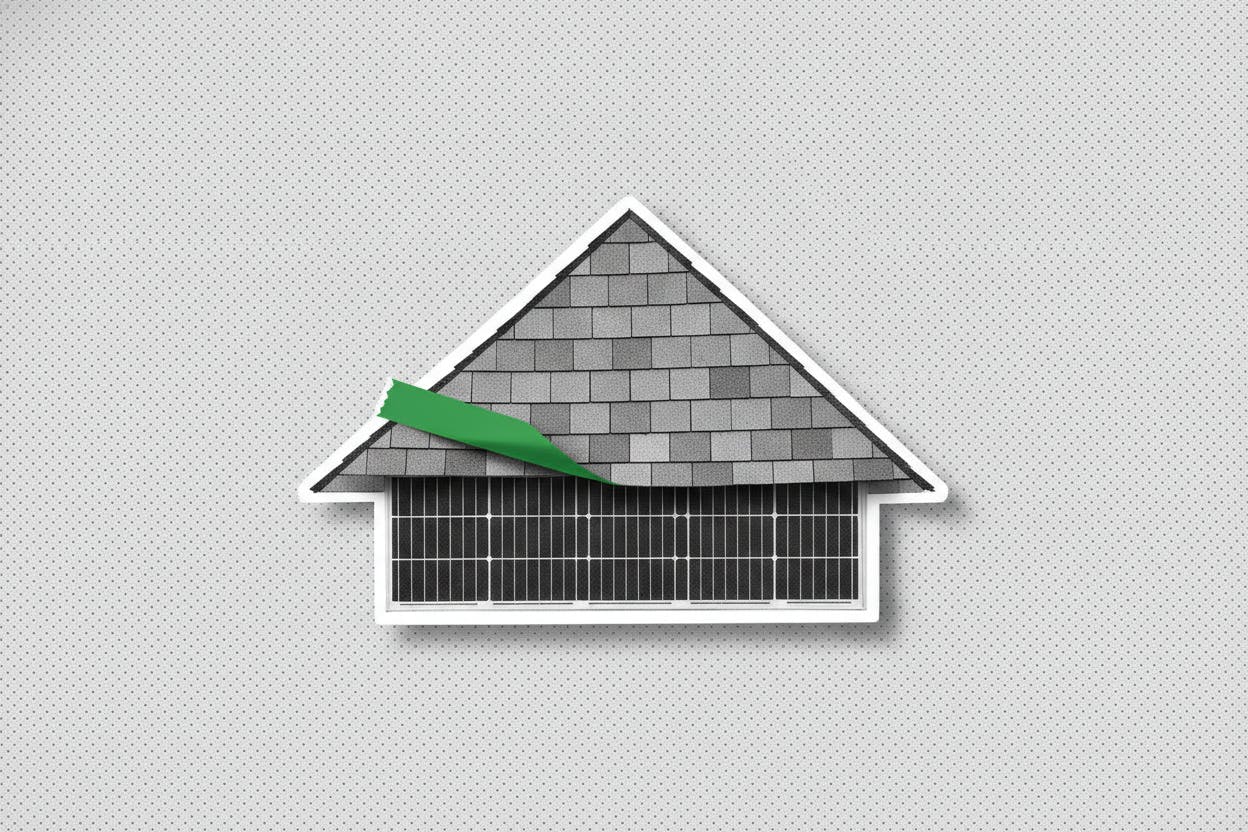
The Solar Roof was once a centerpiece of Tesla's clean energy vision. Unlike conventional solar panels that are mounted on top of an existing roof, the Solar Roof is made of glass tiles that replace the roof itself, blending solar generation with the look of a traditional roof. Elon Musk, Tesla's CEO, had framed it as a mass-market product that could make solar power more aesthetically appealing and drive widespread adoption.
Why the retreat?
The decision to drop the Solar Roof from the website comes after installations consistently fell short of Musk's target of 1,000 roofs per week. That goal was set years ago, but the company never came close to hitting it. Solar roofs are complex to install, requiring specialized labor and significant time on site, which makes scaling difficult. In contrast, conventional solar panels are simpler, cheaper, and faster to install, making them a more practical focus for Tesla's energy division.
Electrek's report suggests that Tesla is now concentrating on its standard solar panels, which have a more established market and a simpler installation process. The company has not made an official announcement about the change, but the website update is a clear signal of where its priorities lie.
What this means for Tesla's energy business
Tesla's energy segment, which includes solar and battery storage, has been a growing part of the company's business, but it remains small compared to its automotive operations. The Solar Roof was a high-profile product, but its technical challenges and high cost made it a niche offering. By stepping back, Tesla is likely aiming to streamline its solar operations and focus on products that can generate steady revenue without the logistical headaches.
For investors, this move is a reminder that Tesla's ambitions sometimes outpace its execution. The company has a history of announcing bold products—like the Cybertruck and the Semi—that take years to reach meaningful production. The Solar Roof followed a similar pattern, with Musk's promises of rapid adoption never materializing. The quiet removal from the website suggests that Tesla is willing to cut its losses on a product that wasn't working, a pragmatic approach that could be seen as positive for the company's focus.
However, it also raises questions about Tesla's broader energy strategy. The company has positioned itself as a leader in renewable energy, and solar is a key part of that narrative. By de-emphasizing the Solar Roof, Tesla may be signaling that it sees more value in selling conventional panels and battery storage, which are more straightforward and profitable.
What investors should watch
For everyday investors, this news is a small but telling development. Tesla's stock is primarily driven by its electric vehicle business, but the energy division is a growing contributor. The company's recent focus on AI and robotics, including its Cybercab robotaxi plans, has captured much of the market's attention. The Solar Roof's quiet exit is unlikely to move the stock much, but it does highlight the gap between Tesla's grand visions and its operational reality.
Investors should also consider the broader context of the solar industry. Solar panel prices have fallen sharply over the past decade, making conventional panels more affordable than ever. Tesla's decision to focus on panels aligns with this trend, but it also means competing with established players like SunPower and local installers. Tesla's brand and its integration with battery storage, such as the Powerwall, could give it an edge, but the solar market is highly competitive.
Another angle to watch is Tesla's energy storage business, which has been growing rapidly. The company's Megapack and Powerwall products are used in homes and utility-scale projects, and they are a more reliable revenue stream than solar roofs. If Tesla can pair its conventional solar panels with its storage products, it could build a more cohesive energy ecosystem.
The bigger picture
Tesla's retreat from the Solar Roof is not a major financial event, but it is a strategic pivot that reflects the company's evolving priorities. As Tesla invests heavily in AI, robotics, and its electric truck fleet, it is also streamlining its energy business to focus on what works. For investors, the lesson is that Tesla's product roadmap is fluid, and not every ambitious idea will make it to mass market.
The Solar Roof's removal from the website is a quiet acknowledgment that some goals are easier to set than to achieve. For now, Tesla is betting on conventional solar panels to carry its energy division, and that may be a more realistic path to profitability.