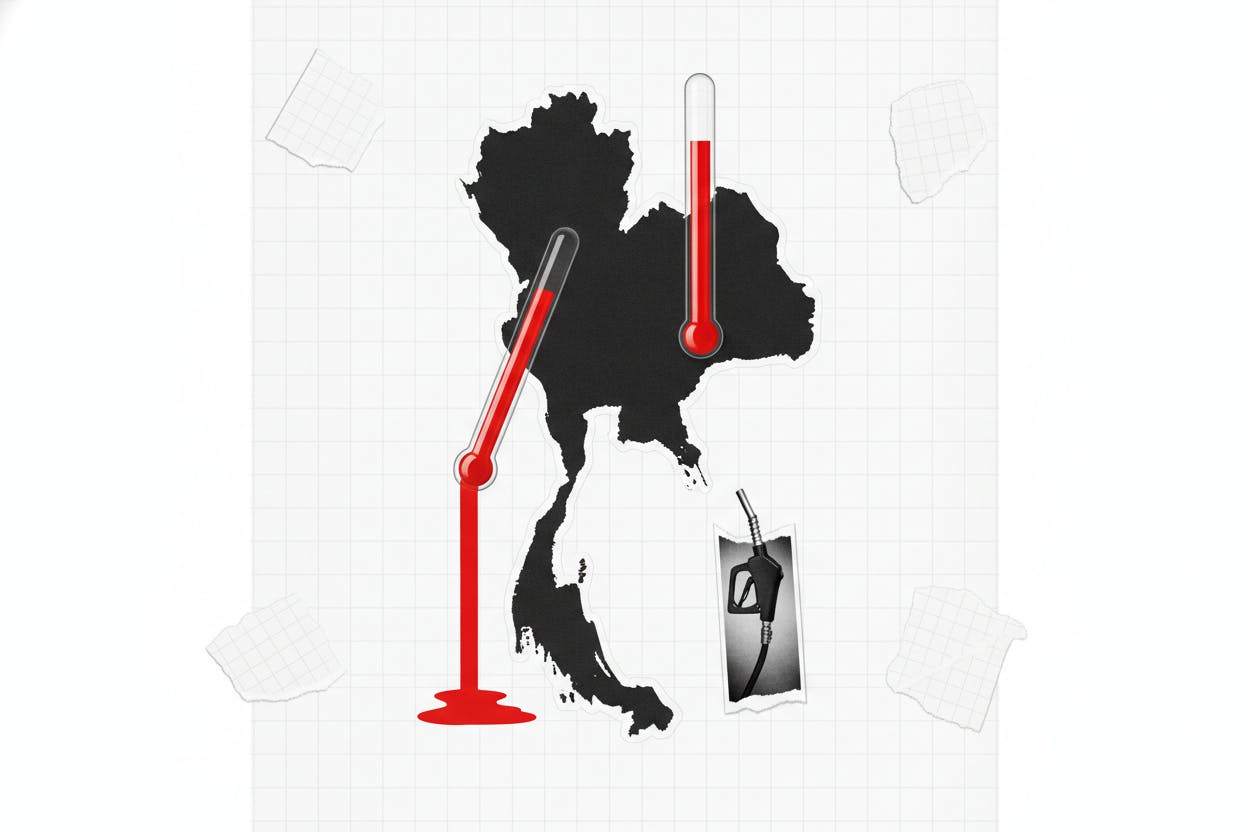
Thailand's inflation data for June delivered a mixed picture that underscores the challenge facing the central bank. Headline consumer price inflation slowed to 2.42% year-over-year, down from 2.79% in May and below economists' expectations, as energy costs eased. But core inflation, which strips out volatile food and energy prices, accelerated to 1.23% — its highest level in six years — signaling that underlying price pressures remain stubbornly elevated.
What drove the split?
The Commerce Ministry reported the figures on Monday. The headline decline was largely due to lower fuel costs, which pulled the overall index lower. However, core inflation — a measure that economists and central bankers watch closely because it reflects domestic demand conditions — rose from 0.92% in May and beat consensus forecasts. This suggests that spending on services, wages, and everyday goods is still pushing prices up, even as global energy markets cool.
The divergence matters because the Bank of Thailand (BoT) has held its key policy rate at 1% since its last cut. Headline inflation can swing with oil prices, which are influenced by global factors like geopolitics and supply disruptions. Core inflation, by contrast, tends to move with local economic activity — wages, rents, and consumer demand. When core runs hotter than expected, it raises the odds that the central bank will keep policy tight for longer, even if the headline number looks comfortable.
What it means for investors
For bond markets, the core inflation jump is the more significant signal. Traders often treat core as a better guide to where inflation is heading over the medium term. If that underlying trend keeps firming, expectations for near-term Thai interest rates can hold up, which usually matters most for shorter-maturity Thai government bonds. The cooler headline print may take some pressure off, but the core spike puts the BoT's 1% policy rate back in focus.
The Thai baht could also become more sensitive to domestic inflation data and central bank messaging than to one-off moves in global oil. In other words, the market's focus shifts from 'energy relief' to 'how long does the central bank stay cautious?'
Adding to the uncertainty, the energy outlook can flip quickly on geopolitics. Recent developments, such as oil prices steadying as tankers clear the Strait of Hormuz, show how quickly supply risks can change. Meanwhile, officials still expect inflation to remain positive in coming months and within their full-year range.
Broader regional context
Thailand's inflation dynamics are playing out against a backdrop of varying price pressures across emerging markets. In Turkey, for example, June inflation eased to 32.11%, opening the door for a potential policy shift. In Tanzania, the central bank recently hiked its key rate to 6.25% as inflation hit 4.2%, its highest in over a year. These examples highlight how central banks across the globe are grappling with sticky inflation, even as headline numbers moderate.
What to watch next
Investors will be watching the BoT's next policy meeting for any shift in language. If core inflation continues to climb, the central bank may signal that rate cuts are off the table for now, or even hint at a hike. The next inflation release will be crucial: if core stays above 1%, the pressure on the BoT to act will only grow.
For everyday investors, the key takeaway is that Thailand's inflation story is no longer just about energy. Domestic demand is adding to price pressures, and that could keep Thai interest rates higher for longer than many expected. That has implications for bond yields, the baht, and the overall investment climate in Southeast Asia's second-largest economy.