Oil prices held steady on Tuesday, with Brent crude hovering near $71.87 a barrel, as more tankers successfully navigated the Strait of Hormuz, easing fears of an immediate supply disruption. The market's mood shifted from panic to cautious calm, reflected in a key change in the futures curve: the market flipped from backwardation to contango.
What Happened
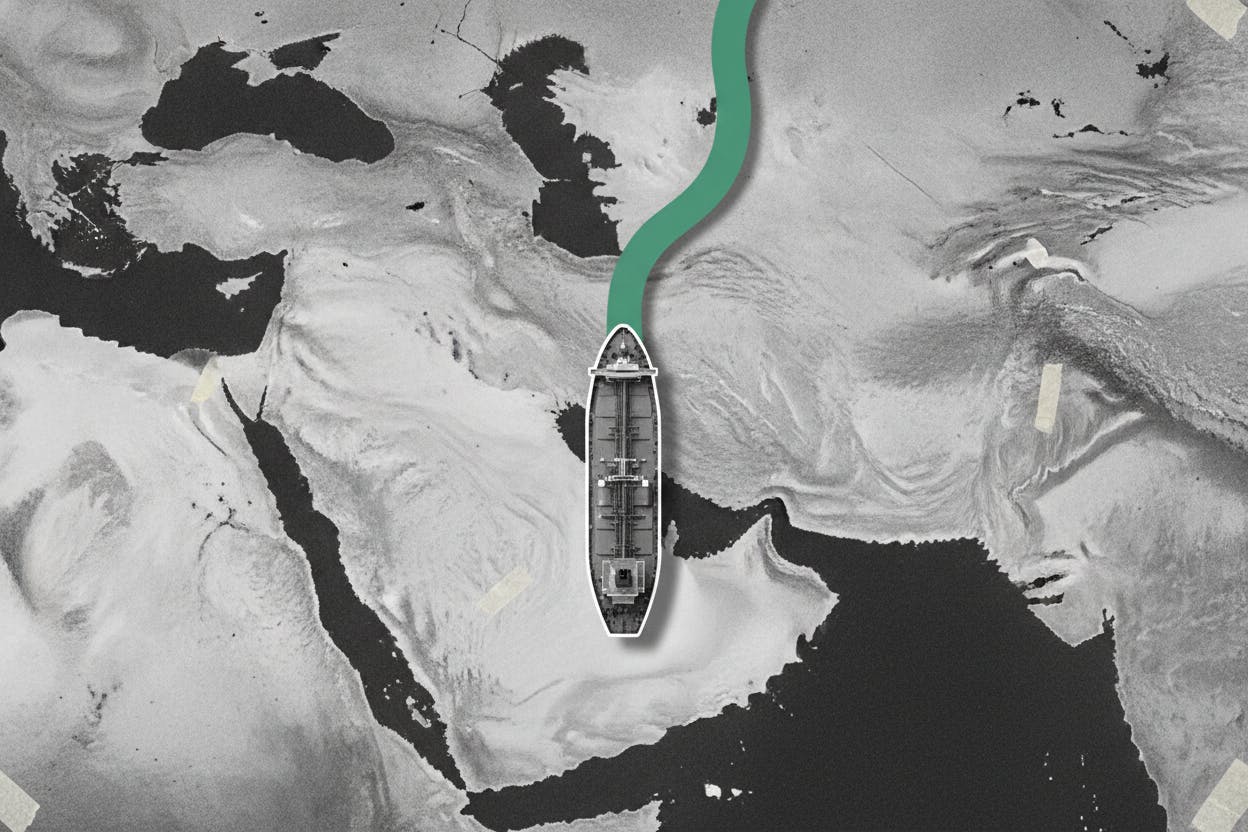
Brent crude, the global benchmark for oil prices, traded in a narrow range around $71.87 as traders digested signs that Gulf shipments are moving more freely again. Reuters reported that at least five supertankers carrying roughly 10 million barrels of Saudi crude exited the Strait of Hormuz, a critical chokepoint for global oil supplies. Some producers have also been lifting output, adding to the sense that near-term tightness is fading.
The shift in the futures market from backwardation to contango is a technical but important signal. In backwardation, near-term futures contracts trade at a premium to later-dated ones, indicating tight supply and high demand. In contango, the opposite is true: later-dated contracts are more expensive, suggesting that traders expect supply to be ample or even oversupplied in the future.
Why It Matters
The Strait of Hormuz is a narrow waterway between Iran and Oman through which about 20% of the world's oil passes. Any disruption there can send prices soaring. Recent tensions between the US and Iran had raised fears of a blockade or attacks on tankers, pushing Brent above $75 earlier this month. But the successful passage of these supertankers suggests that, for now, the immediate risk has receded.
The move to contango is a clear signal that the market no longer expects an acute shortage. This is a relief for import-dependent economies, especially in Asia, where countries like India and China rely heavily on Middle Eastern crude. A contango market also encourages storage: traders can buy oil now, store it, and sell it later at a higher price, which can help smooth out supply gluts.
However, the situation remains unpredictable. The US-Iran standoff is far from resolved, and any new incident could quickly reverse the current calm. Traders are watching for further diplomatic developments, such as the talks in Doha that recently helped ease tensions, as well as any signs of renewed hostilities.
What It Means for Investors
For everyday investors, the stabilization in oil prices is a double-edged sword. Lower oil prices can reduce costs for companies that rely on transportation and raw materials, potentially boosting profits in sectors like airlines, shipping, and manufacturing. They also help keep inflation in check, which is good news for bondholders and for central banks trying to decide on interest rate policy.
On the other hand, energy stocks and funds that track oil prices may see less upside in the near term. The shift to contango suggests that the easy gains from a supply scare are over, and that prices could drift lower if demand weakens or if more supply comes online. Investors in oil-focused exchange-traded funds (ETFs) should be aware that contango can erode returns over time due to the cost of rolling futures contracts.
The broader market context also matters. Recent data showed that Italy's services sector returned to growth as cost pressures eased, while Singapore's private sector PMI hit 57.4 in June, indicating strong expansion. These signs of economic resilience support oil demand, but they also keep the focus on central bank policy. If growth remains strong, the Federal Reserve may keep rates higher for longer, which could strengthen the US dollar and put downward pressure on dollar-denominated commodities like oil.
Meanwhile, other commodities are also feeling the effects of easing supply fears. Aluminum prices hit a four-month low as Middle East supply returned, echoing the trend in oil. And the Indian rupee, which is sensitive to oil prices, gained briefly as Brent dipped below $71, though traders see downside risk if tensions flare again.
Looking Ahead
Oil traders will be watching several key factors in the coming days. First, any new developments in US-Iran relations, including potential talks or sanctions, could move prices sharply. Second, weekly US inventory data will provide a snapshot of domestic supply and demand. Third, the broader economic calendar, including US jobs data, will influence the dollar and risk appetite.
For now, the market is in a wait-and-see mode. The immediate supply crisis has passed, but the underlying geopolitical risks remain. Investors should brace for continued volatility, but the shift to contango suggests that the worst of the supply scare may be behind us.