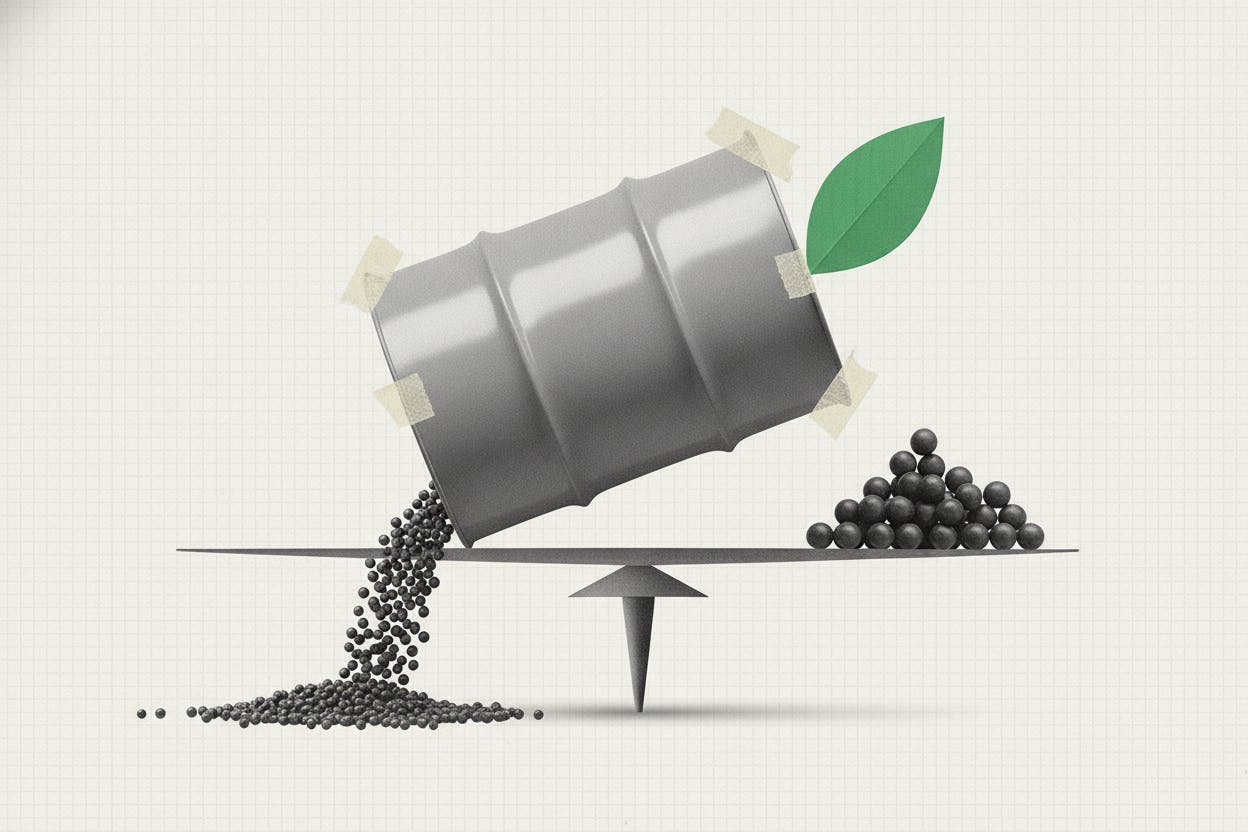
Thailand's largest petrochemical producer, PTT Global Chemical, is using a strong second quarter as a springboard for a long-term makeover. The company said it wants to reduce its reliance on commodity chemicals and build up more specialty and environmentally friendly businesses by 2030.
The announcement came alongside second-quarter results that showed a sharp improvement from the first three months of the year. Net profit rose to 12.2 billion baht (about $340 million) from 3.2 billion baht in the first quarter. Adjusted earnings before interest, taxes, depreciation, and amortization (EBITDA) — a common measure of operating profitability — climbed to 26.9 billion baht from 14.9 billion baht, according to The Nation.
That rebound gives management a stronger platform to pursue its 2026–2030 strategy, which centers on shifting the company's product mix from an 80:20 commodity-to-specialty ratio to 70:30. In plain terms, the company wants to make more of its money from higher-margin, less cyclical products, and less from basic chemicals whose prices swing wildly with global supply and demand.
Why the shift matters
Commodity chemicals — things like ethylene, propylene, and other basic building blocks for plastics and industrial materials — are highly sensitive to the global economy. When growth is strong, demand and prices rise. When it slows, margins can compress quickly. That makes earnings for petrochemical firms like PTT Global Chemical notoriously volatile.
Specialty chemicals, by contrast, are tailored to specific uses — such as advanced materials, coatings, or performance additives — and often command higher prices and more stable demand. Greener businesses, including bio-based or recycled products, are also seen as growth areas as governments and consumers push for lower carbon footprints.
The company's goal is not unique. Many large chemical producers around the world have been trying to tilt their portfolios toward specialties and sustainability to smooth out earnings and appeal to investors who value predictability. But the shift is not quick or cheap. It typically requires years of research, new plants, or acquisitions, and the payoff can take time.
What it means for investors
For everyday investors, the key takeaway is that PTT Global Chemical is trying to become a less cyclical, more resilient business. If successful, that could mean steadier profits and potentially a higher valuation over time, as markets often reward companies with more predictable earnings.
However, the plan is a long-term one, and the near-term picture still depends heavily on the global economy and oil prices. Petrochemical margins are closely tied to the cost of feedstocks like naphtha, which in turn tracks crude oil. A slowdown in major markets like China or a drop in oil prices could still hit results before the specialty shift pays off.
The strong second quarter is a positive sign, but investors should note that one quarter does not make a trend. The company's ability to execute its 2030 strategy — and to manage the transition without hurting current profitability — will be the real test.
For those watching the broader energy and materials sector, PTT Global Chemical's move is part of a wider pattern. Other firms are also seeking growth in new energy markets, while some are benefiting from higher commodity prices. The contrast highlights the different paths companies are taking to manage risk and find growth.
Investors should also keep an eye on how the company funds its transition. Shifting to specialty and green chemicals often requires significant capital spending, which could weigh on cash flow and dividends in the short term. Management has not yet detailed the full investment plan, but that will likely be a focus in upcoming earnings calls.
In the meantime, the company's improved quarterly performance provides some breathing room. The jump in profit and EBITDA suggests that the cyclical downturn that hit the petrochemical industry may be easing, at least for now. If that continues, it could give PTT Global Chemical the financial firepower to accelerate its transformation.
For investors, the story is one of a company trying to reinvent itself. The outcome will depend on execution, market conditions, and the pace of global demand for greener products. As always, diversification and a long-term view remain sensible approaches when considering exposure to cyclical industries.