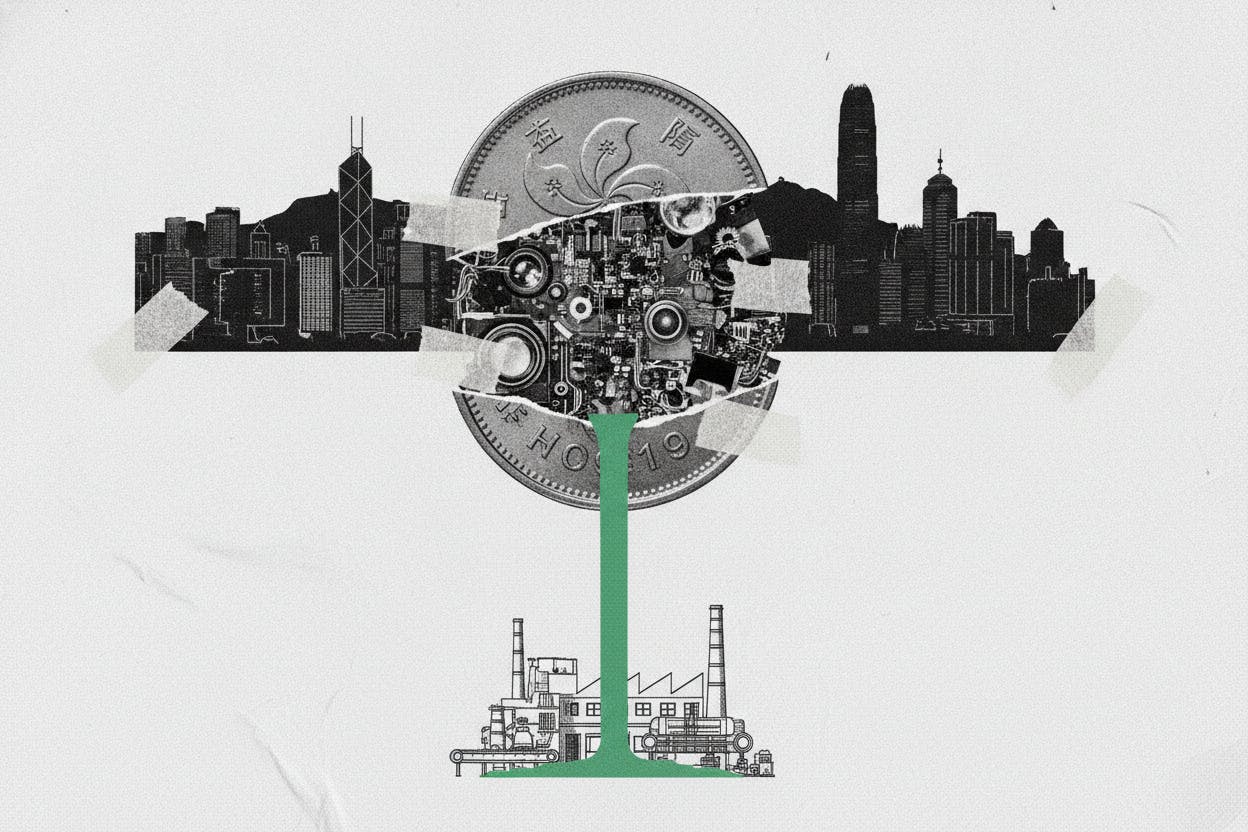
Toshiba has pushed back on a Bloomberg report that it is locked in a multibillion-dollar bidding war with Seagate to acquire TDK's hard-drive component business. In a statement to MT Newswires, the company said the report was not based on anything it had released and did not match the understanding of Toshiba or Japan Industrial Partners (JIP), the private equity firm that owns Toshiba.
The denial comes a day after Bloomberg, citing people familiar with the matter, reported that TDK is exploring a sale of its hard-drive unit for as much as several billion dollars, with Seagate and Toshiba named as interested parties. Toshiba acknowledged that it buys hard-disk-drive (HDD) heads from TDK, but said there have been no three-party discussions with TDK and Seagate.
What's at stake in the hard-drive supply chain
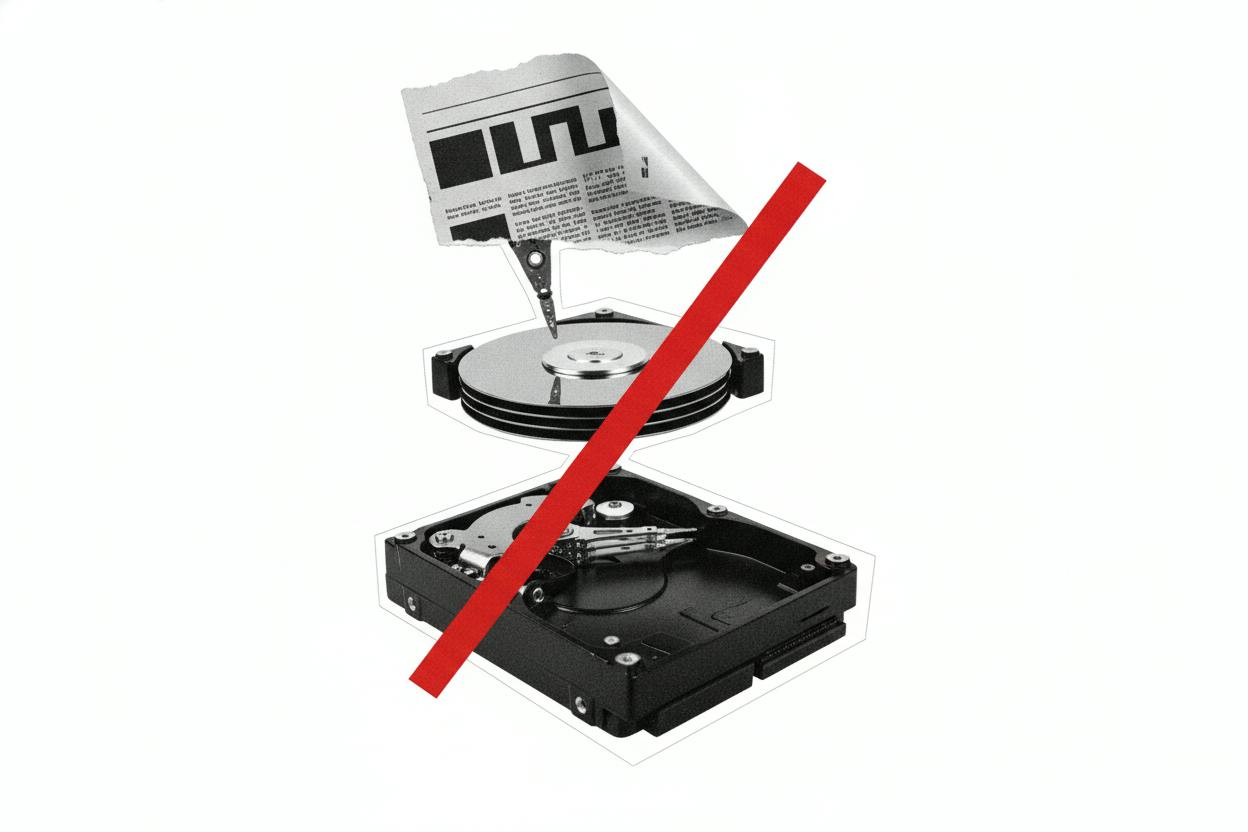
To understand why this matters, it helps to know what HDD heads are. These tiny components read and write data on the spinning platters inside a hard drive. They are a critical, must-have part of any HDD, and only a handful of suppliers make them. TDK is one of the major players in this niche market.
If an HDD maker like Toshiba or Seagate owned the supplier, it could prioritize its own demand for those heads, especially when supply is tight. It could also keep more of the component's profit in-house, rather than paying a markup to an outside vendor. Rivals would then be negotiating from a weaker position, even if supply continued to flow.
That's why the market's focus isn't just on whether this specific auction story holds up. The underlying pressure point is control over a critical input. Any real path to TDK's head output moving inside either Toshiba or Seagate would likely show up in their gross margins and competitive positioning over time.
Investors face competing signals
For investors, the situation is a classic case of conflicting information. On one hand, there's takeover chatter around a valuable supplier, which could reshape the competitive landscape in the HDD industry. On the other, there's a categorical denial from one of the supposed bidders.
Toshiba's denial doesn't necessarily mean a deal isn't possible. Companies often decline to comment on rumors, and a denial can sometimes be a way to manage expectations while talks are still preliminary. But the specificity of the denial—saying no three-party talks occurred—suggests that, at least from Toshiba's perspective, there is no active negotiation involving all three parties.
It's also worth noting that Toshiba is now owned by JIP, a private equity firm that took the company private in a deal completed last year. Private equity owners often look for ways to streamline operations and maximize value, which could include divesting non-core assets. But they also tend to be cautious about large, transformative acquisitions unless they see a clear strategic fit.
What it means for everyday investors
For most individual investors, this story is unlikely to have a direct impact on their portfolios unless they hold shares in Toshiba, Seagate, or TDK. But it's a reminder of how supply-chain dynamics can affect the profitability of tech companies.
When a critical component is controlled by a competitor, it can create pricing pressure and uncertainty. That's why investors often watch for vertical integration moves—when a company buys its supplier or distributor. Such deals can be a double-edged sword: they can reduce costs and secure supply, but they can also be expensive and complex to execute.
In the broader tech sector, M&A activity has been a theme this year, with companies looking to bolster their positions in areas like artificial intelligence and data storage. For example, recent multibillion-dollar AI deals have driven tech stocks higher. A deal for TDK's HDD unit would be another example of consolidation in a mature but still essential market.
Investors should also keep an eye on how this story develops. If TDK confirms it is exploring a sale, or if other bidders emerge, the picture could change quickly. For now, the market is left with two competing signals: the allure of a strategic acquisition and a firm denial from one of the supposed suitors.
As always, it's wise to treat unconfirmed reports with caution. While Bloomberg's reporting is generally reliable, the fact that Toshiba has publicly disputed it means the situation is far from settled. Investors should wait for more concrete information before making any decisions based on this news.
In the meantime, the HDD industry continues to face long-term challenges from solid-state drives (SSDs), which are faster and increasingly cheaper. That backdrop makes any potential deal for TDK's HDD unit more about securing supply and margin than about betting on a growth market. For Toshiba and Seagate, the strategic logic would be defensive rather than offensive.
For now, the story is one to watch, not to act on. The denial may be the end of it, or it may be just the beginning of a longer negotiation. Either way, investors should stay informed and avoid jumping to conclusions based on a single report.