TotalEnergies has signaled that its second-quarter profits will rise, driven by stronger crude prices and refining margins linked to the ongoing conflict involving Iran. But the French energy giant also cautioned that earnings from its liquefied natural gas (LNG) trading business will take a significant hit as European gas markets soften.
What the Company Said
In a brief trading update, TotalEnergies said that higher energy prices tied to the Iran war are lifting its upstream (oil and gas production) and refining operations. Upstream profits benefit directly from higher crude prices, while refining margins—the difference between the cost of crude and the selling price of refined products like gasoline and diesel—have also improved.
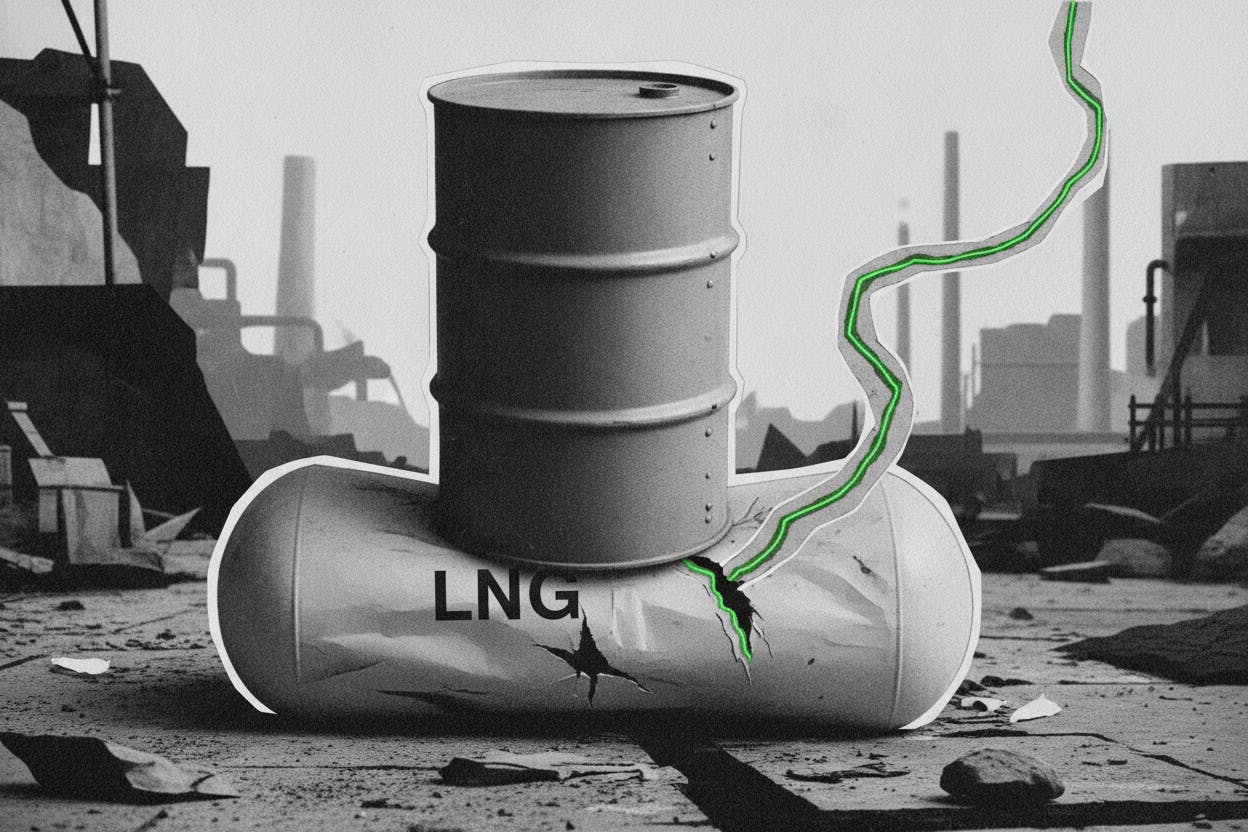
However, the company flagged that LNG trading earnings will be “sharply” lower in what it described as a flat-to-weaker European gas market. This reflects a broader trend: after a period of high prices and volatility following Russia’s invasion of Ukraine, European gas markets have stabilized and prices have eased, reducing trading opportunities and margins.
Context: Iran War and Oil Prices
The Iran war has injected fresh uncertainty into global oil markets, particularly around the Strait of Hormuz, a critical chokepoint through which about 20% of the world’s oil passes. Any disruption there could send crude prices sharply higher. For context, see our earlier report: Oil Prices Dip as Traders Weigh Real Risk of Strait of Hormuz Disruption.
While TotalEnergies benefits from higher crude prices in its upstream and refining segments, the LNG division is more exposed to European gas dynamics, which are currently subdued. This split performance is typical for integrated energy companies that operate across the entire oil and gas value chain.
What It Means for Investors
For everyday investors, this update highlights the importance of understanding how different parts of an energy company can perform differently under the same market conditions. TotalEnergies’ overall profits may rise, but the LNG weakness is a reminder that not all energy investments move in lockstep with oil prices.
Investors should watch for the full Q2 earnings report, which will provide more detail on the magnitude of the LNG decline and whether it is a one-off or a sign of a longer-term trend. The company’s ability to balance its portfolio across oil, gas, and renewables will be key to its resilience.
For a deeper look at what analysts expect, see our preview: TotalEnergies Q2 Preview: Refining Margins Rise, LNG Trading Slumps.
Broader Market Implications
The news comes amid a mixed backdrop for global markets. While geopolitical tensions have lifted oil prices, other asset classes have shown weakness. For example, Asian tech stocks recently triggered a trading halt in South Korea, as reported in Asia Chip Selloff Triggers KOSPI Trading Halt as TSMC Earnings Loom. Meanwhile, Bitcoin has held above $64,000 but trading volumes are slipping, as noted in Bitcoin Holds Above $64,000 as Ethereum Rises, but Trading Volume Slips.
Energy stocks like TotalEnergies often act as a hedge against geopolitical risk, but the LNG warning shows that even within the sector, there are nuances. Investors should consider how their portfolios are diversified across different energy sub-sectors and geographies.
Looking Ahead
TotalEnergies is expected to release its full Q2 results in the coming weeks. Key numbers to watch will include the exact drop in LNG trading earnings, the impact of any production disruptions from the Iran conflict, and the company’s outlook for the rest of the year. The European gas market will also be in focus, especially as storage levels remain high and demand from industry and heating remains tepid.
For now, the message from TotalEnergies is clear: higher oil prices are a tailwind, but the LNG business is facing headwinds that could weigh on overall profitability. Investors should stay tuned for the full picture.