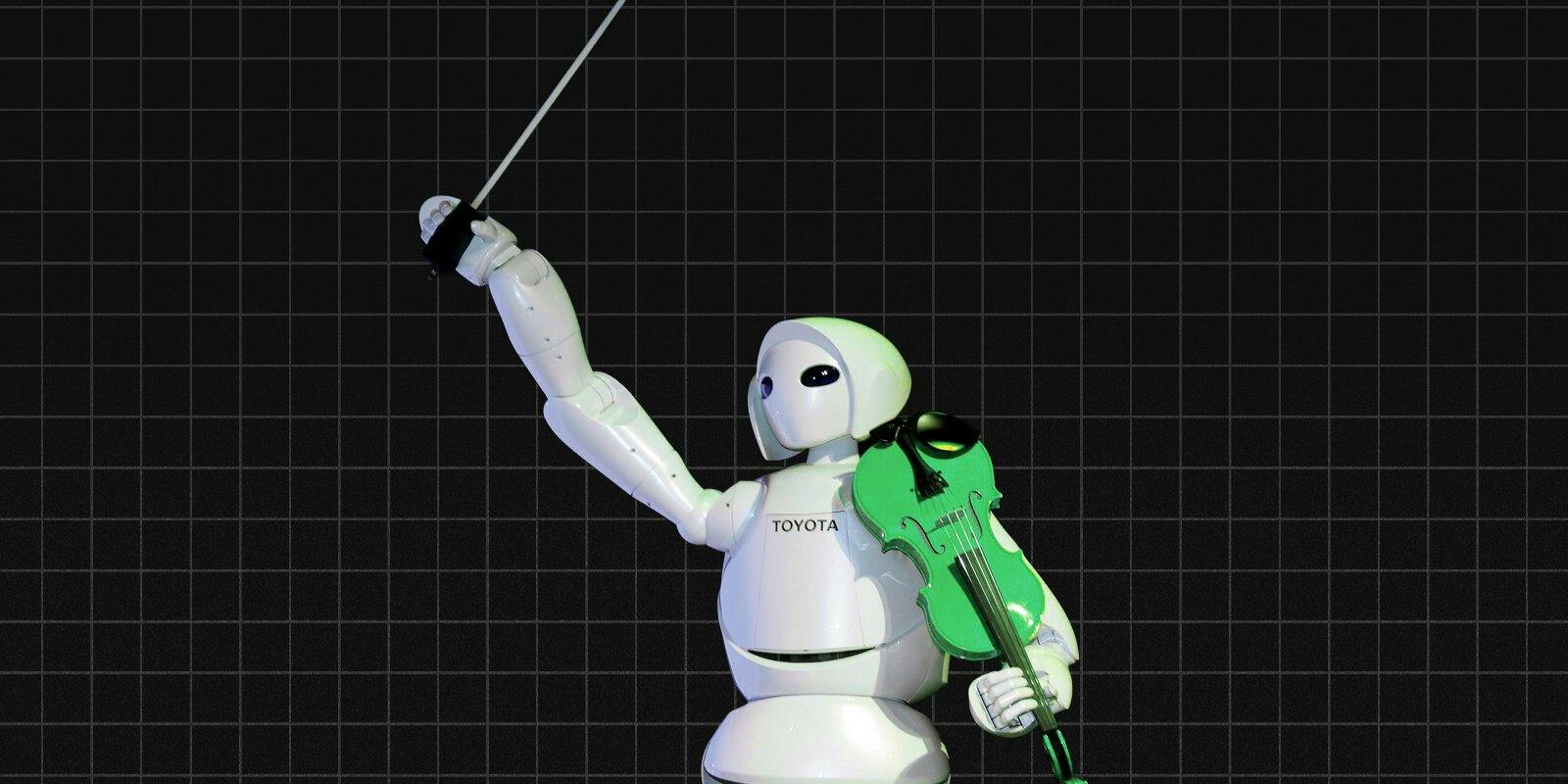
Toyota, the world's largest automaker, is making a bold bet on humanoid robots. The company plans to deploy 400,000 robots across its factories and suppliers, with an expected annual spend of $6.4 billion on automation starting in 2028. That's a significant commitment from a company that currently produces around 10 million vehicles a year.
The automaker has already assembled a dedicated robotics team, put robots to work in its North American plants, and helped develop the AI "brain" behind Hyundai-owned Boston Dynamics' humanoid robot. This isn't a side experiment—it's a strategic pivot that could reshape how cars are built and open up a new revenue stream.
Why Toyota is going all-in on robots
Japan was once the undisputed leader in industrial robotics, but China has stolen the spotlight with flashy humanoids that can dance and perform martial arts. More importantly, Chinese carmakers have overtaken Japanese brands in Europe, grabbing 12.7% of the market in September versus Japan's 11.9%. Five years ago, Chinese brands had barely 1% of that market. With Chinese rivals building cheaper models faster, Toyota needs smarter factories just to keep pace.
There's also a demographic driver. Japan is facing a severe labor shortage, with a shrinking and aging workforce. Robots are increasingly seen as reinforcements rather than replacements—filling gaps where human workers are simply not available. This makes automation not just a cost-saving measure but a necessity for maintaining production capacity.
And there's a potential upside beyond the factory floor. Humanoid robots could eventually cost more than cars, giving Toyota a shiny new growth avenue. If the technology matures, the market for humanoids could dwarf the automotive market, and Toyota wants to be a leader in that space.
What it means for investors
For investors, Toyota's robot push is a double-edged sword. On one hand, it's a defensive move to protect its core auto business against Chinese competition. On the other, it's an offensive bet on a potentially massive new market. But Toyota has overpromised before—hydrogen cars and next-gen batteries haven't lived up to the hype. And even 200,000 humanoids would be a small fleet compared to the 10 million vehicles it stamps out each year. So investors will want the car business firing on all cylinders before getting too excited about the robot story.
The broader robotics supply chain could benefit regardless of who wins the humanoid race. Japanese component makers are well-positioned to cash in. Harmonic Drive, for example, makes the precision gears that keep robot limbs moving smoothly, and Nabtesco produces the reducers that govern joint movement. Both are key suppliers to the robotics industry. Meanwhile, Fanuc and Yaskawa are teaming up with other Japanese firms to develop AI for robots using Nvidia's technology.
But those stocks aren't under-the-radar anymore. Their valuations have shot sky-high, reflecting the market's enthusiasm for anything robot-related. The humanoid market could take years to grow into those valuations, so investors should be cautious about chasing the hype.
What to watch next
Toyota's robot ambitions are part of a broader trend. Tesla's Optimus robot has faced delays, and other players are entering the space. Humanoid robot startup Noetix has filed confidentially for a Hong Kong IPO, signaling investor appetite for the sector. Nvidia and Agile Robots are working to standardize humanoid robot research, which could accelerate development.
For everyday investors, the key takeaway is that robotics is becoming a mainstream industrial theme. But as with any emerging technology, there's a gap between promise and delivery. Toyota's $6.4 billion annual spend is a clear signal of intent, but it will take years to see if it pays off. Keep an eye on how the company executes on its automation plans and whether the humanoid market actually materializes as expected.
In the meantime, the robotics supply chain—companies like Harmonic Drive, Nabtesco, Fanuc, and Yaskawa—could see continued demand, but their valuations already reflect a lot of optimism. As always, diversification and a long-term perspective are your best allies.