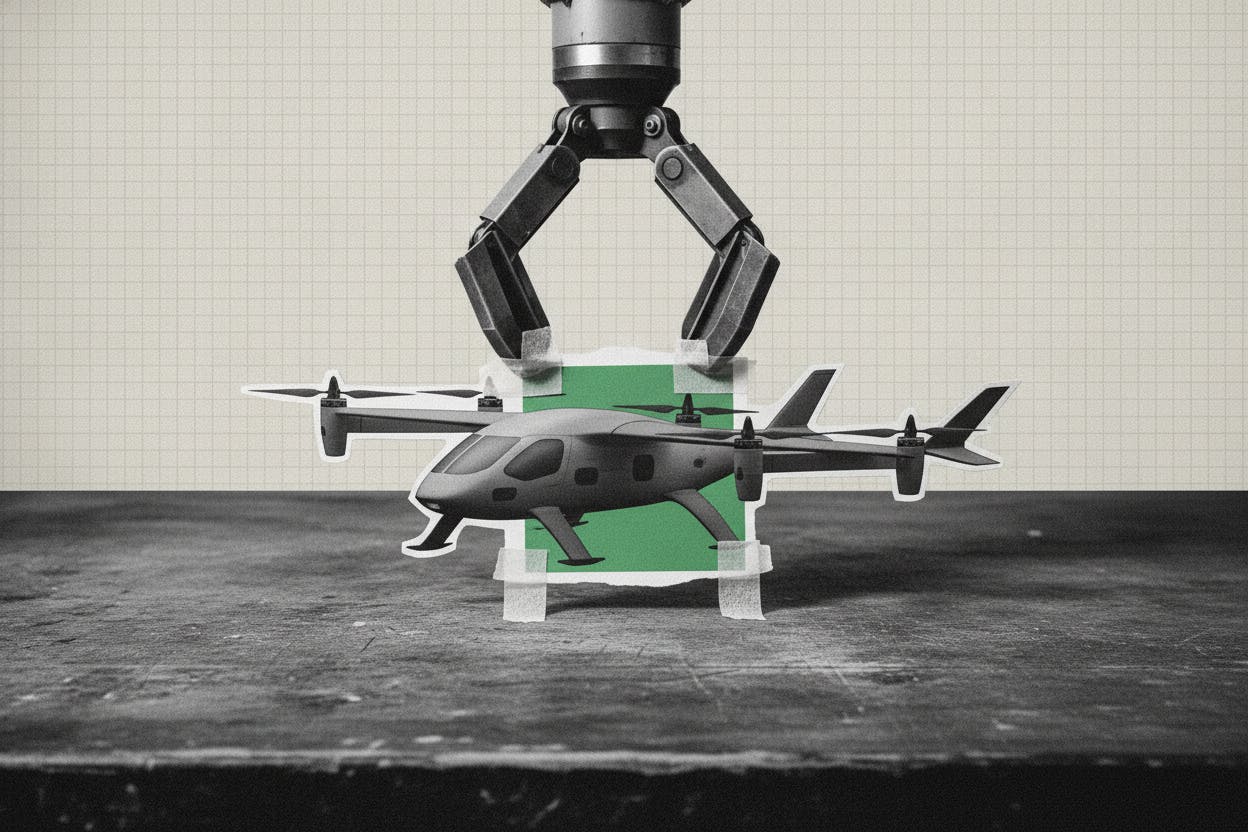
Joby Aviation and Toyota have formed a new joint venture to prepare for mass production of Joby's S4 electric air taxi, a key step as the startup works toward government certification for commercial flights. The venture, named Joby Toyota Aero Manufacturing Preparation Company (JTAMPC), is majority-controlled by Toyota, which holds a 51% stake and three board seats, while Joby retains 49% and two seats.
Electric vertical takeoff and landing aircraft (eVTOLs) promise to shorten urban commutes by flying over traffic, but they must first clear strict aviation safety rules and prove they can be built reliably at scale. This joint venture addresses the second challenge directly: it grants JTAMPC exclusive, royalty-free rights to manufacture the S4 Series and use related intellectual property. In exchange, Joby gains access to Toyota's manufacturing expertise and quality-control systems, effectively trading potential licensing income for a production partner with decades of experience.
From Demo to Production
The structure of the deal underscores a shift in Joby's story. Rather than focusing on one-off demonstrations—like its recent week-long test flights in New York City—the company is now emphasizing repeatable, high-quality manufacturing. Toyota's involvement brings credibility to that effort, given its reputation for lean production and rigorous quality standards.
For investors, the exclusive, royalty-free manufacturing rights mean that Joby's value may hinge less on patent monetization and more on its ability to execute a clean production ramp once regulators approve the aircraft. That puts greater weight on operational milestones: consistent builds coming out of JTAMPC, manufacturing yields (the percentage of planes that meet specifications without expensive rework), and a credible path to higher volumes.
What It Means for Investors
This joint venture makes Joby's stock more sensitive to operational proof points than to flashy demonstrations. Steady output and quality control can matter more than headline-grabbing test flights when the goal is turning prototypes into an actual fleet. Investors will likely watch for updates on production timelines, certification progress, and any signs of manufacturing hiccups.
The broader eVTOL sector remains speculative, with several companies racing to certify aircraft and build supply chains. Toyota's deep pockets and manufacturing know-how give Joby a potential edge, but the path to profitability is long and uncertain. For context, similar partnerships have emerged in other capital-intensive industries, such as BT and Verizon's $4 billion joint venture to serve multinational clients, where scale and expertise were key drivers.
Joby's focus on production also aligns with broader trends in advanced manufacturing, where companies are leveraging partnerships to reduce risk and accelerate time to market. The deal's structure—with Toyota holding a controlling stake—gives the automaker significant influence over production decisions, which could help ensure quality but also limits Joby's strategic flexibility.
Looking Ahead
Regulatory approval remains the biggest hurdle for Joby and the entire eVTOL industry. The Federal Aviation Administration (FAA) has yet to certify any electric air taxi for commercial use, and the process involves rigorous testing of safety, noise, and performance. Joby has been working with the FAA for years and has completed several key milestones, but a final green light is still likely years away.
Once certified, the joint venture's manufacturing capacity will determine how quickly Joby can scale. Toyota's experience with high-volume production could help the company avoid the bottlenecks that have plagued other electric vehicle startups. However, the exclusive, royalty-free arrangement means Joby will not earn licensing revenue from other manufacturers, making its financial success entirely dependent on its own production volumes.
For everyday investors, this deal is a reminder that early-stage technology companies often need deep-pocketed partners to bridge the gap between innovation and mass market. The joint venture reduces some risks—particularly around manufacturing—but does not eliminate the fundamental uncertainty of regulatory approval and market adoption. As always, diversification remains important, and investors should weigh the potential upside against the long timeline and high execution risk.