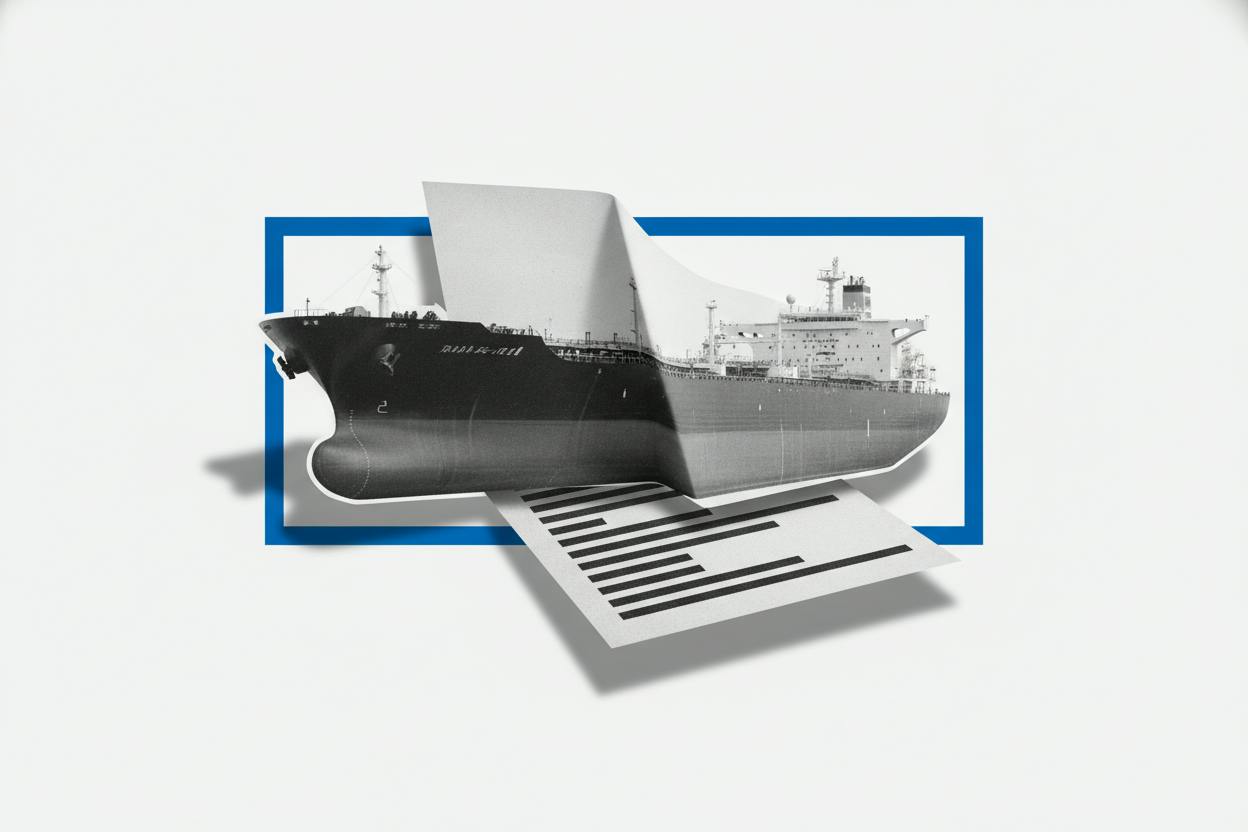
Trafigura, one of the world's largest commodity trading firms, is spinning off its fleet of giant oil tankers into a standalone, publicly traded company. The new entity, Volare Shipping, is seeking to raise $500 million from investors ahead of a planned listing on the Euronext Growth Oslo exchange by October 5th.
Volare, based in Singapore, will own and operate a fleet of very large crude carriers (VLCCs)—the massive ships that move crude oil across oceans. The company starts with 14 vessels: six already in service and eight newbuilds scheduled for delivery between May 2027 and October 2028. Those deliveries are significant because the bulk of the purchase price for new ships typically comes due around delivery time.
In the private placement, investors are being asked to value Volare at 6.1 billion Norwegian kroner (roughly $570 million). Trafigura will remain the majority owner after the listing, keeping operational control while giving outside investors a chance to own a piece of the tanker business.
Why spin off tankers?
Commodity traders like Trafigura have long used their own ships to move cargo, but owning a large fleet ties up significant capital. By listing Volare separately, Trafigura can raise fresh funds to pay for the new vessels without stretching its own balance sheet. It also gives the market a pure-play investment in the tanker sector, which has been volatile but often profitable when oil demand is strong and shipping capacity is tight.
VLCCs are the workhorses of the global oil trade, each capable of carrying around 2 million barrels of crude. Their earnings swing sharply with supply and demand for shipping space, influenced by factors like OPEC production decisions, global oil demand, and the age of the world's fleet. For investors, that means potential for high returns in good years but also significant risk when rates fall.
The move is part of a broader trend of companies carving out shipping or energy infrastructure assets into separate listed entities, often to unlock value or raise capital for expansion. Trafigura's decision to keep a majority stake suggests it wants to maintain control while still tapping public markets.
What it means for investors
For everyday investors, Volare's listing offers a way to gain exposure to the oil shipping market without buying a whole tanker. However, it comes with specific risks. The company's fortunes are tied to tanker rates, which can be unpredictable. The newbuild deliveries in 2027 and 2028 will require significant cash outlays, and the company will need to manage its debt and financing carefully.
Investors should also note that this is a listing on Euronext Growth Oslo, a smaller exchange with lighter listing requirements than major bourses. That can mean less liquidity and higher volatility. The $500 million raise is substantial, but the valuation of 6.1 billion kroner suggests a company that is still relatively small in the context of global shipping giants.
For those interested in the energy sector, this listing is a reminder that the oil supply chain extends far beyond drilling and refining. Shipping is a critical link, and its economics can be a leading indicator for oil markets. If tanker rates are strong, it often signals robust oil demand or supply disruptions that keep vessels busy.
Trafigura's move also comes at a time when global shipping faces new pressures, from environmental regulations to geopolitical tensions. Older, less efficient vessels may face higher costs or be phased out, which could benefit newer fleets like Volare's. The company's eight newbuilds will likely be more fuel-efficient and compliant with stricter emissions rules, potentially giving it a competitive edge.
But investors should be cautious. The tanker market is notoriously cyclical, and a downturn in rates could hit Volare's earnings hard. The company's reliance on Trafigura for business—both as a customer and majority owner—also creates potential conflicts of interest that investors will want to watch.
As the listing date approaches, watch for more details on the company's financial projections, charter agreements, and governance structure. The success of the raise will signal investor appetite for shipping assets in the current environment.
For now, the Volare listing is a notable development in the energy and shipping sectors, offering a new way to invest in the movement of oil. As with any IPO or spinoff, do your own research and consider whether the risks fit your portfolio.