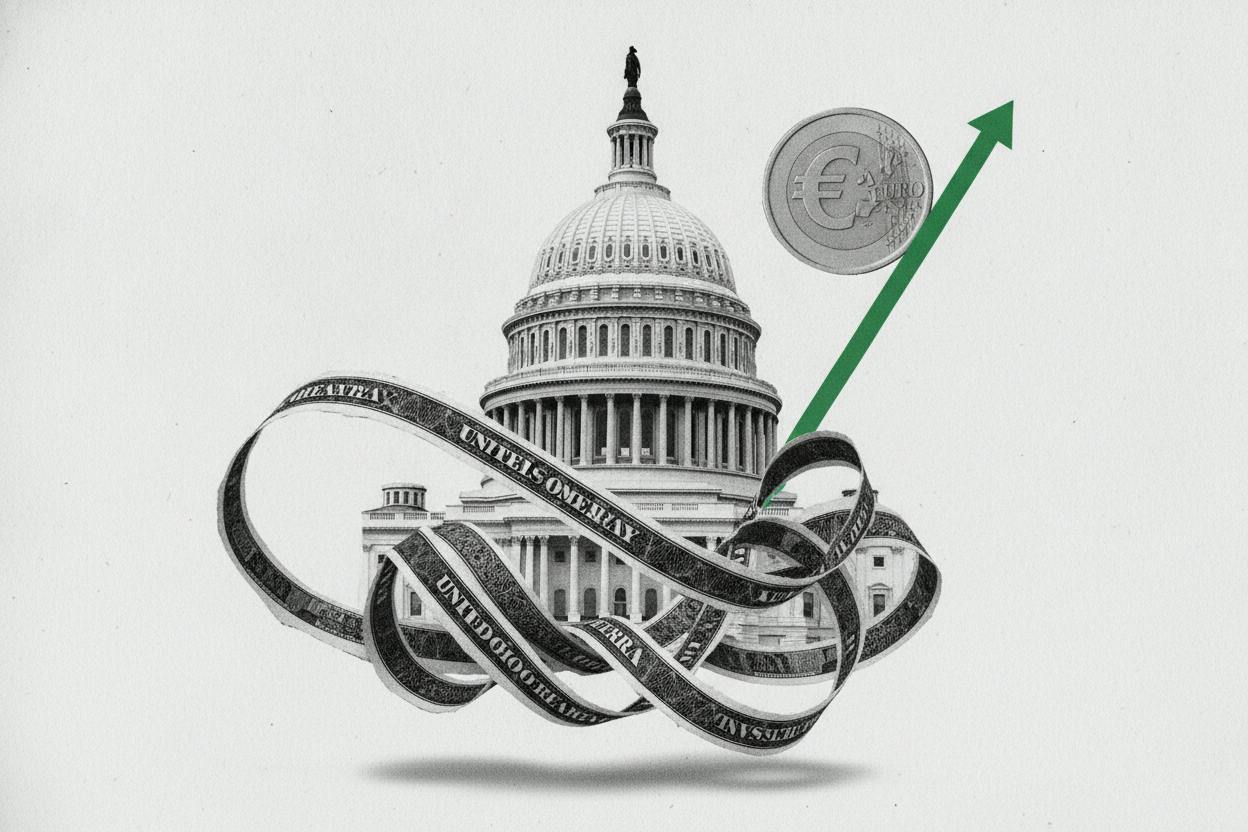
US Treasuries resumed their upward climb early Thursday, while equity futures pointed to a softer open on Wall Street. The moves come as investors sift through a messy mix of post-election politics, stubbornly high oil prices, and lingering questions about the path of inflation and growth.
The yield on the benchmark 10-year Treasury note continued its recent descent, a sign that bond buyers are still willing to pay up for safety. At the same time, stock futures dipped, suggesting equities are struggling to find their footing after a turbulent week.
Bonds and stocks tell a mixed story
Usually, when bonds rally and stocks fall, it points to worries about slower economic growth. But Thursday's action was less straightforward. Commerzbank Research noted that Treasuries resumed their rise after a late-session pause, even as Brent crude oil held around $94 a barrel. That combination—falling bond yields alongside elevated oil prices—signals investors are wrestling with two competing fears: that growth is cooling, and that inflation may stay stickier than hoped.
Oil at $94 a barrel adds to cost pressures across the economy, from gasoline to shipping to manufacturing. For central banks, that complicates the calculus. If inflation remains high while growth slows, policymakers face a difficult trade-off between supporting the economy and keeping prices in check.
The euro also made a notable move, rebounding above $1.126 against the US dollar. A stronger euro can reflect expectations that the European Central Bank may keep interest rates higher for longer, or simply a shift in currency flows as investors reassess the global outlook.
Politics adds another layer
Politics injected another variable into the market equation. Vice President JD Vance blamed Republicans' losses in Tuesday's elections on the Middle East war and the cost of living. His comments highlight how geopolitical events and domestic economic pain are increasingly intertwined in the political narrative.
For markets, political noise can matter because it affects expectations for fiscal policy, regulation, and government spending. But investors often try to look past the rhetoric and focus on the underlying data. The key question is whether the recent moves in bonds and currencies are a blip or the start of a broader trend.
Elsewhere, the picture was mixed. Some global markets have found relief in recent days as oil prices slipped from earlier highs, but Thursday's action suggests that calm may be fragile. Gridlock bets and cheaper oil had helped steady markets earlier in the week, but with Brent still near $94, that relief looks tentative.
What it means for investors
For everyday investors, the key takeaway is that markets are sending conflicting signals. Falling Treasury yields typically benefit bond prices, which can be a haven in times of uncertainty. But they also suggest that investors are bracing for slower growth, which could weigh on corporate earnings and stock prices.
High oil prices are a double-edged sword. They boost energy company profits but squeeze consumers and businesses that rely on fuel. That can feed into inflation, which in turn influences how aggressively central banks raise interest rates.
The euro's strength is another factor to watch. A stronger euro makes European exports more expensive, which could hurt European companies, but it also reflects confidence in the region's economic prospects. For US investors with international exposure, currency moves can affect returns.
Political developments, while often noisy, rarely change the fundamental drivers of markets over the long term. But they can add short-term volatility, especially when they touch on issues like fiscal spending or trade policy.
As the day progresses, investors will be watching for any new data on inflation, jobless claims, or central bank commentary. The bond market's direction will be a key tell: if yields keep falling, it suggests growth fears are winning; if they stabilize or rise, inflation worries may be back in the driver's seat.
For now, the prudent approach is to stay diversified and avoid making big bets based on a single day's moves. Markets are likely to remain choppy as investors digest the political fallout and the ongoing tug-of-war between growth and inflation.