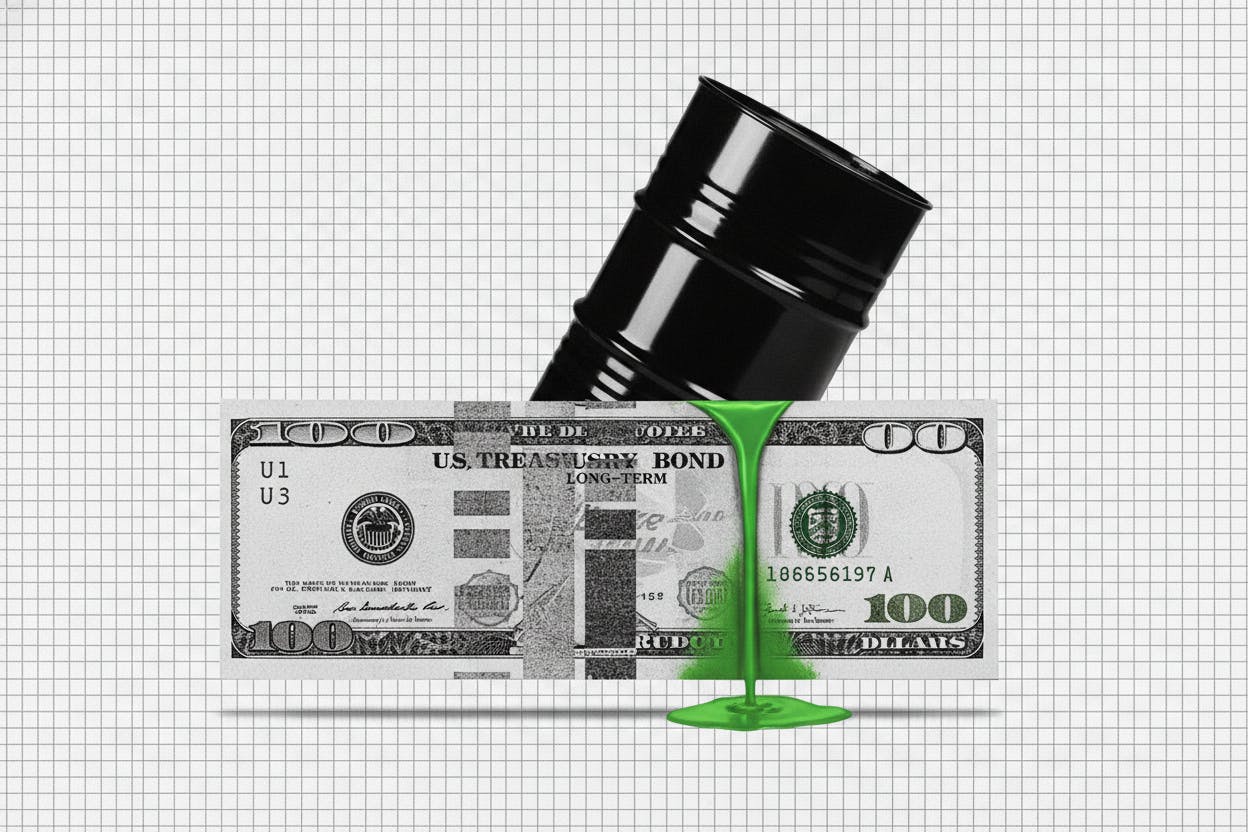
Bond markets took a breather on Tuesday as Treasury yields steadied following a period of selling, but the calm may be short-lived. Crude oil prices have climbed above $92 a barrel, reigniting concerns that higher energy costs could keep inflation stubbornly high. That has traders once again pricing in a small but real chance that the Federal Reserve will raise interest rates later this month.
Oil Prices Fuel Inflation Anxiety
The recent rally in oil prices is the main driver of the renewed inflation jitters. Crude has hit six-week highs, driven by fears of supply disruptions in key global shipping routes. For everyday investors, this matters because energy is a major input across the economy—from gasoline at the pump to the cost of transporting goods. When oil prices rise, they can feed into broader inflation measures, making it harder for central banks to declare victory over rising prices.
This dynamic is especially relevant given the global context. Central banks around the world are grappling with similar pressures. For instance, the Bank of Japan has signaled faster rate hikes as a weak yen and AI-related costs stoke inflation worries. Meanwhile, the UK's inflation dipped to 2.6% in June, but the Bank of England warns it could rebound to 3%, showing how fragile the progress on inflation can be.
What the Bond Market Is Saying
The two-year Treasury yield, which is highly sensitive to expectations for Federal Reserve policy, has risen to about 4.26% since Friday. That move reflects a shift in market sentiment: traders now see roughly a 20% probability that the Fed will raise its benchmark interest rate by a quarter-point at its July 28-29 meeting. While that is still a low probability, it is a notable increase from near zero just a few weeks ago.
Bond yields and prices move in opposite directions. When yields rise, it means investors are selling bonds, often because they expect higher inflation or tighter monetary policy. The recent selloff in Treasuries suggests that some investors are bracing for the Fed to keep rates higher for longer, especially if oil prices continue to climb.
The timing is also important. The U.S. Treasury is preparing to auction $13 billion in 20-year bonds, a sale that will test investor appetite for long-term government debt. If demand is weak, yields could rise further, adding to the pressure on stocks and other risk assets.
What It Means for Investors
For ordinary investors, the key takeaway is that inflation fears are not dead yet. Even as headline inflation has moderated from its peaks, pockets of upward pressure—like energy prices—can quickly change the narrative. This uncertainty makes it harder for the Fed to signal a clear path forward, which in turn creates volatility in both bond and stock markets.
Higher bond yields generally make fixed-income investments more attractive relative to stocks, especially growth stocks that rely on future cash flows. When yields rise, the present value of those future earnings falls, which can weigh on stock prices. Sectors like technology and real estate are often more sensitive to these shifts.
Investors should also keep an eye on how oil prices evolve. If crude stays above $90, it could keep inflation expectations elevated, reducing the chances of rate cuts later this year. On the other hand, if oil retreats, the pressure on the Fed could ease, potentially supporting a rally in both bonds and equities.
The broader backdrop is one of cautious optimism mixed with lingering risks. Central banks in many countries are still fighting inflation, as seen in South Korea's factory-gate inflation staying hot at 8.6%, prompting the central bank to flag more rate hikes. Even in India, the oil rally has pushed bond yields higher, though central bank support has capped the rise.
The Bottom Line
The bond market is sending a clear signal: the inflation fight is not over. While Treasury yields have paused for now, the combination of rising oil prices and upcoming government debt sales could reignite volatility. For everyday investors, staying diversified and paying attention to energy markets and central bank signals remains crucial. The next few weeks will be telling, especially as the Fed's July meeting approaches and more economic data comes in.



