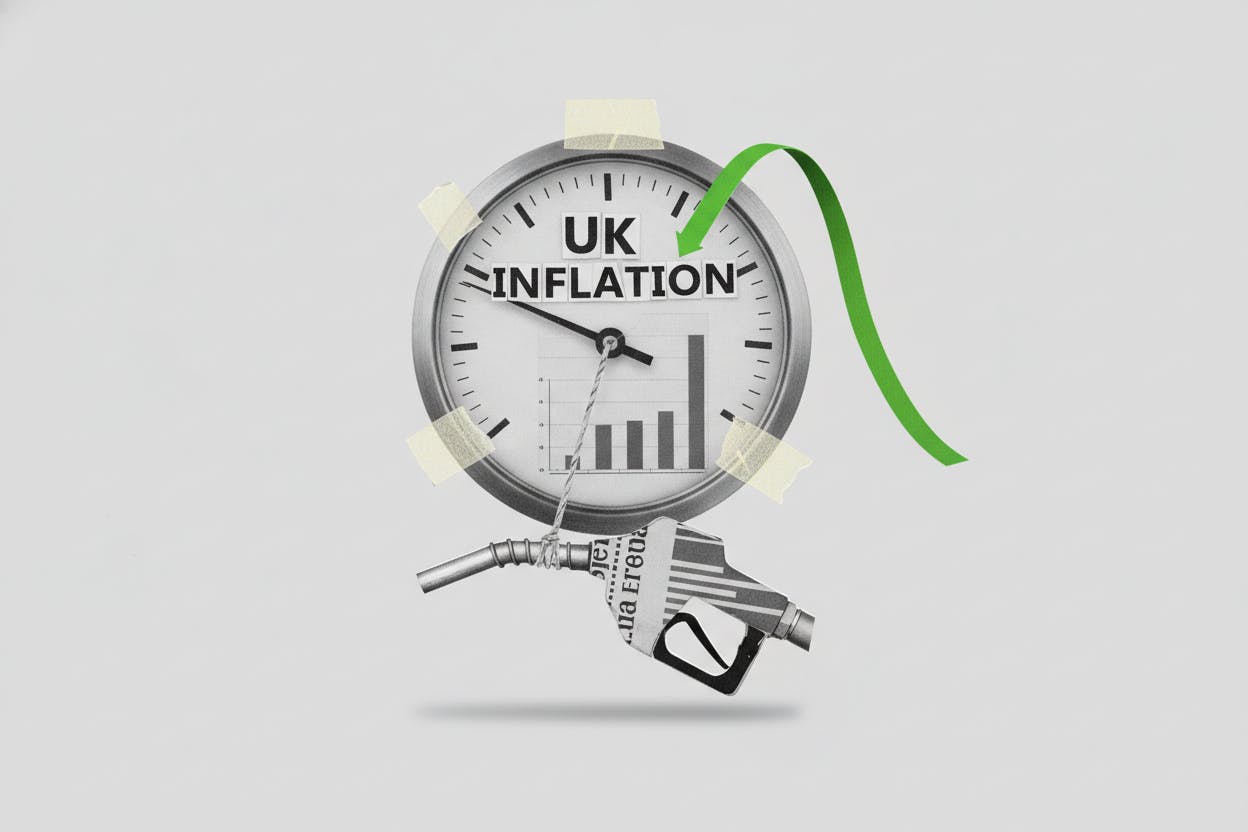
UK inflation eased more than expected in June, offering a brief reprieve for households and investors alike. The Consumer Prices Index (CPI) rose 2.6% year-on-year, down from 2.8% in May, according to the Office for National Statistics. The main driver was a drop in motor fuel prices, which helped lower the overall cost of living. But the Bank of England (BoE) has cautioned that this relief is likely temporary, with inflation expected to drift back up toward 3% in the third quarter.
What Drove the June Dip?
The June inflation figure came in below forecasts, largely because of falling fuel prices. Energy costs are a volatile component of CPI, and global oil price movements can quickly feed into household bills. In this case, lower pump prices gave consumers a break, but the underlying pressures remain. Core inflation, which strips out volatile items like food and energy, stayed elevated, suggesting that price pressures are still embedded in the economy.
The BoE has been watching inflation closely as it decides on interest rates. The central bank has raised rates aggressively over the past year to combat inflation, which peaked above 11% in late 2022. While the June figure is a step in the right direction, policymakers are not ready to declare victory. The BoE has warned that inflation could rise again in the third quarter, partly due to base effects—meaning that last year's sharp price increases are dropping out of the annual comparison, making the current figure look lower than it might otherwise be.
Why the Relief May Be Short-Lived
The BoE's forecast of inflation heading toward 3% in the third quarter reflects several factors. First, energy prices may not stay low. Global oil markets remain volatile, and any disruption—such as geopolitical tensions or supply cuts—could push fuel costs back up. Second, services inflation, which includes things like rents, restaurant meals, and haircuts, has been stickier than goods inflation. That suggests that domestic demand and wage growth are still fueling price increases.
For investors, the key question is how the BoE will respond. If inflation does rebound, the central bank may hold interest rates higher for longer, or even raise them again. That would have ripple effects across markets. Higher rates tend to weigh on stock valuations, especially for growth companies, and can boost the pound, which affects exporters. Bond yields, meanwhile, could rise as investors price in tighter monetary policy.
What It Means for Investors
The June inflation data is a reminder that the fight against inflation is not over. For everyday investors, this means staying cautious. UK Inflation Dips to 2.6% in June, but Bank of England Still Poised to Hold Rates highlights that the central bank is likely to keep rates steady for now, but the risk of further hikes remains. That could affect everything from mortgage rates to the performance of your pension fund.
Inflation also eats into real returns. If your investments are earning 5% but inflation is 2.6%, your real return is only 2.4%. If inflation rises to 3%, that real return shrinks further. Investors may want to consider assets that historically perform well during inflationary periods, such as commodities or inflation-linked bonds. However, it's important to remember that past performance is not a guarantee of future results.
The broader economic backdrop also matters. Australians Fear Inflation Most, But Many Miss How Rate Hikes Work shows that consumers globally are worried about rising prices, but many don't fully understand how interest rate changes affect their finances. In the UK, the BoE's rate decisions will continue to be a major driver of market sentiment.
Looking Ahead
Investors will be watching the next few months of inflation data closely. If the BoE's forecast of a rebound to 3% materializes, it could delay any rate cuts, which markets have been hoping for. That would likely keep bond yields elevated and put pressure on equities, particularly in rate-sensitive sectors like real estate and utilities.
On the other hand, if inflation surprises to the downside, it could spark a rally in stocks and bonds as investors bet on looser monetary policy. For now, the June dip offers a moment of calm, but the storm may not be over. As South Korea's Factory-Gate Inflation Stays Hot at 8.6% as Central Bank Flags More Rate Hikes shows, inflation pressures are a global phenomenon, and central banks around the world are grappling with similar challenges.
In summary, the UK's June inflation data is a welcome but likely temporary improvement. The BoE's warning of a rebound means that investors should remain vigilant, diversify their portfolios, and stay informed about upcoming economic data and policy decisions. The path ahead is uncertain, but understanding the forces at play can help you make more informed choices for your money.