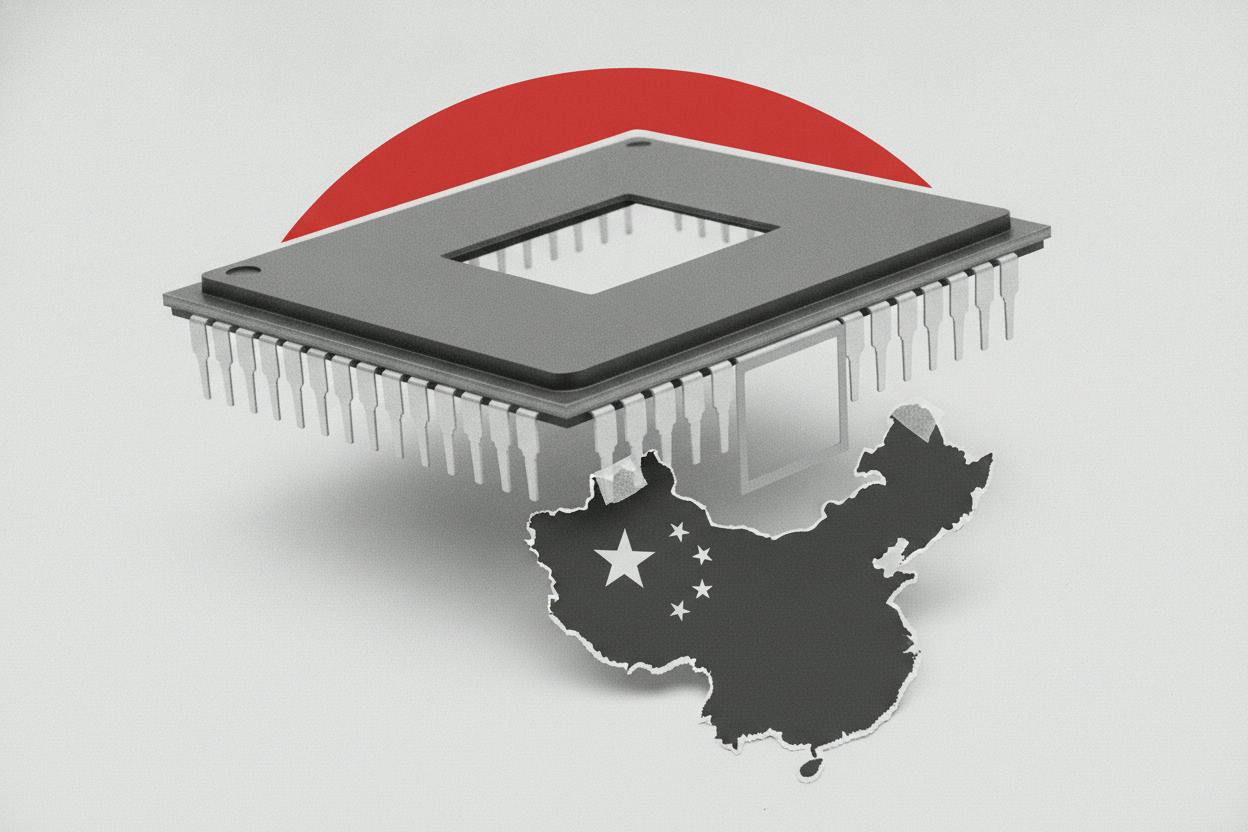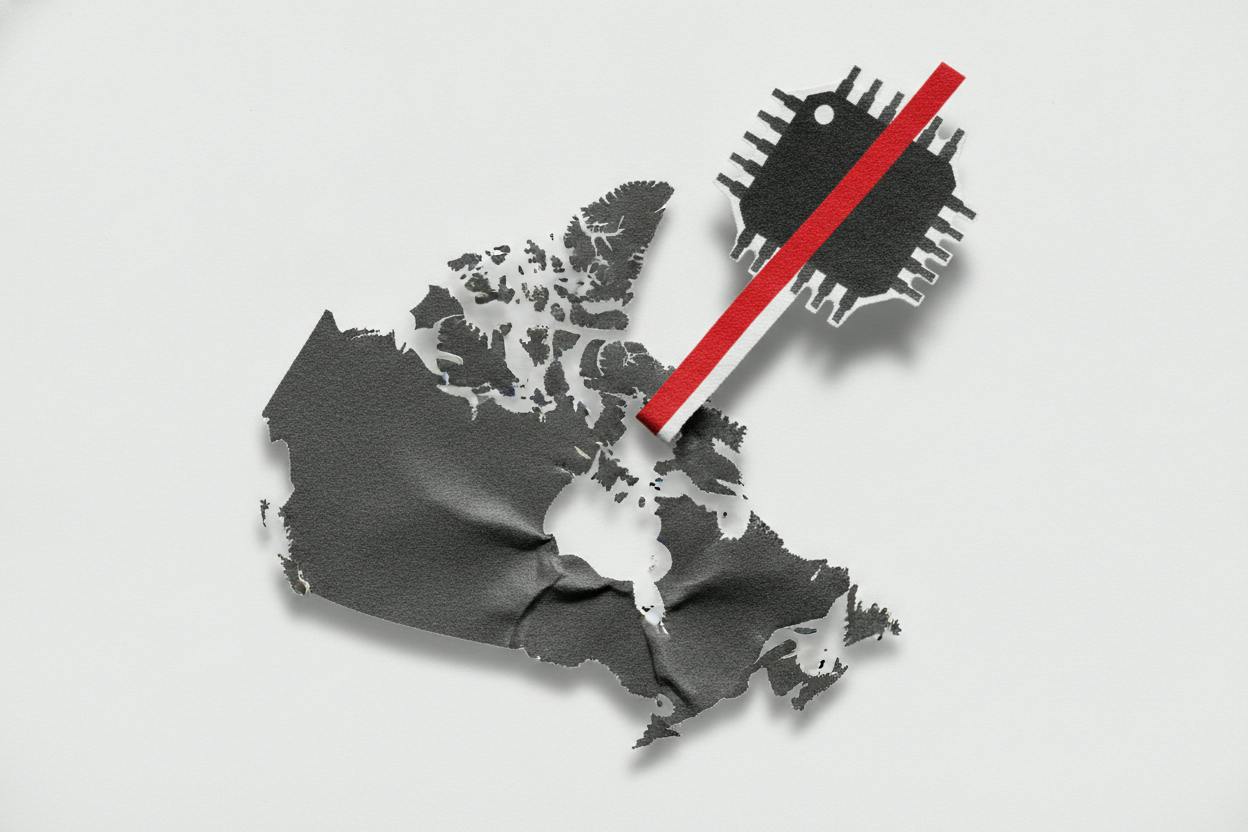
Canadian blue-chip futures slipped early Tuesday as global tech nerves took center stage, with traders bracing for Nvidia's first earnings report since CEO Jensen Huang stepped down and Washington signaling tighter curbs on AI chip exports to China.
December futures on the S&P/TSX 60 were down 0.4% at 5:56 a.m. ET, a move that looked less like a Canada-specific call and more like a reaction to global tech risk. The dip came as investors weighed the implications of Nvidia's upcoming results and fresh signals from US officials about restricting advanced AI chip sales to China.
Why Nvidia's earnings matter beyond US borders
Nvidia sits near the center of the AI supply chain, making its earnings a bellwether for the entire sector. Its chips power the data centers and AI models that have driven a wave of investment across technology companies worldwide. When Nvidia reports, the numbers don't just move its own stock—they shape sentiment for suppliers, cloud providers, and even countries whose markets are heavy on tech and resource stocks.
This time, the stakes are higher because it's the first earnings report since Jensen Huang stepped down as CEO. Leadership changes at a company of Nvidia's size add an extra layer of uncertainty, as investors try to gauge whether the strategic direction will shift and how that might affect future growth. Even if the financial results are strong, the market will be listening closely for any hints about the company's roadmap under new leadership.
The US export warning mattered for the same reason. If Washington tightens rules on selling advanced AI chips to China, companies like Nvidia could face fewer sales options and higher compliance costs. Investors treat that as policy risk that can show up quickly in valuations, especially for firms with significant exposure to the Chinese market.
This isn't the first time US chip curbs have rattled markets. Recent headlines have already hit stocks in Asia and Europe, as AI stocks slid across the region on similar concerns. The pattern is familiar: a policy announcement from Washington triggers a selloff in tech-heavy markets, and the ripple effects spread through global index futures.
Canada's mixed backdrop
While the TSX 60's move was largely driven by global tech sentiment, Canada had its own set of domestic factors in play. Resource stocks had recently weakened, adding a drag on the index. Investors were also watching inflation data for clues on whether the Bank of Canada would keep interest rates high for longer, a key question for the broader economy and corporate earnings.
The combination of global tech jitters and domestic uncertainty created a cautious mood. For Canadian investors, the takeaway is that the TSX 60 isn't immune to what happens in Silicon Valley or Washington. Even when local news is quiet, global risk appetite can move the index.
What it means for investors
For everyday investors, the 0.4% dip in TSX 60 futures is a reminder that markets are interconnected. When the US hints at tougher limits on AI chip exports to China, it doesn't just affect one earnings report—it makes future cash flows across the AI ecosystem harder to forecast. That uncertainty typically pushes investors to demand a bigger cushion for holding riskier stocks, which can weigh first on growth-heavy tech and then spread through index futures as traders hedge or cut exposure.
The result is that TSX 60 pricing can swing on global tech risk appetite even when the immediate Canadian news flow is quiet. Nvidia's earnings and US-China chip policy have become short-term volatility catalysts for Canada's big caps, and Tuesday's futures move reflects that dynamic.
Investors should also keep an eye on how the Bank of Canada responds to inflation data. If price pressures remain sticky, the central bank may keep rates higher for longer, which could affect everything from mortgage costs to corporate borrowing. That's a separate but equally important factor for Canadian portfolios.
For now, the market is in a wait-and-see mode. Nvidia's report will likely set the tone for tech stocks globally, and any further US policy announcements on chip exports could trigger another round of volatility. As always, the key for investors is to stay diversified and avoid making knee-jerk reactions to daily market moves.