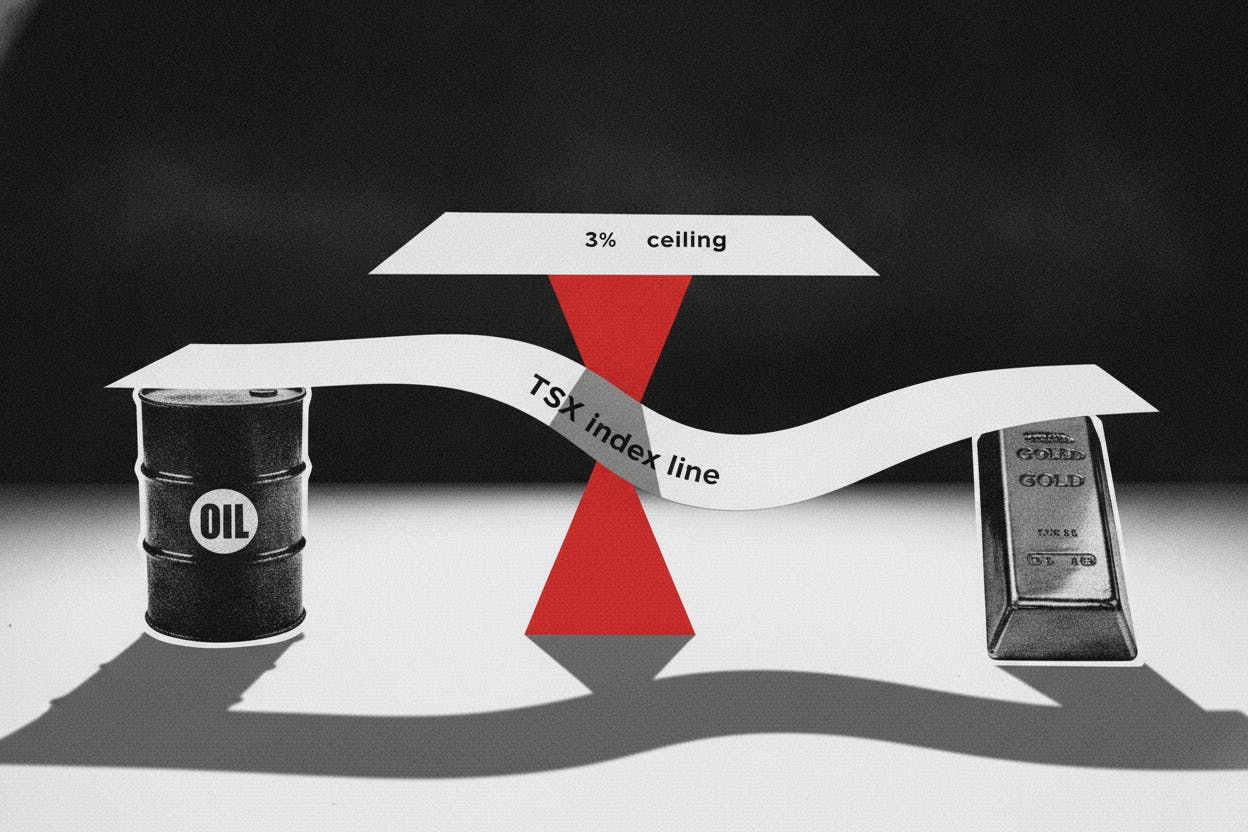
Canada's stock market opened lower on Tuesday after the country's inflation rate came in hotter than expected. The annual pace of price increases hit 3% in July, up from the previous month and above what economists had forecast. The S&P/TSX Composite Index dipped in early trading, even as energy and mining shares climbed on stronger oil and gold prices.
The move highlights a growing tension in the market: while some sectors are benefiting from rising commodity prices, the overall index is being held back by worries that inflation will force the Bank of Canada to keep interest rates higher for longer.
Why inflation is spooking the market
Inflation at 3% puts it right at the top of the Bank of Canada's target range of 1% to 3%. For months, policymakers have been trying to bring price pressures back to the 2% midpoint. When inflation runs this hot, it reduces the likelihood of near-term interest rate cuts—and increases the chance of another hike.
According to data from LSEG, traders were pricing in a 50.6% probability of a rate increase at the Bank of Canada's December meeting. That's a significant shift from just a few weeks ago, when many investors expected the central bank to start easing policy. A hold at the next meeting in September remains the base case, but the market is clearly nervous about what comes after.
Higher interest rates tend to be bad for stocks, especially for companies that rely on borrowing to grow. When rates rise, the cost of capital goes up, and future profits become less valuable in today's terms. That's why the TSX's early dip wasn't about a sudden collapse in corporate earnings—it was about the changing outlook for borrowing costs.
Energy and mining stocks buck the trend
Not all sectors were down. Energy and mining stocks actually rose, thanks to a bump in oil and gold prices. When inflation runs hot, investors often turn to commodities as a hedge, and that helped lift shares of oil producers and miners. But those gains weren't enough to offset the broader drag from rate-sensitive sectors like utilities, real estate, and technology.
The mixed performance is a reminder that the TSX is not a monolith. It's a collection of very different industries, each with its own drivers. Energy companies benefit from higher oil prices, which often accompany inflation. Miners, especially gold miners, can benefit when investors seek safe havens. But other parts of the market—like banks and consumer stocks—tend to suffer when rates rise, because higher borrowing costs can slow economic activity.
What it means for investors
For everyday investors, the key takeaway is that inflation is still a major force in the market. Even as some prices cool, the overall cost of living is still rising faster than the central bank would like. That means interest rates are likely to stay elevated for a while, which has implications for everything from mortgage rates to stock valuations.
If you hold a diversified portfolio, you're likely feeling the effects of this tug-of-war. Your energy and mining stocks might be doing well, but your bond funds or interest-rate-sensitive stocks might be lagging. That's normal in a period of high inflation and uncertain monetary policy.
One thing to watch is the Bank of Canada's next decision. If inflation continues to run hot, the central bank may feel compelled to act. That would likely push bond yields higher and put more pressure on stocks. On the other hand, if inflation starts to cool, the market could breathe a sigh of relief and rally.
For now, the message from the market is clear: inflation is still the story, and it's keeping investors on edge. As we've seen in other markets, like the US, where cooling inflation has raised hopes of a Fed pause, the direction of prices is the single biggest driver of sentiment. In Canada, the opposite is happening—and the TSX is feeling the heat.
Looking ahead
Investors will be watching upcoming economic data for clues about where inflation is headed. Retail sales, wholesale trade, and employment figures can all provide hints. Canada's wholesale sales rose 2.8% in June to C$92.5 billion, a sign that the economy is still moving, but whether that translates into sustained price pressure remains to be seen.
Also on the radar is the upcoming US retail earnings season, which will show how consumers are coping with inflation and a softening job market. Since the US is Canada's largest trading partner, what happens there often spills over into Canadian markets.
For now, the TSX's early slip is a reminder that inflation is not yet defeated. The path forward will depend on whether price pressures ease in the coming months—and how the Bank of Canada responds. Until then, expect more volatility and a market that's sensitive to every new data point.