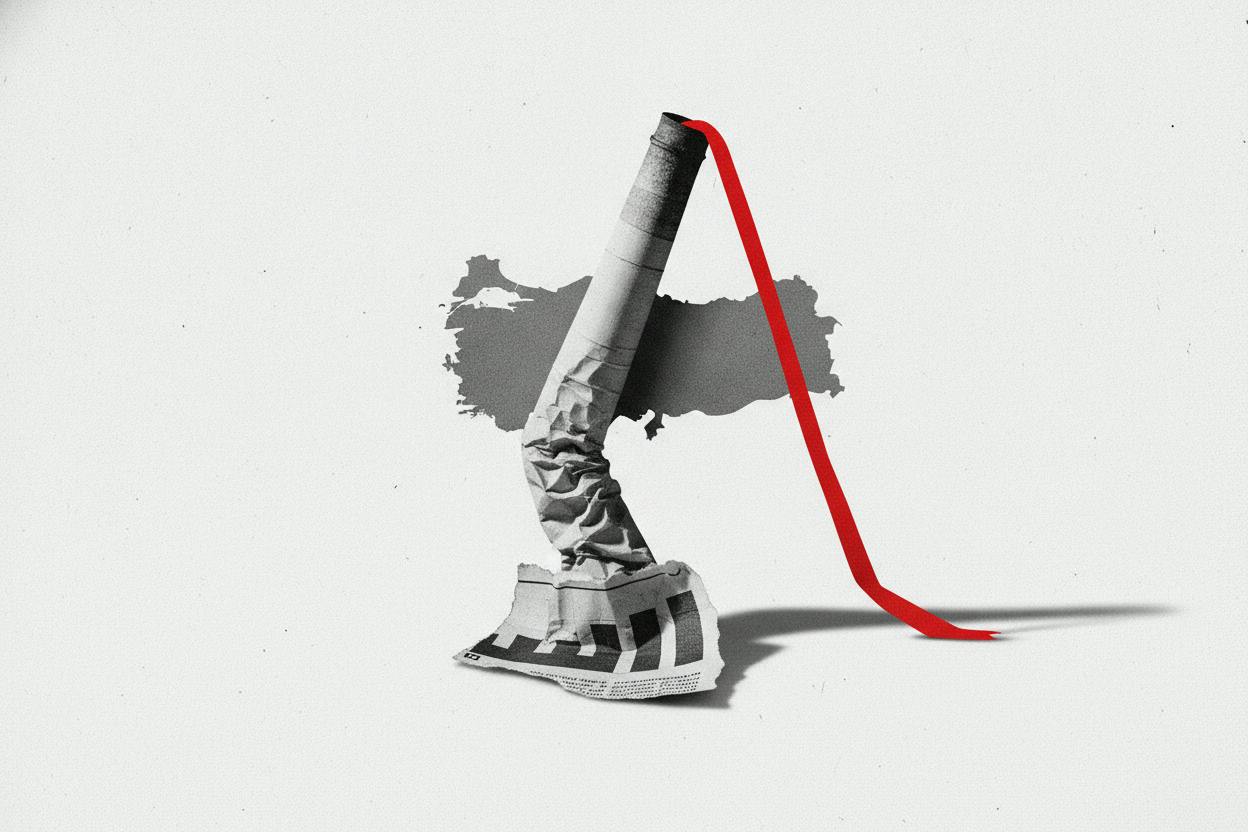
Turkey's manufacturing sector sank deeper into contraction in October, according to a closely watched survey, as new orders declined for a 40th consecutive month. The headline Purchasing Managers' Index (PMI) fell to 47.3 from 47.9 in September, remaining well below the 50-point threshold that separates growth from contraction.
The survey, compiled by data firm S&P Global for the Istanbul Chamber of Industry, pointed to faster declines in both output and new orders. Export demand also weakened, and manufacturers continued to trim their workforces, though the pace of job cuts slowed compared with previous months.
What is a PMI and why does it matter?
The PMI is a monthly gauge of business conditions based on surveys of purchasing managers at manufacturing companies. A reading above 50 indicates that activity is expanding, while a reading below 50 signals contraction. The index covers key components such as new orders, production, employment, supplier delivery times, and inventories.
For everyday investors, the PMI is a useful early indicator of the health of the industrial economy. A sustained decline often foreshadows softer corporate earnings, weaker employment, and reduced demand for raw materials. In Turkey's case, the 40-month stretch of falling new orders underscores how prolonged the current downturn has become.
Cost pressures persist despite cooling demand
One notable feature of the October report was the continued rise in input costs and output prices. S&P Global said 29% of respondents blamed higher oil and raw-material costs, as well as a weaker exchange rate, for the increase. This combination is particularly challenging: even as the real economy slows, factories are still facing upward pressure on their expenses.
When manufacturers see their costs climb, they often try to protect profit margins by passing those increases on to customers through higher output prices. If retailers and distributors follow suit, the result can be persistently high prices for everyday goods, even in an environment where overall economic activity is cooling.
This dynamic is a key reason why Turkey's inflation problem has been so stubborn. The central bank has raised interest rates aggressively over the past couple of years to tame price growth, but cost-push factors like currency weakness and global energy prices can keep inflation elevated for longer than policymakers would like.
What it means for investors
For investors with exposure to Turkish assets, the latest PMI reading is a reminder that the manufacturing sector is still in the doldrums. Companies that rely heavily on domestic demand or exports are likely to face continued headwinds. The persistent decline in new orders suggests that order books are thinning, which could weigh on revenue and profit margins in the coming quarters.
However, the survey also offers a cautionary note for those hoping for a quick easing of inflation. If factories keep facing higher input costs and pass them on to customers, consumer prices may stay sticky. That could complicate the central bank's efforts to bring inflation down and might influence its future interest rate decisions.
For global investors, Turkey's manufacturing woes are part of a broader regional picture. China's official PMIs also slipped back into contraction in October, and Australia's factory slump persisted as costs climbed. Even in Europe, Ireland's factories kept growing but saw cost pressures return. These trends suggest that global manufacturing is facing a common set of challenges: weak demand, elevated input costs, and currency volatility.
For investors in Turkish equities or bonds, the key takeaway is that the economy is still in a cooling phase, and the pain may not be over. While the pace of job cuts slowed, the overall trend remains negative. On the positive side, if cost pressures eventually ease and global demand recovers, Turkey's factories could be well-positioned to bounce back, given their competitive advantages in sectors like textiles, automotive, and electronics.
For now, though, the message from the October PMI is clear: Turkey's manufacturing sector is still contracting, and the combination of falling orders and rising costs makes for a challenging environment. Investors should keep a close eye on upcoming inflation data and central bank policy moves, as these will be critical in determining whether the current slump deepens or begins to bottom out.