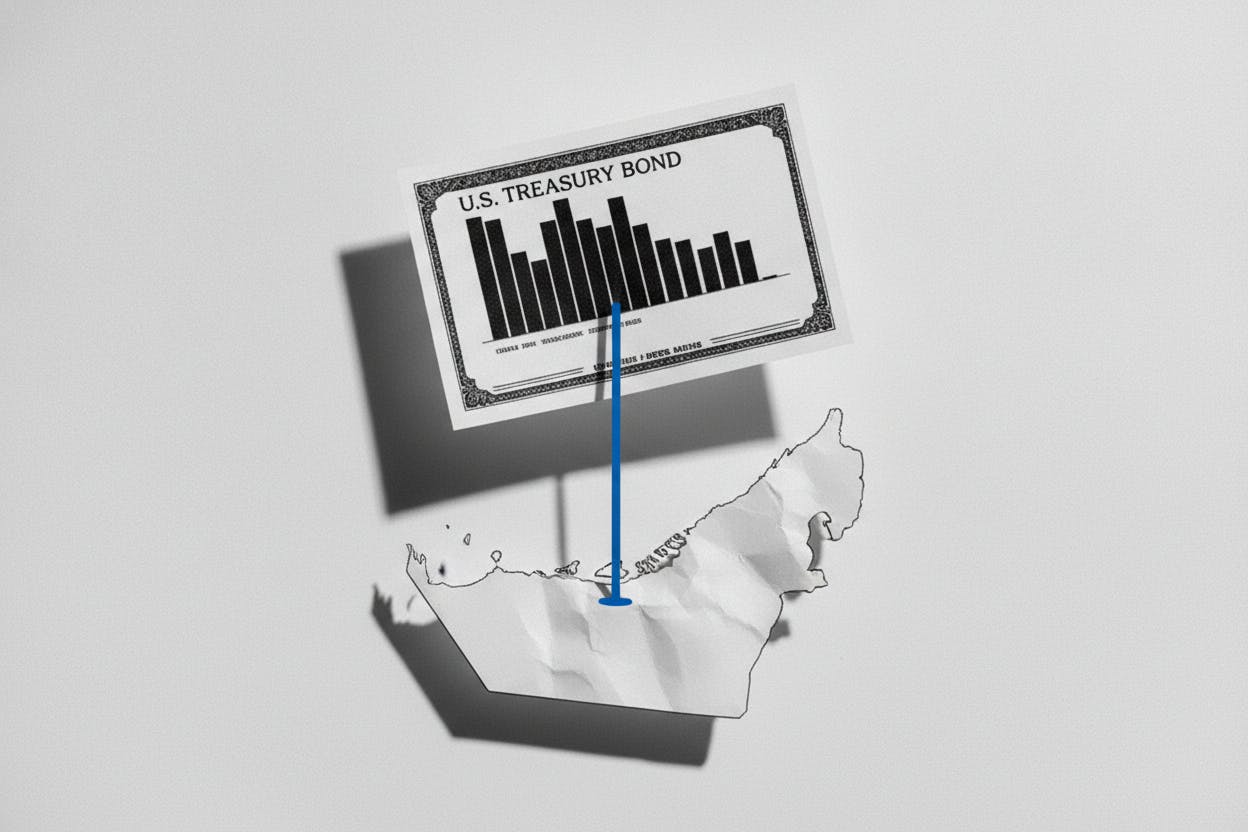
UAE stock markets took a step back on Thursday, with both Dubai and Abu Dhabi indexes falling more than 1% as investors held their breath for a crucial US inflation report. The FTSE ADX in Abu Dhabi dropped 1.17%, while Dubai's DFM index slid 1.43%, reflecting a cautious mood across the region.
The trigger for the pullback was not a local event but a global one: the release of May's personal consumption expenditures (PCE) price index by the US Bureau of Economic Analysis. This is the Federal Reserve's preferred inflation gauge, and its reading can shift the outlook for US interest rates—and by extension, financial conditions worldwide.
Why PCE Matters for Global Markets
The PCE index is different from the better-known Consumer Price Index (CPI). It captures a broader range of spending patterns and adjusts for changes in consumer behavior, making it the Fed's go-to measure. Economists expect May's PCE to show a 0.5% month-over-month increase and a 4.1% year-over-year rise. If the number comes in hotter than expected, it could reinforce the case for the Fed to keep raising rates—or even accelerate the pace. A cooler reading might ease those fears.
This matters far beyond US borders because US Treasury yields serve as a global benchmark. When investors reassess the path of Fed policy, yields typically move, and that changes the math for everything priced 'over Treasuries'—from corporate bonds to emerging-market debt. For Gulf issuers, many of whom raise dollars in international markets, a shift in Treasury yields can directly affect the cost of borrowing.
Oil prices and geopolitical tensions around the Strait of Hormuz have also been in focus recently, but Thursday's equity pullback appeared more about positioning ahead of the data than a reaction to any single headline. For context, energy stocks have been a key driver of Gulf markets, and any disruption in the strait can rattle sentiment. However, the broad-based decline across both Dubai and Abu Dhabi suggests a wait-and-see approach rather than panic.
What It Means for Investors
For everyday investors in UAE stocks, Thursday's dip is a reminder that local markets don't operate in a vacuum. Global factors—especially US monetary policy—can ripple through Gulf equities and bonds. The PCE report is one of those data points that can reset expectations for the entire year.
One concrete example of how this plays out: Burjeel Holdings, a UAE healthcare provider, priced a $500 million five-year senior unsecured sukuk on the same day markets were bracing for the PCE release. Sukuk are Islamic bonds, and many dollar-denominated deals are priced as a spread over US Treasuries. If the PCE reading surprises, it can quickly reprice the Fed outlook, move Treasury yields, and change the 'risk-free' benchmark that underpins new issuance and secondary-market trading. Even when a company's fundamentals are unchanged, that benchmark shift can mean near-term pressure—or relief—for Gulf sukuk levels and for issuers lining up their next deal.
Investors should also keep an eye on how the PCE data affects the broader risk appetite. A hotter inflation print could strengthen the US dollar, which tends to weigh on emerging-market assets, including Gulf equities. Conversely, a cooler number might boost sentiment and draw capital back into riskier markets.
For those holding UAE stocks, the key takeaway is that Thursday's decline is likely a temporary pause rather than a trend reversal. The direction of markets in the coming days will depend heavily on what the PCE report reveals and how the Fed responds. As always, diversification and a long-term perspective remain the best tools for navigating such uncertainty.