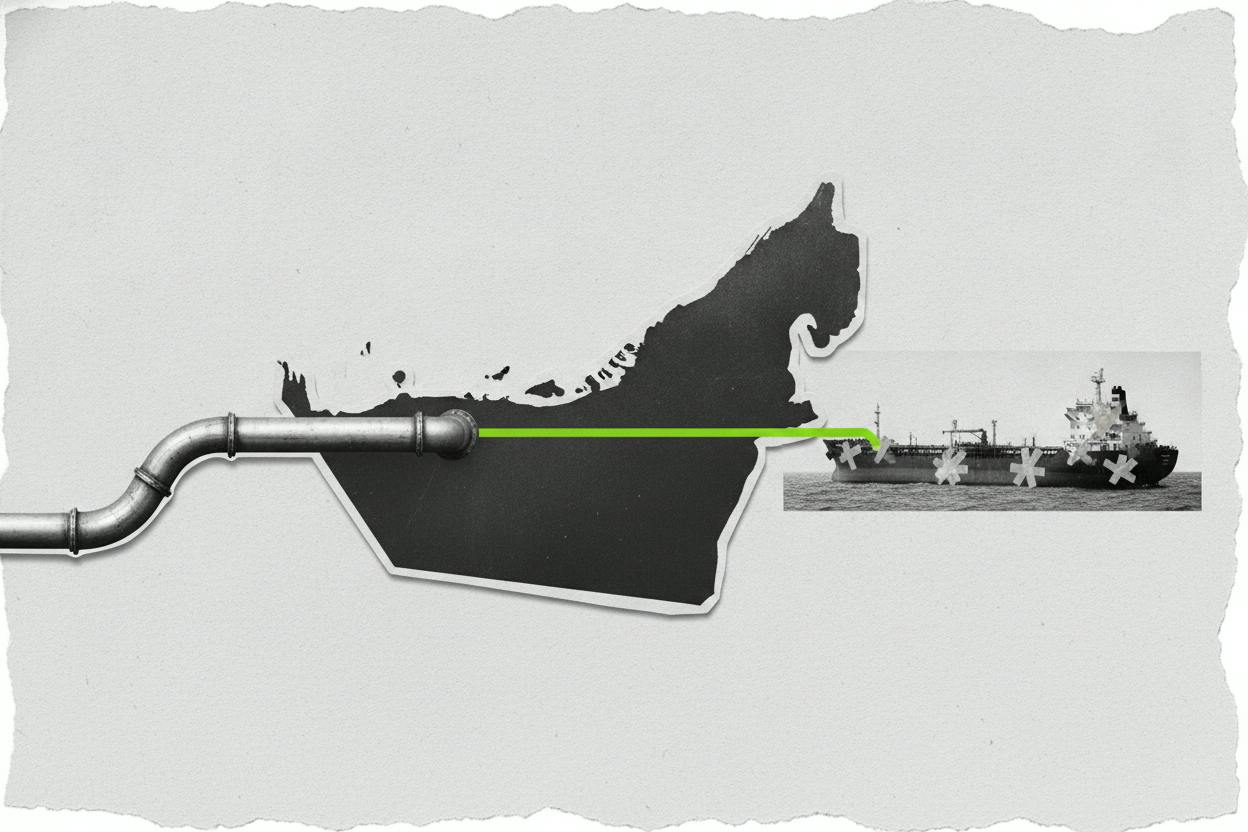
UAE stock markets pushed higher on [day], with Abu Dhabi's benchmark adding 0.9% and Dubai's index gaining 0.6%, even as Brent crude held near $92.8 a barrel. The moves came as investors took comfort from improving oil shipping flows, which helped them look past continued tanker attacks in the region.
This was less a cheer for higher oil prices and more a sigh of relief about supply getting from A to B. Energy research firm Rystad Energy said recovering physical flows have reduced the market's urgency for a quick diplomatic breakthrough, even as it warned this still isn't “normal” because shipping and insurance costs remain high and escalation risk hasn't disappeared.
What's driving the market?
For the UAE's two main benchmarks—the FTSE ADX General Index in Abu Dhabi and the DFM General Index in Dubai—the gains reflect a shift in how investors are pricing risk. Oil-linked markets often move on perceived “tail risk,” the small chance of a very bad outcome, rather than on daily changes in spot prices. When tankers can keep moving and disruptions seem less likely, investors typically demand a smaller risk premium to hold regional stocks, which can lift indexes even when crude barely budges.
Brent crude, the international oil benchmark, was basically flat on the day, hovering near $92.8. That stability itself was notable given the backdrop of tanker attacks, which have at times spiked prices on fears of supply disruptions. The fact that oil didn't jump suggests traders are also seeing improved flows.
Rystad's caution about high shipping and insurance costs underscores that the situation remains fragile. Those costs are a direct measure of how risky it is to move oil through the region, and they haven't returned to pre-crisis levels. The firm's warning that escalation risk hasn't disappeared is a reminder that the current calm could be temporary.
What it means for investors
For everyday investors, the key takeaway is that regional stocks are reacting to a lower chance of a sudden supply shock, not to a fresh jump in the oil price itself. That's a subtle but important distinction. Higher oil prices can be a double-edged sword for the UAE: they boost revenue for energy exporters but can also raise costs for other sectors and stoke inflation.
The flip side is that this support can fade quickly if attacks intensify or if insurance and freight costs spike again. That would put the supply-shock risk back into the price of local assets, potentially reversing the gains. Investors should watch for any headlines about tanker security, shipping rates, or diplomatic efforts, as these could move markets more than daily oil price changes.
For those with exposure to UAE equities, the current environment offers a measure of relief, but it's not a signal to become complacent. The region's markets remain sensitive to geopolitical developments, and the risk premium could return as quickly as it receded.
In a broader context, this episode fits a pattern where markets often price in worst-case scenarios and then adjust when reality proves less dire. The improvement in oil flows is a positive sign, but Rystad's caution is a useful reminder that “normal” is still a ways off.
As always, diversification and a long-term perspective remain sensible strategies for navigating such uncertainty. While the UAE's benchmarks have shown resilience, the underlying risks haven't disappeared, and investors should stay informed about the factors that could shift the outlook.