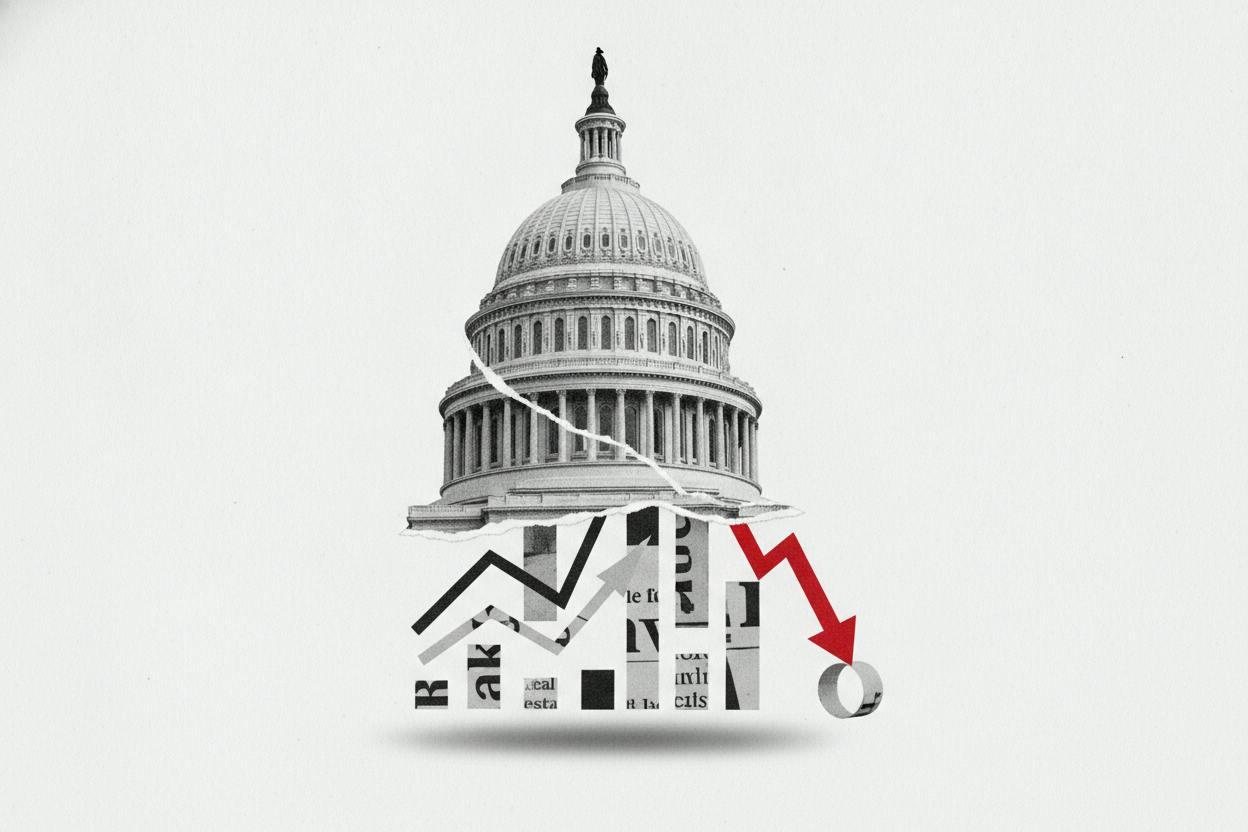
Investment bank UBS Securities has flagged a potential speed bump for the data center boom: political uncertainty following the US midterm elections could slow new construction, putting roughly 30% of expected 2028 capacity additions at risk. Texas alone accounts for 18 gigawatts of that pipeline, underscoring how regional grid constraints can shape the pace of the AI infrastructure buildout.
Why political uncertainty matters for data centers
Data centers are the physical backbone of the AI and cloud computing revolution. They house the servers that power everything from chatbots to streaming services. But these facilities are voracious consumers of electricity, and the biggest bottleneck is often not demand—it's getting connected to the grid.
UBS's point isn't that demand for AI and cloud computing disappears overnight. Instead, the bank is highlighting that regulatory and political shifts after the midterms could make it harder for developers to secure the necessary permits and grid connections. If regulators or utilities require data center developers to pay for grid upgrades, the total project cost rises, and the wait to get power can stretch. That makes marginal projects easier to delay, resize, or phase in.
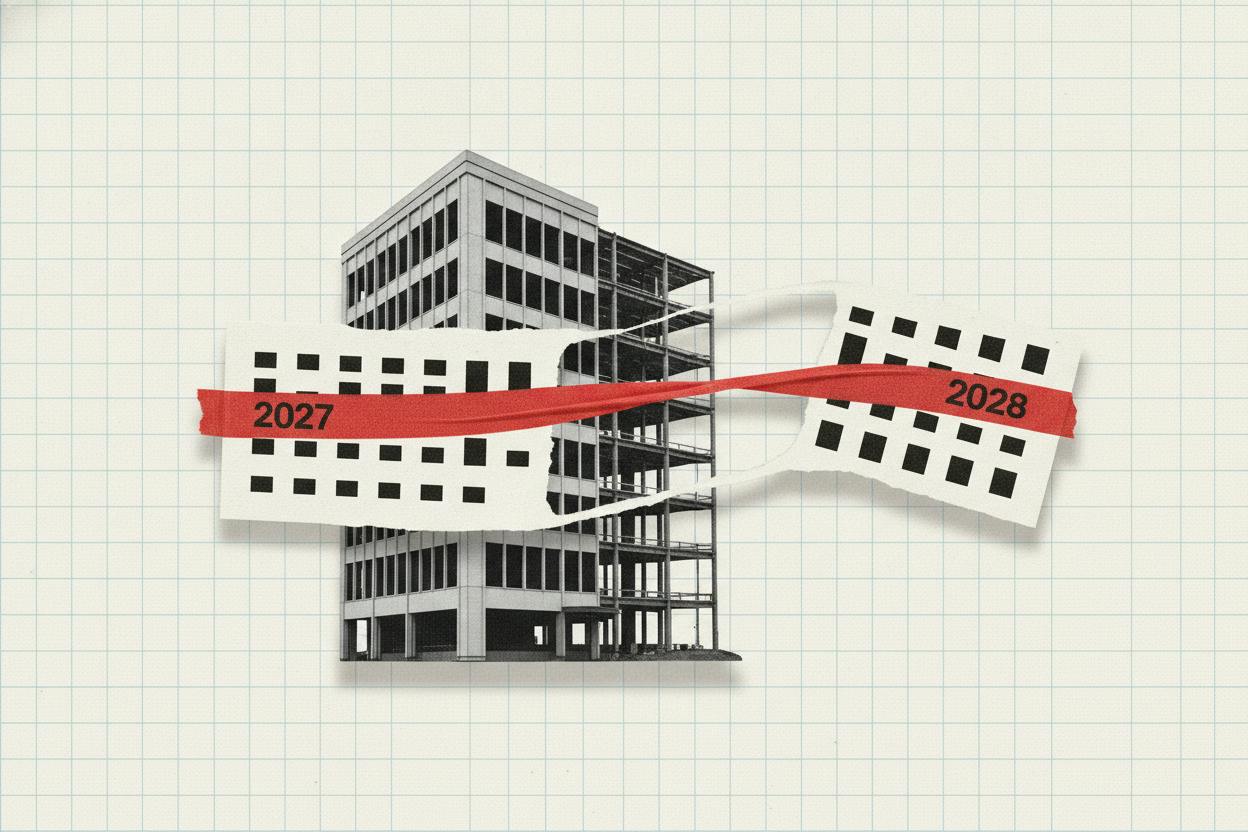
This pressure would likely show up first in the "physical build" side of the AI infrastructure story: construction activity, electrical equipment, power distribution gear, and cooling systems. Chipmakers can still benefit from longer-term AI adoption, but the near-term signal investors will watch is whether expected spending gets pushed from 2027 into 2028, as UBS suggests, rather than being canceled.
Texas: a case study in grid constraints
Texas's 18 gigawatts of at-risk capacity is a striking number. To put it in context, a single large data center might consume 100 megawatts or more—enough to power tens of thousands of homes. So 18 gigawatts represents a massive amount of planned computing power, and it's concentrated in one state.
Texas has been a magnet for data center development, thanks to its business-friendly environment and relatively cheap land. But the state's grid, operated by ERCOT, has faced its own challenges, including extreme weather events and rapid demand growth. The interconnection queue—the process for connecting new power users to the grid—can be long and uncertain, and political pressure to prioritize residential or industrial needs could further complicate things.
When a bank says 30% of 2028 capacity is "at risk," it's really describing a scheduling problem: higher all-in costs and longer interconnection timelines can move projects down the calendar even if end-user demand is intact. That can create a gap in revenue visibility for companies tied to new sites, because orders usually don't land until power access and permits are secured.
What it means for investors
For investors, the key takeaway is that the AI buildout is not just about chips and software—it's also about power, permits, and politics. Companies that supply the physical infrastructure—electrical equipment makers, cooling system providers, construction firms—could see near-term order delays if projects slip. On the other hand, if the market decides this is mostly a timing shift, not a permanent drop in build plans, it could mean weaker near-term numbers followed by a catch-up later.
This is not the first time analysts have warned about data center headwinds. Earlier this year, Solstice raised its 2026 outlook on the back of AI data center and nuclear demand, showing that some companies still see strong long-term growth. Similarly, Arista lifted its 2026 sales target again as AI demand builds, suggesting that the networking side of the story remains robust.
But the UBS warning is a reminder that the path to that growth is not always smooth. Political shifts, like the Democrats' sweep of the midterms, can change the regulatory landscape. And as China's YMTC paused its $4.6B IPO amid chip stock slides, the global tech sector is already facing headwinds.
For everyday investors, the lesson is to look beyond the hype. Data center demand is real, but the timeline is not set in stone. Watch for signals on grid interconnection times, utility rate cases, and state-level permitting rules. If projects slip, companies with exposure to the physical build could see their near-term earnings take a hit, even if the long-term story remains intact.
As always, this is not a recommendation to buy or sell any stock. It's about understanding the risks and opportunities in a sector that is central to the AI revolution but increasingly tied to the mundane realities of electricity grids and politics.