British shoppers headed into the Black Friday sales in a slightly better mood than they were a month earlier, according to a closely watched survey. The GfK consumer confidence index rose 2 points to -22 in November, recovering some ground after a sharp drop in October that had retailers worried about how much people were willing to spend.
The improvement was led by a jump in the "major purchases" measure, which climbed 5 points to -17. That suggests more households are open to big-ticket spending as holiday discounts ramp up. GfK's consumer insights director Neil Bellamy called it "welcome relief" for manufacturers and retailers, but the survey also showed the pressure is still there: people felt a touch better about the wider economy, yet a bit worse about their own finances, as inflation and borrowing costs bite.
What's behind the numbers?
The GfK index is a long-running monthly snapshot of how people feel about the economy, their personal finances, and whether it's a good time to make major purchases. A reading of -22 is still deeply negative, meaning pessimists outnumber optimists, but the direction matters. After October's slump, the November uptick suggests the mood has stabilised somewhat.
The improvement in the major purchases measure is particularly notable. It often reflects how confident people feel about making big commitments, such as buying furniture, appliances, or a new car. A 5-point jump is a meaningful shift, and it comes at a time when retailers are heavily promoting early Black Friday deals. The early holiday deals have already been lifting spending in some sectors, and this survey suggests UK shoppers may be similarly tempted.
However, the survey also found that people felt slightly worse about their own financial situation over the past year. That's a warning sign, because it suggests the cost-of-living squeeze is still very real. Inflation remains elevated, and the Bank of England recently raised interest rates for the first time in over three years, warning that inflation could climb to nearly 5% by mid-2027. That mix can turn a short-lived confidence bounce into caution later.
What it means for investors
For investors, the key takeaway is that consumer spending may get a near-term boost from Black Friday and the holiday season, but the longer-term picture is more complicated. Retailers and manufacturers will welcome any sign that shoppers are willing to open their wallets, especially after a weak October. But the improvement is fragile, and the pressure on household finances hasn't gone away.
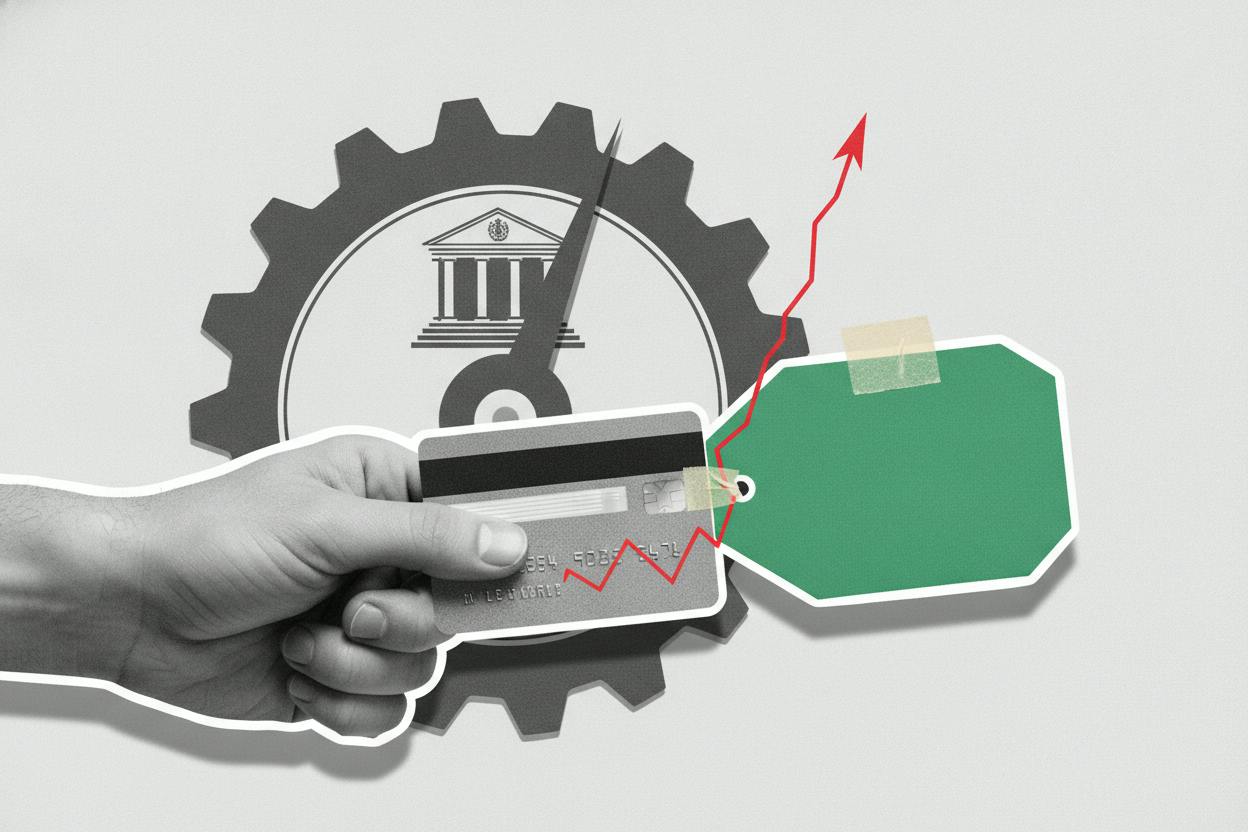
One important angle is how consumers pay for those big-ticket purchases. The 5-point jump in the major purchases measure suggests more people are tempted to pull spending forward into November and December, especially when promotions make delaying feel pointless. But a lot of those purchases end up on credit cards, personal loans, or "pay later" plans. With interest rates rising, the cost of carrying that balance from month to month is higher. So even if retailers get a lift at the checkout, some households could feel the hangover afterward: less room for everyday spending once repayments reset higher, particularly if inflation stays sticky.
This dynamic is playing out across other economies too. In the US, retail sales rose in October as shoppers kept spending, but Wells Fargo has flagged nine yellow flags as low-income consumers feel the pinch. In Poland, consumer confidence dipped in November but the outlook brightened. The pattern is similar: consumers are still spending, but they're becoming more selective and more sensitive to price.
For investors in UK retail and consumer stocks, the November confidence reading is a modest positive, but it's not a green light. The Bank of England's rate hike and inflation warning suggest that borrowing costs will stay higher for longer, which could weigh on discretionary spending in the months ahead. As retail earnings have shown, the sector is splitting between winners and losers, and consumer confidence is only one piece of the puzzle.
Ultimately, the GfK survey is a reminder that consumer sentiment is volatile and can shift quickly. For everyday investors, the takeaway is to watch how the holiday season actually translates into sales and profit margins, rather than reading too much into a single confidence reading. The next few months will show whether the November bounce was a genuine turning point or just a blip before the real strain of higher rates and inflation sets in.