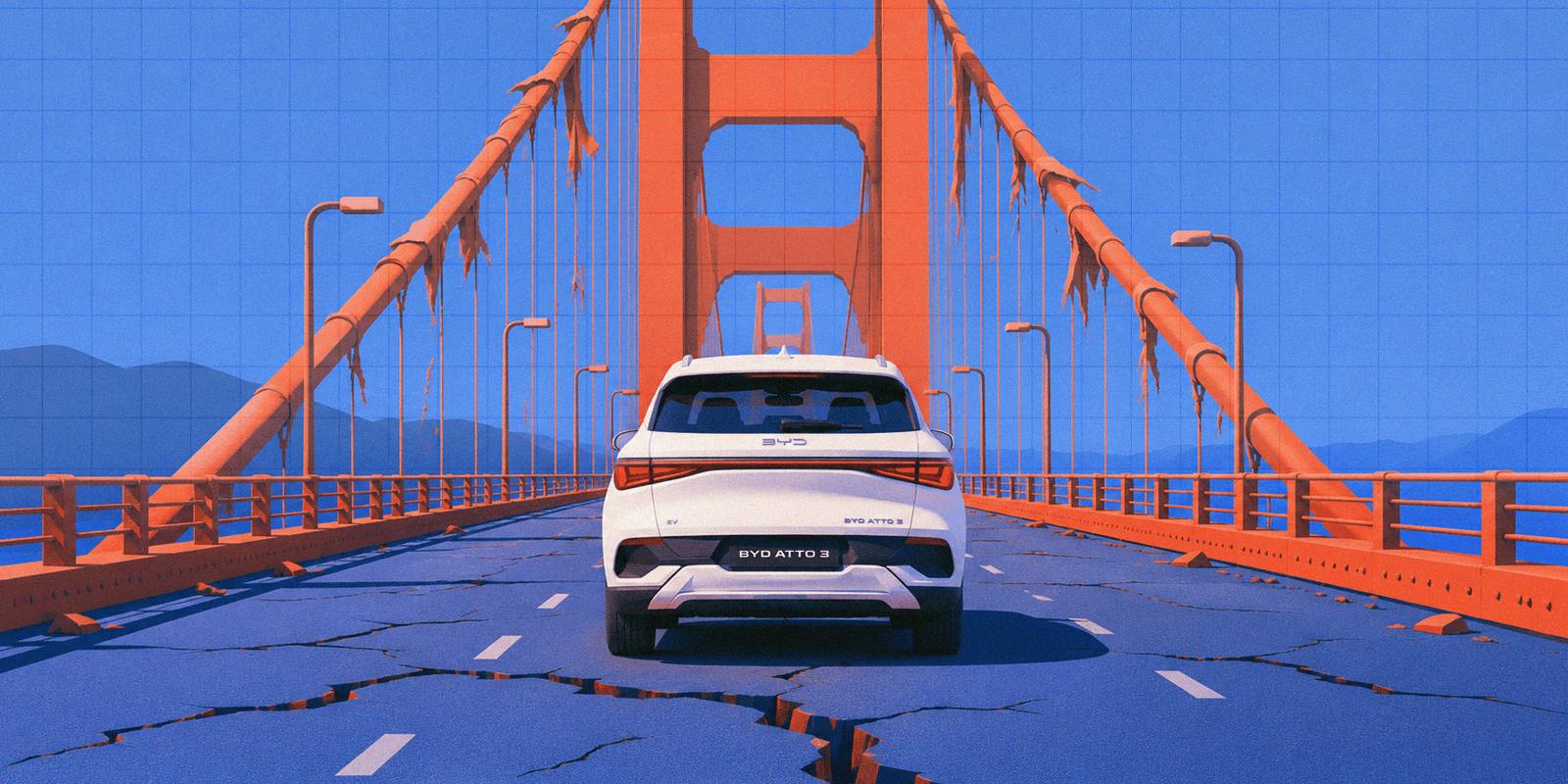
Chinese cars are already effectively barred from US showrooms, thanks to hefty tariffs and restrictions on connected-car technology. Now, lawmakers from both parties want to make those barriers permanent, locking them into federal law so they can't be easily reversed. The push is moving fast, with a deal targeted before January.
The proposal is part of a broader effort to limit China's influence in critical industries. But it's hitting a speed bump: an earlier draft would have banned any automaker with more than 15% Chinese ownership. That would have swept in Mercedes-Benz, which counts two Chinese investors with stakes of nearly 10% each. Lawmakers are now considering exemptions for shareholders who don't have voting power, which could give Mercedes a pass.
What's actually being proposed?
The idea is to codify existing executive actions into law. Currently, Chinese-made cars face a 100% tariff, and rules restrict the use of Chinese connected-car technology over national security concerns. Turning those into statute would make them much harder for a future administration to undo.
The ownership threshold is the sticking point. A hard cap on Chinese ownership would affect more than just Chinese brands. Many global automakers have Chinese partners or investors, so lawmakers are trying to craft a rule that targets Chinese-owned companies without punishing Western firms that simply have Chinese shareholders.
For the market, the stakes are clear. China-based BYD and Geely don't sell cars in the US today, so a ban wouldn't immediately hurt their bottom lines. But it would shut a door they'd hoped might eventually open. BYD, in particular, has been expanding aggressively overseas and has signaled interest in the US market.
Chinese ownership is becoming a red flag
The bigger worry for investors is that Chinese ownership itself is becoming a liability. Geely owns Volvo and Polestar, and the two brands have had very different fates. Volvo got approval to keep selling its internet-connected cars in the US, but Polestar was blocked. That leaves Polestar's 2027 models out in the cold, unable to be sold in the US.
This isn't just about cars. Lawmakers have already targeted Chinese telecoms, drones, and biotech. The pattern suggests that any data-heavy industry with Chinese ties could be next. For investors, that means companies with Chinese ownership or supply chains face regulatory risk that goes beyond tariffs.
The situation echoes other recent moves to limit Chinese tech influence, such as Cursor weighing dropping Chinese AI models and AMD's firmware ties to a blacklisted Chinese server maker. The trend is clear: Chinese connections are under scrutiny across sectors.
What it means for investors
For US automakers like Ford, GM, and Tesla, the proposed ban is a gift. It gives them a protected home market, free from the price pressure that Chinese EVs have brought to Europe. In Europe, Chinese carmakers now command about 15% of the EV market, wooing drivers with cheap, tech-packed vehicles. Most countries there are opting for tariffs over outright bans, leaving European and Japanese automakers like Volkswagen, Stellantis, and Toyota scrambling to compete.
In the US, the dynamic is different. Chinese brands aren't present, so the ban wouldn't change the competitive landscape immediately. But it would cement that status quo, ensuring that the price war happening elsewhere doesn't reach American shores.
For investors, the key takeaway is that regulatory risk is now a permanent feature of the auto industry. Companies with Chinese ownership, like Geely's Volvo and Polestar, face an uncertain path. Even those without direct Chinese ties could be affected if they rely on Chinese components or software.
The broader lesson: Chinese ownership is becoming a red flag in Washington. As lawmakers target more industries, investors should watch for similar moves in other sectors. The slide in Chinese tech shares and stockpiling of Nvidia chips show that the chill is already spreading.
For now, the focus is on cars. But the precedent being set could reshape how US regulators treat Chinese investment across the board. Investors in any industry with Chinese exposure should be prepared for more hurdles ahead.