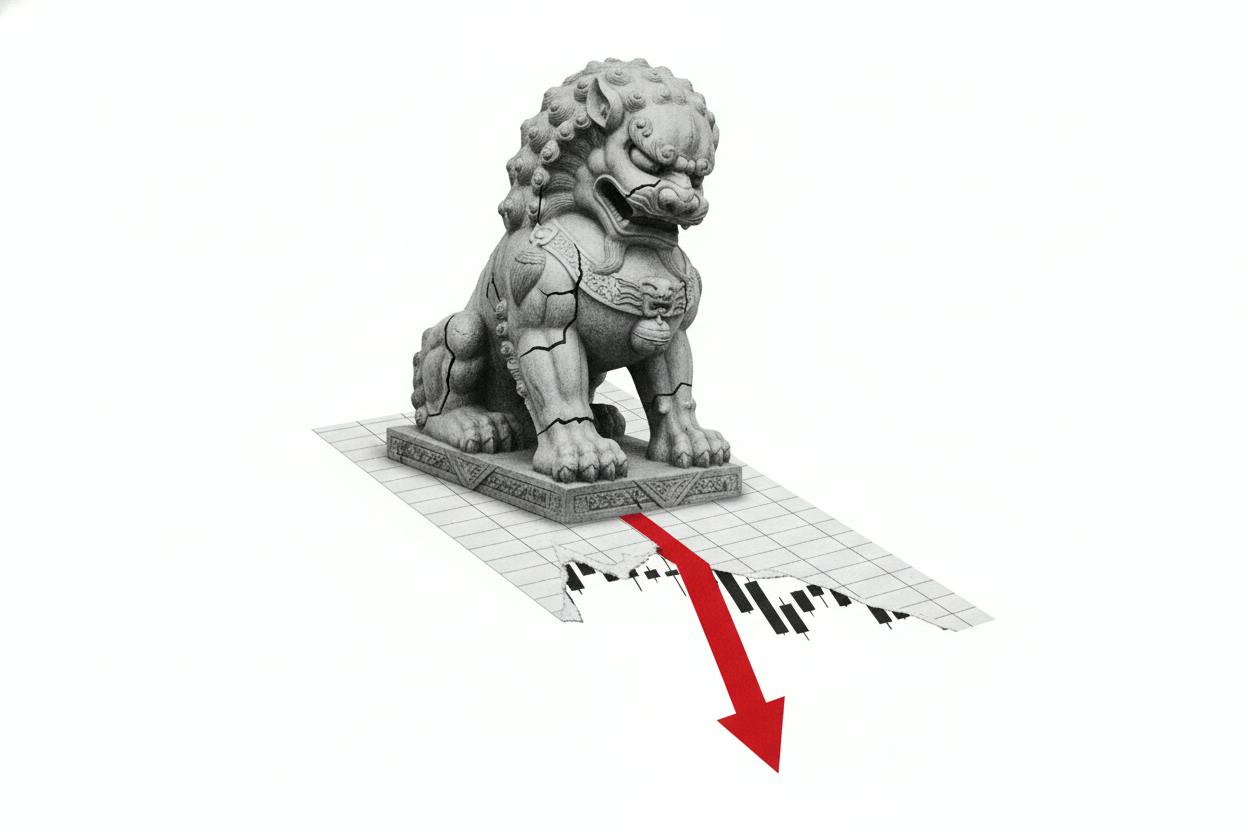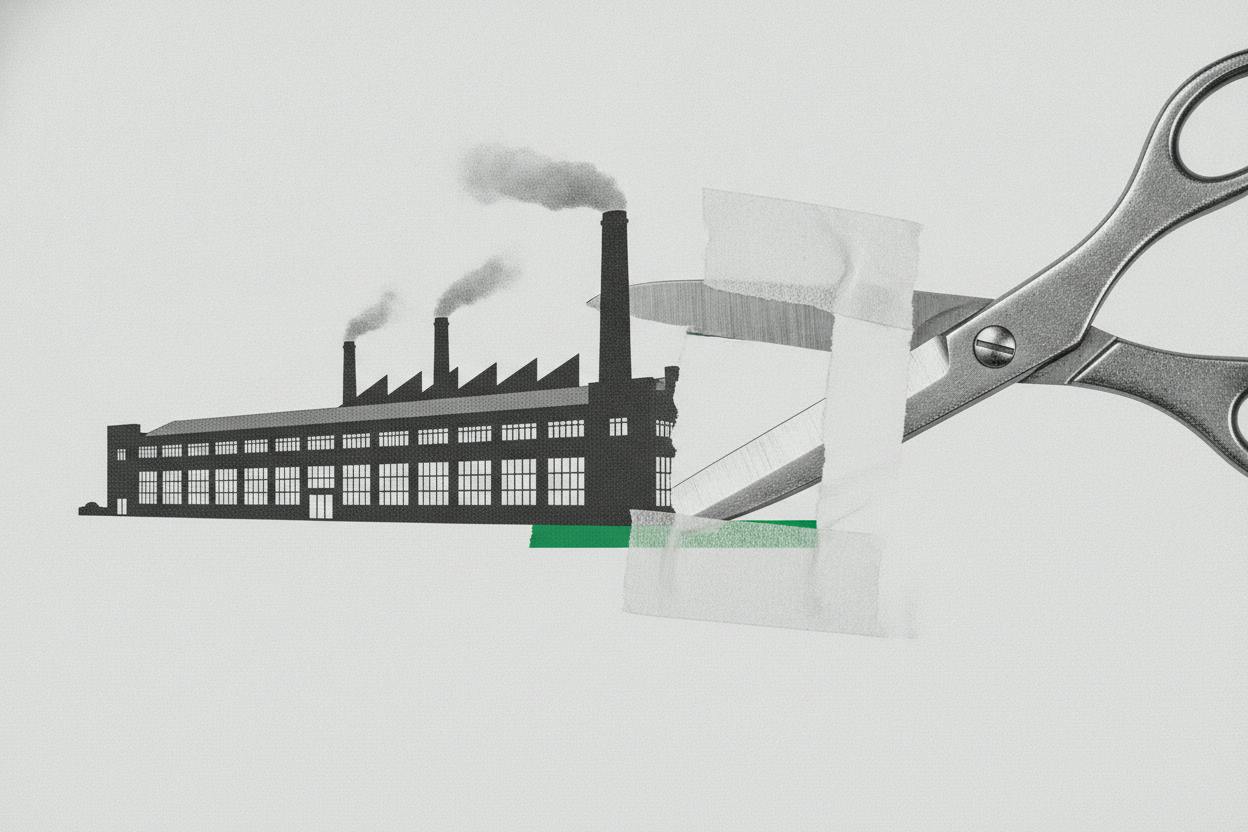
Volkswagen, the world's second-largest automaker, is bracing for the most sweeping restructuring in its 89-year history. According to Reuters, management and labor have signed off on plans that could eliminate up to 100,000 jobs and shutter as many as four production facilities, including the electric-vehicle plant in Zwickau, Germany.
The move marks a dramatic escalation from an earlier agreement to cut 35,000 German jobs by the end of the decade without closing any plants. That deal now appears insufficient as the company confronts a perfect storm of challenges: a slower-than-expected EV transition, intensifying competition in China, and the looming threat of sweeping US tariffs announced for April 2025.
Why Volkswagen is restructuring now
Volkswagen has spent the past decade trying to move past the 2015 diesel-emissions scandal and pivot aggressively toward electric vehicles. But the transition has not delivered the scale or pricing power the group needs. In China, once a reliable profit engine, the company has lost ground to domestic rivals. BYD overtook Volkswagen in the Chinese market by 2023, and local brands have been faster on software, model cycles, and aggressive pricing.
The company's struggles in China are well-documented. A recent Xpeng-backed EV venture has seen sales far below target, and analysts have cut profit forecasts after the company's Paris update highlighted China weakness. The broader issue is that Volkswagen's fixed costs—factories, labor, and overhead—are spread over a shrinking volume of vehicles, which pushes up the cost per car and squeezes margins.
Adding to the pressure, the US tariffs announced for April 2025 would add billions of euros a year in costs, making the earlier job-cut plan look too mild. The company has been exploring options to mitigate tariff exposure, such as a potential Audi plant in Georgia, but the immediate need is to reduce costs at home.
The logic behind plant closures and layoffs
Car manufacturing is a high-fixed-cost business. When demand softens, underused factories drive up the cost of each vehicle, squeezing profits. Closing capacity and cutting headcount can lower that fixed-cost base, making the company more resilient to future downturns. But such moves come with near-term pain: severance payments, contract exits, and write-downs on shuttered assets.
For investors, the up-to-100,000-layoff plan is a cash-flow story before it's a margin story. Restructurings typically mean upfront cash outflows and non-cash charges that can make near-term free cash flow and reported profit look worse, even if costs drop later. The market reaction may hinge less on the headline layoff number and more on whether Volkswagen can show a clear path from one-off pain to sustained savings.
What it means for investors
For everyday investors, this restructuring is a reminder of the operating leverage inherent in the auto industry. Small changes in volume can swing profits dramatically because factories and labor are expensive to keep running. If Volkswagen can permanently shrink its capacity, its breakeven point should fall, making earnings more resilient when sales are weak.
But the timing matters. Investors often focus on when the savings will materialize versus when the costs will hit. The company will likely face significant charges in the near term, which could weigh on its stock. However, if management can execute the plan effectively, the long-term payoff could be a leaner, more competitive company.
Volkswagen's situation is not unique. Other companies have gone through similar restructurings, and the pattern is often the same: short-term pain for long-term gain. For example, NAB's restructuring and Westpac's job cuts illustrate how financial firms are also trimming costs to adapt to changing markets.
The key question for Volkswagen is whether it can navigate this transition without losing its competitive edge. The company's ability to execute on its EV strategy, particularly in China, will be critical. If it can't, the restructuring may only delay the inevitable. But if it can, the company could emerge stronger, with a cost structure better suited to the realities of the modern auto market.
For now, investors will be watching closely for details on the timing and scope of the job cuts and plant closures, as well as any guidance on the expected costs and savings. The next few quarters will be telling.