Volvo Cars has announced that Klaus Zellmer will take over as chief executive by October 1st, 2027, succeeding Hakan Samuelsson, who was brought back in 2025 to steady the company. The leadership transition arrives at a delicate moment for the Swedish automaker, which is grappling with new US tariffs on imported vehicles and a slowdown in China, its second-largest market.
Why the handover matters now
Samuelsson, who returned to the helm in 2025, has a contract that runs until April. He has indicated he does not plan to continue working full time after that, prompting the board to line up a successor well in advance. Zellmer, who currently leads Volvo's commercial operations, will step into the top job within a year, giving him time to prepare for the challenges ahead.
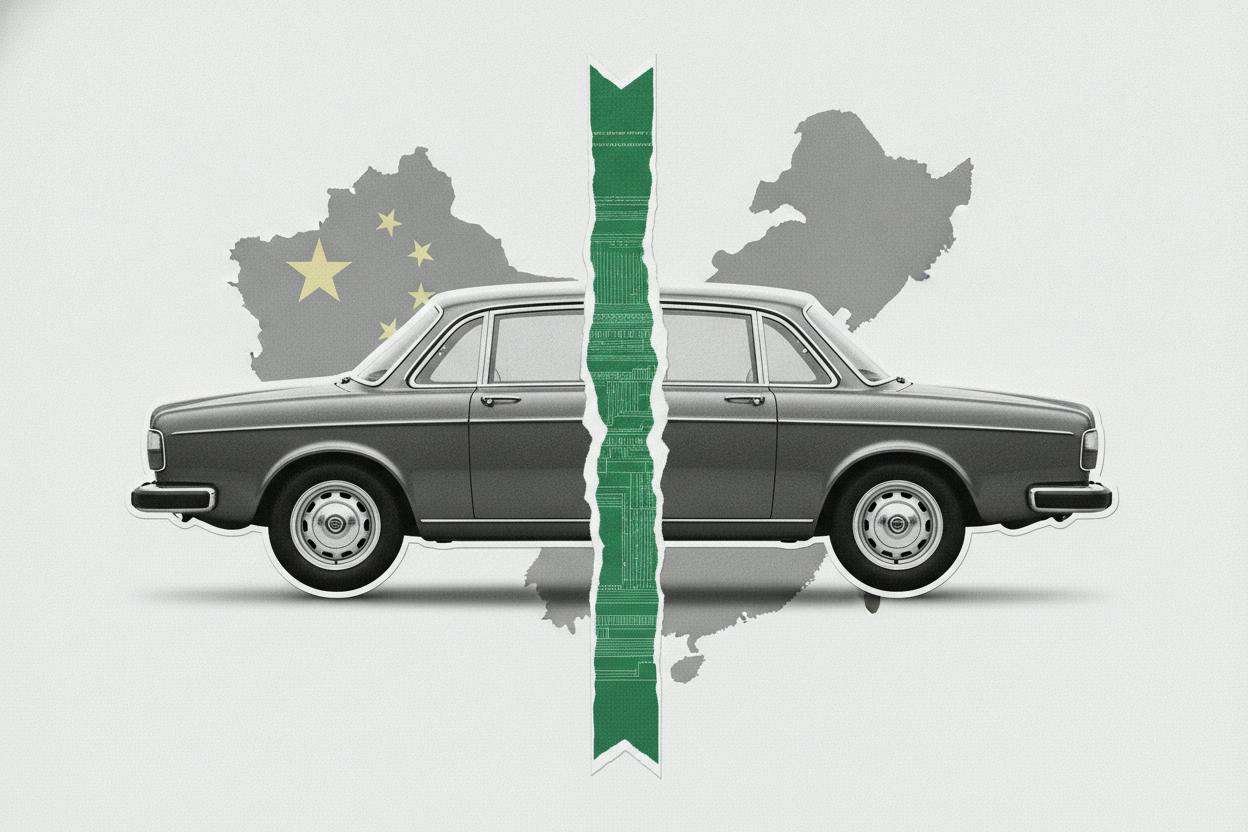
The timing is awkward because Volvo is trying to reignite growth in an environment where trade barriers are rising. The US has imposed tariffs on foreign-made cars, which makes some of Volvo's vehicles more expensive for American buyers. At the same time, demand in China has cooled, adding pressure on the company's sales volumes.
Volvo's plan: 13 new models by 2030
Management's answer to these headwinds is scale through variety. Volvo plans to launch 13 new models by 2030, a broad product push designed to lift market share and appeal to a wider range of customers. The strategy echoes a common approach in the auto industry: when demand is soft in one region or segment, a wider lineup can help offset weakness elsewhere.
However, launching that many models is costly and complex, especially when tariffs squeeze profit margins. Automakers often have to decide whether to absorb the extra costs or pass them on to consumers, and either choice carries risks. Volvo will need to balance its ambitious product roadmap with the financial realities of a tougher trading environment.
What it means for investors
For investors, the CEO transition is a signal that Volvo is planning for the long term, but it also highlights the uncertainties facing the company. Leadership changes can create short-term volatility, especially when they coincide with external pressures like tariffs and weak demand. The fact that Samuelsson is staying until the handover suggests a desire for continuity, which may reassure some shareholders.
The bigger question is whether Volvo can execute its 13-model plan without eroding profitability. Investors will be watching for updates on how the company plans to manage tariff costs and whether it can stabilise sales in China. The broader auto sector is also dealing with similar issues, as seen in EU efforts to limit Chinese hybrid exports and BYD's move to build trucks in Hungary to avoid tariffs.
Tariffs and trade tensions
Tariffs have become a central theme for global automakers. The US has imposed duties on imported vehicles, which directly affects Volvo's exports to America. While Volvo has some production in the US, many of its models are built in Europe or China, making them subject to the new levies. This adds cost and complexity to its supply chain.
In China, the story is different. The market has been slowing, and local brands like BYD are gaining ground, making it harder for foreign automakers to compete. Volvo, which is owned by China's Geely, has a strong presence there, but softer demand means it cannot rely on that market to drive growth as it once did.
What to watch next
Investors should keep an eye on several things in the coming months. First, how Volvo plans to mitigate the impact of US tariffs—whether through pricing, production shifts, or cost cuts. Second, any updates on the 13-model launch schedule and whether it stays on track. Third, how the leadership transition unfolds, including whether Zellmer brings any strategic changes.
Leadership changes at major companies often lead to shifts in strategy, and Zellmer's background in commercial operations suggests a focus on sales and market share. But he will also need to address the financial pressures that come with tariffs and a weaker China market. The next few years will be a test of whether Volvo can navigate these challenges while delivering on its ambitious product plans.
For everyday investors, the key takeaway is that Volvo is positioning itself for the long term, but the road ahead is bumpy. The company's ability to manage costs, adapt to trade barriers, and win back momentum in China will determine whether this leadership change marks a turning point or just another chapter in a difficult period.