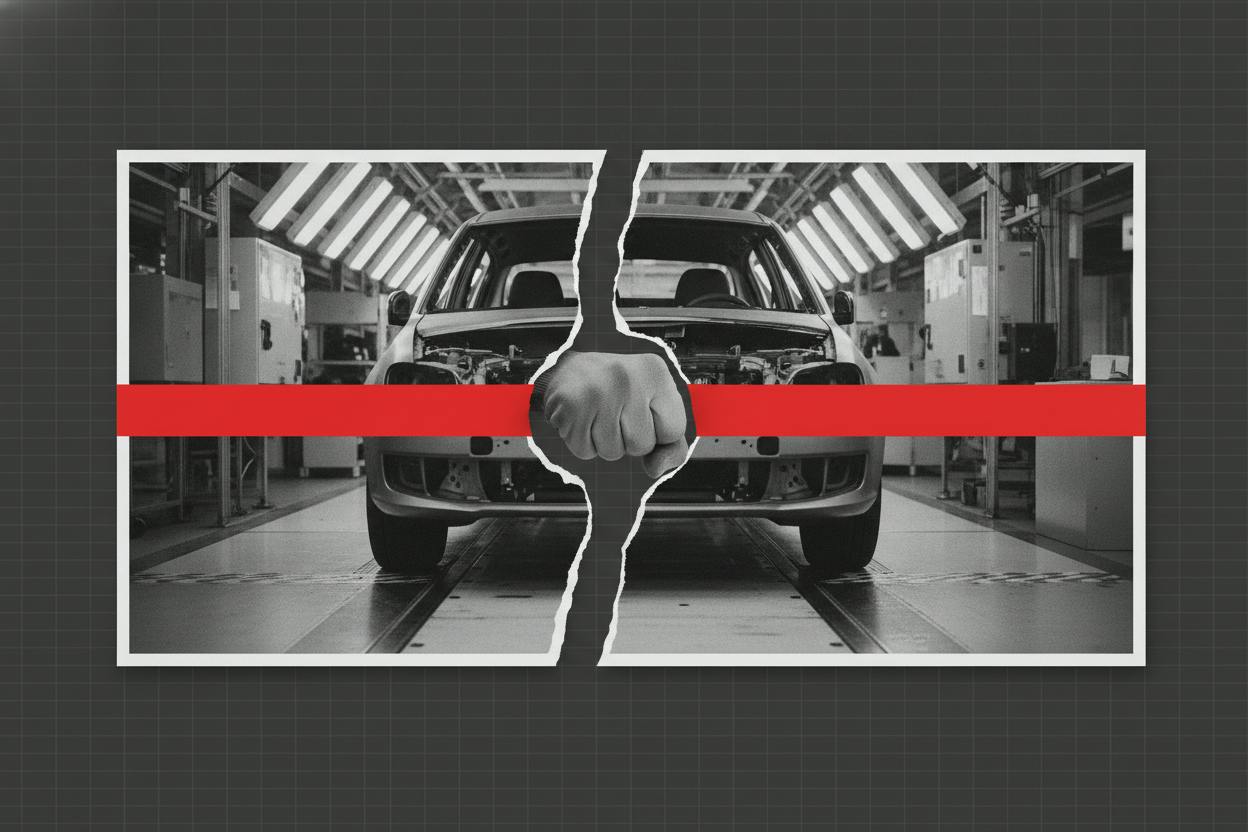
Volkswagen (VW) has terminated several wage agreements with the German union IG Metall, according to Reuters, setting the stage for tense negotiations as the union's strike truce expires on January 1. The move escalates a long-running dispute over costs and jobs at Europe's largest automaker, and it puts the risk of strikes back on the table for the new year.
What happened?
VW confirmed it has ended several collective wage agreements with IG Metall, which represents many of its workers in Germany. The termination means that, starting January 1, the union is free to call strikes if talks break down. The two sides have been at odds for months over VW's plans to cut costs, including potential plant closures and job reductions, as the company faces intense competition and a slow transition to electric vehicles.
IG Metall has vowed to fight any forced job losses or wage cuts. The union has already warned of "intense" actions if VW pushes ahead with its cost-cutting plans. The expiration of the strike truce is a critical deadline: if no deal is reached, walkouts could disrupt production at VW's German plants, which employ tens of thousands of workers.
Why does this matter?
VW is not just any company in Germany; it is a cornerstone of the country's industrial economy. A prolonged strike would not only hit VW's output and profits but also ripple through its supply chain, affecting parts makers and dealers. Germany's economy, already struggling with weak growth and high energy costs, could face another headwind if industrial action spreads.
For investors, the dispute is a key risk to watch. VW's shares have been under pressure as the company grapples with falling demand in China, its biggest market, and the costly shift to electric vehicles. The company has said it needs to cut costs to remain competitive, but unions argue that workers should not bear the burden of management's strategic missteps.
This is not the first time VW and IG Metall have clashed. The two have a history of tough negotiations, but they have usually reached last-minute deals to avoid strikes. However, the current situation is more fraught because VW is demanding deeper cuts than in the past, including the possibility of closing plants in Germany for the first time in its history.
What it means for investors
For everyday investors, the immediate impact is likely to be on VW's stock price, which could see increased volatility as negotiations progress. If strikes occur, production halts would directly hit revenue and could lead to lower earnings. On the other hand, a quick resolution might reassure markets and support the share price.
Beyond VW, the dispute is a bellwether for Germany's broader labor market and industrial competitiveness. If VW succeeds in cutting costs, other manufacturers may follow suit, potentially leading to a wave of restructuring across the country. If the union wins, it could embolden workers elsewhere to resist concessions, making it harder for German companies to adapt to global pressures.
Investors should also keep an eye on the broader European auto sector, as VW's struggles are not unique. The industry is facing a perfect storm of high costs, regulatory pressure to go electric, and fierce competition from Chinese rivals. The outcome of these talks could set a precedent for how other automakers handle similar challenges.
What to watch next
The key date is January 1, when the strike truce expires. Both sides are expected to continue negotiations in the coming weeks, but if no progress is made, IG Metall could call for warning strikes, which are short walkouts designed to put pressure on management. These are common in German labor disputes and often serve as a prelude to longer strikes.
Investors will also be watching for any signals from VW's management about the scale of cost cuts needed. The company has already announced plans to reduce its workforce and has been in talks with unions about a package that could include voluntary buyouts and reduced working hours. But the termination of wage agreements suggests that VW is prepared to take a harder line.
For now, the situation remains fluid. Both sides have a strong incentive to avoid a prolonged strike, which would be costly for everyone involved. But with the truce set to expire, the clock is ticking, and the risk of disruption is real.
Broader context
This labor dispute comes at a time when Germany's economy is already facing significant challenges. The country has been hit hard by the energy crisis, and its manufacturing sector has been struggling to compete globally. Germany's growth forecast was recently upgraded, but long-term structural problems remain, including an aging workforce and bureaucratic hurdles.
VW's situation is also tied to its struggles in China, where it has lost ground to local EV makers. The company has been trying to reverse its China sales slump with new models, but the pressure on margins is intense. In response, VW has been deepening its battery tie-up with China's Gotion to cut costs, but labor costs in Germany remain a major factor.
The outcome of the VW-IG Metall talks will be closely watched not just in Germany but across Europe, as it could signal how far companies are willing to go to protect their competitiveness in a rapidly changing global market.