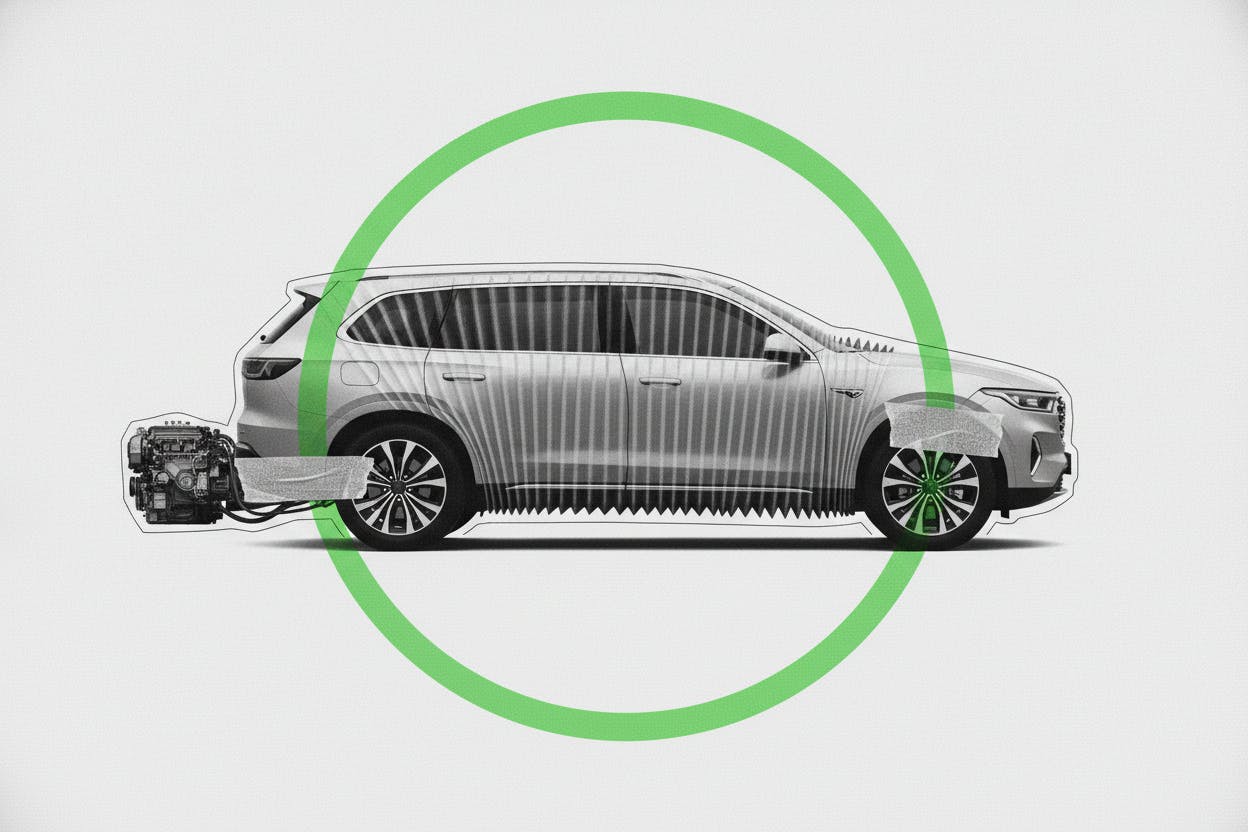
Chinese consumer electronics giant Xiaomi is expanding its electric vehicle lineup with a new family-oriented SUV, the SkyNomad N90 Max, as it works to accelerate deliveries and hit its annual sales target. The seven-seat extended-range electric vehicle (EREV) is priced at 299,900 yuan (about $41,500) and will open for pre-orders on Thursday, with first deliveries scheduled for September.
A shift toward family buyers
The SkyNomad N90 Max marks a strategic departure for Xiaomi's young EV business. The company's first model, the SU7 sedan, and the upcoming YU7 SUV both lean toward sporty performance and style. The new model targets a different audience: large families who prioritize interior space, seating capacity and range flexibility over outright speed.
An EREV, or extended-range electric vehicle, combines a battery pack with a small gasoline engine that acts as a generator to recharge the battery on the go. This design reduces range anxiety — a common concern among EV buyers — while still allowing for mostly electric driving in daily use. The format has proven popular in China, where charging infrastructure is still unevenly distributed.
By entering the seven-seat segment, Xiaomi is going after a market dominated by models from domestic rivals such as Li Auto and BYD. These vehicles are especially popular among Chinese families who take long road trips and need room for multiple passengers and luggage.
Why Xiaomi needs a hit
Xiaomi entered the car business in 2024 with ambitious plans, but the ramp-up has been uneven. According to Reuters, the company's first-half EV deliveries reached only about one-third of its annual target. That shortfall puts pressure on the company to broaden its appeal beyond early adopters and tech enthusiasts who were drawn to the SU7's smartphone-like features and sleek design.
The SkyNomad N90 Max is a direct response to that challenge. By offering a larger, more practical vehicle, Xiaomi hopes to attract a wider customer base and close the gap between deliveries and its stated goals. The company has not disclosed its exact annual delivery target, but analysts estimate it to be in the range of 100,000 to 150,000 units.
Xiaomi's EV push is part of a broader strategy to diversify beyond smartphones and smart home devices, where growth has slowed. The company has committed billions of dollars to its automotive business and is building a dedicated factory in Beijing. Success in EVs is critical to maintaining investor confidence and funding future development.
What it means for investors
For everyday investors, the SkyNomad launch is a key test of Xiaomi's ability to execute in the hypercompetitive Chinese EV market. The company has strong brand recognition, a loyal customer base and deep pockets, but it faces entrenched rivals with years of production experience and established supply chains.
The choice of an EREV rather than a pure battery-electric vehicle is notable. It suggests Xiaomi is prioritizing sales volume and practicality over cutting-edge technology. EREVs are generally cheaper to produce than long-range battery EVs and appeal to buyers who are not ready to go fully electric. That could help Xiaomi scale production faster and improve unit economics.
Investors should watch pre-order numbers closely in the coming weeks. Strong demand for the SkyNomad N90 Max could signal that Xiaomi is gaining traction beyond its initial fan base. Weak orders, on the other hand, would raise questions about whether the company can compete effectively in the mass market.
Also worth monitoring is how Xiaomi manages margins. The 299,900 yuan price point puts the N90 Max in a competitive sweet spot, but aggressive pricing could squeeze profitability. Xiaomi has historically operated on thin margins in its electronics business, and investors will want to see evidence that the EV unit can achieve sustainable profitability over time.
Broader market conditions also matter. The Chinese EV sector has been marked by a price war over the past year, with companies cutting prices to defend market share. That environment makes it harder for any single model to stand out. Xiaomi's brand strength and ecosystem of connected devices could give it an edge, but the outcome is far from certain.
For now, the SkyNomad N90 Max represents Xiaomi's most ambitious bet yet in the automotive space. Whether it helps the company hit its delivery targets will be one of the most closely watched stories in the Chinese EV market this year.