Yara International, one of Europe's largest fertilizer producers, is heading into winter with a sharply higher natural gas bill, a sign of how persistent energy costs continue to squeeze the continent's industrial sector. The Norwegian company said it expects gas costs to rise by roughly $450 million in the fourth quarter of 2026 compared with the same period a year earlier, according to Reuters, with another $445 million increase expected in the first quarter of 2027.
The jump in costs has already forced Yara to curb production at its Ferrara plant in Italy, part of a broader pullback in European fertilizer output as natural gas prices remain elevated. Gas is not just a fuel for these plants; it is also a key raw material in the production of ammonia, the building block for most nitrogen fertilizers.
Why gas prices hit fertilizer makers so hard
Ammonia production is highly energy-intensive. European producers typically rely on natural gas both to power their facilities and as a feedstock in the chemical process that creates ammonia. When gas prices spike, the cost of making ammonia rises almost immediately, and producers often respond by idling their most expensive plants first.
Yara said it curtailed 150,000 metric tons of ammonia and 115,000 tons of finished products in the third quarter, mainly at Ferrara. That left its year-to-date ammonia output about 11% lower than the same period last year. The company is not alone: peers across Europe have also trimmed production as both natural gas and carbon emissions permits stay costly.
This is a familiar pattern in the industry. When European plants cut output, the market loses what analysts often call "last-on" supply—the marginal production that only runs when prices are high enough to cover costs. With that supply gone, fertilizer prices typically rise until demand cools or imports fill the gap.
What it means for farmers and food prices
For everyday investors, the immediate takeaway is that Yara's higher gas bill is not just a company earnings issue. Because gas largely sets the cash cost of ammonia, a sustained period of high gas prices can push up fertilizer prices across the board. That can leave farmers facing higher quotes or patchier availability heading into the 2027 planting and ordering season.
And when fertilizer gets more expensive, the effects tend to ripple through the food system. Higher input costs can lead to reduced fertilizer application, which may lower crop yields. Those yield changes eventually show up in harvests and, later, in supermarket prices. In that sense, a gas bill that is hundreds of millions of dollars higher for one company can be an early warning sign for broader food inflation.
Investors watching the agricultural supply chain have seen similar dynamics play out before. When energy prices surged in previous years, fertilizer costs climbed and food inflation followed with a lag. The current situation in Europe, where gas prices remain high relative to other regions, is a reminder of how interconnected energy and food markets are.
Yara's response: looking beyond Europe
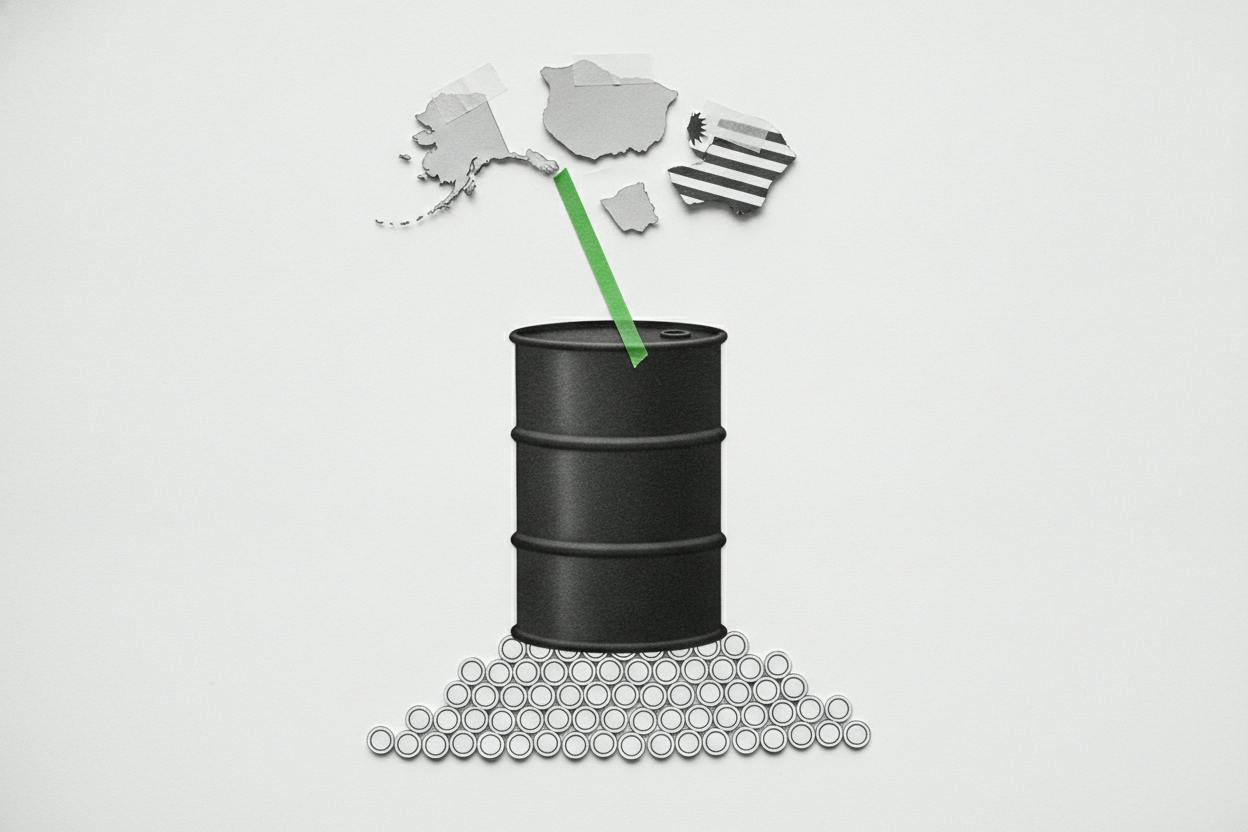
Yara is also trying to reduce its dependence on European energy markets. The company has agreed to buy Gulf Coast Ammonia's plant in Texas for $1.3 billion. Yara's CEO said the acquisition would lower the company's exposure to European energy prices once the deal closes.
The move reflects a broader trend among European manufacturers that have seen their competitive position eroded by high energy costs. By shifting some production to the United States, where natural gas is cheaper and more abundant, Yara hopes to stabilize its cost base and protect margins.
For investors, the Texas deal is a strategic hedge against the kind of winter gas bill Yara is now facing. But it also underscores the structural challenges of operating energy-intensive businesses in Europe, where gas prices and carbon costs are often higher than in other regions.
What to watch next
Investors will be watching several things in the coming months. First, how long European gas prices stay elevated. If they ease, Yara could restore some curtailed output and the cost pressure would fade. Second, whether fertilizer prices rise enough to offset the higher input costs—if they do, Yara's margins might hold up better than expected.
Third, the progress of the Gulf Coast Ammonia acquisition. If the deal closes as planned, Yara's earnings will become less sensitive to European energy swings, which could make the stock more attractive to investors who are wary of the region's cost pressures.
For now, the message from Yara is clear: winter is coming, and the gas bill is going to be big. The question is how much of that cost will be absorbed by the company, how much will be passed on to farmers, and how much will eventually reach consumers in the form of higher food prices.