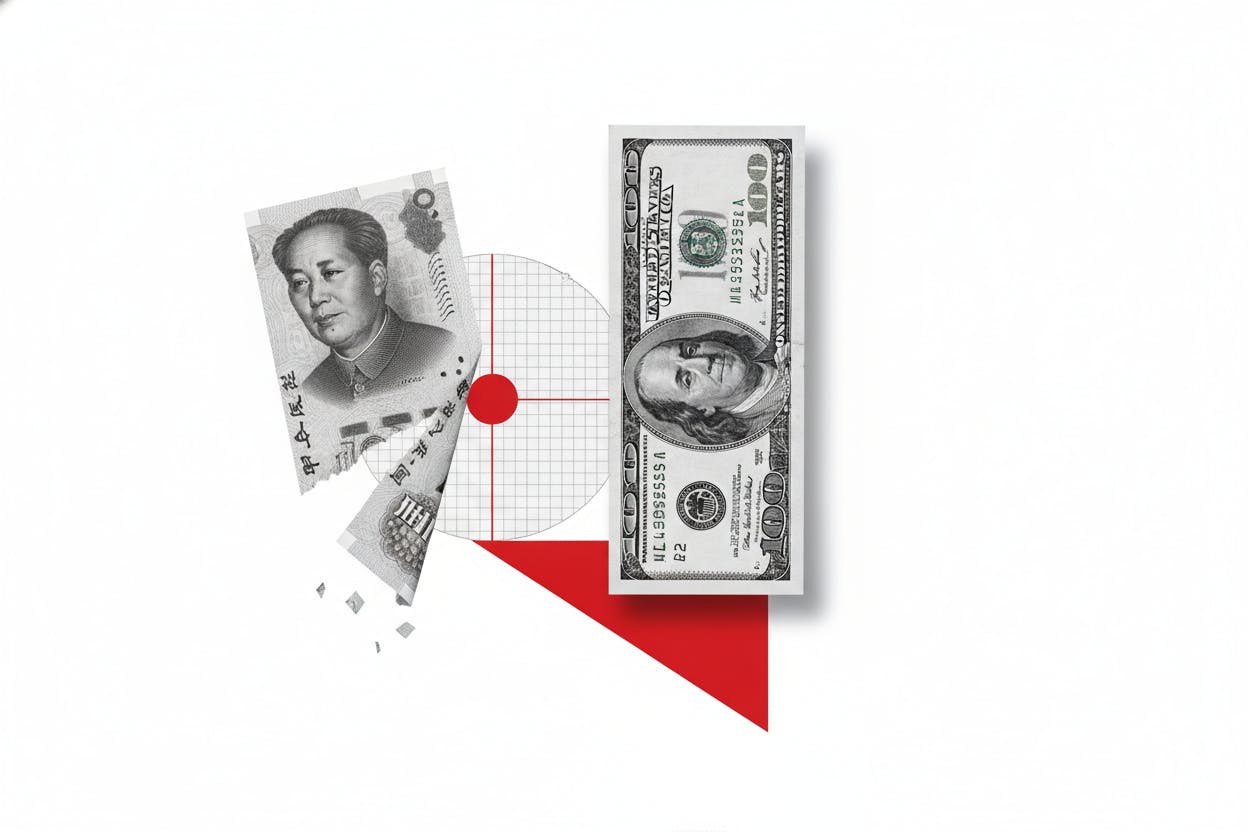
China's yuan weakened again on Friday, putting it on track for its largest weekly decline since early March. The move is driven primarily by a resurgent US dollar, which has been bolstered by hawkish comments from Federal Reserve officials and hotter-than-expected US inflation data.
What's Driving the Dollar Higher?
The core of this story is the dollar's strength. Recent US inflation figures have come in above forecasts, reducing the likelihood that the Fed will cut interest rates anytime soon. In fact, some Fed officials have signaled that another rate hike could still be on the table if inflation doesn't cool further. That hawkish stance supports the greenback, making it harder for other currencies—including the yuan—to hold their ground.
This dynamic is not unique to China. Other currencies, such as the Australian and New Zealand dollars, have also slid recently as US rate hike bets strengthen the greenback. The Aussie and Kiwi dollars slide reflects the same broad pressure from a firming dollar.
How China Manages the Yuan
Unlike many major currencies that float freely, China tightly manages the onshore yuan (CNY). The People's Bank of China (PBOC) sets a daily "midpoint" rate each morning, which acts as a reference. Spot trading is then allowed to move up to 2% above or below that level. This system gives Beijing significant control over the currency's value, but it also means the PBOC's daily fixing is closely watched by markets for signals about policy intentions.
On Friday, the PBOC set the midpoint at 6.8166 per dollar. That was 151 pips weaker than market estimates, according to Reuters. A weaker-than-expected fixing is a clear signal: it suggests officials are becoming more comfortable with gradual depreciation of the yuan, rather than defending a specific level.
What the Weaker Fixing Means for Traders
When the PBOC sets the midpoint weaker than the market expects, it effectively shifts the permitted trading band lower for the day. That widens the perceived downside corridor for the yuan, making it less attractive for traders to bet that authorities will step in to hold a particular level. In other words, "defend the yuan" bets look less reliable.
The impact often shows up more in hedging activity than in the spot rate itself. Traders and corporations tend to lean more on USD/CNH forwards and options—contracts that lock in or insure against future exchange rates. This can keep pressure on the offshore yuan (CNH) and lift the price of that protection, even if day-to-day moves in the onshore rate appear modest.
This pattern is similar to what we've seen in other currencies under pressure. For example, the Canadian dollar stayed stuck near tariff-era lows as a widening yield gap weighed on the loonie, even as oil prices bounced.
What It Means for Investors
For everyday investors, the weakening yuan has several implications. First, it makes Chinese exports cheaper for foreign buyers, which could benefit companies that sell goods to China or compete with Chinese exporters. But it also makes imports from China more expensive for US consumers, potentially adding to inflationary pressures.
Second, a weaker yuan can affect global commodity markets. China is the world's largest importer of many raw materials, including soybeans and gold. A cheaper yuan means Chinese buyers have less purchasing power, which can weigh on commodity prices. Indeed, gold headed for its fourth weekly drop as the strong dollar and rate hike bets weighed on the precious metal.
Third, the PBOC's signal of comfort with gradual depreciation could encourage more Chinese companies to hedge their dollar exposure, which in turn can affect currency markets globally. Investors with exposure to emerging market assets should watch for further yuan weakness, as it often triggers broader risk-off sentiment in developing economies.
What to Watch Next
Markets will be watching for any further comments from Fed officials that could reinforce dollar strength. They'll also monitor the PBOC's daily fixings for signs of a shift in policy. If the midpoint continues to come in weaker than estimates, it would confirm that Beijing is willing to let the yuan drift lower gradually.
For now, the yuan's slide is a reminder that in a world of strong dollar dynamics, even tightly managed currencies are not immune to pressure. The PBOC has tools to slow the decline, but it appears increasingly willing to let market forces play a larger role.