Adobe is pushing deeper into artificial intelligence, announcing plans to add AI “agents” across its creative and marketing software, including Photoshop, PDFs and its GenStudio marketing platform. The company is also widening partnerships with Google, Microsoft and Disney to embed more AI models and integrations into its apps.
The move signals a strategic shift: instead of treating AI as a one-off feature, Adobe wants it woven into the entire workflow. From editing and versioning to campaign production, routine steps could become automated, letting creators and marketers focus on higher-level decisions.
From closed system to open platform
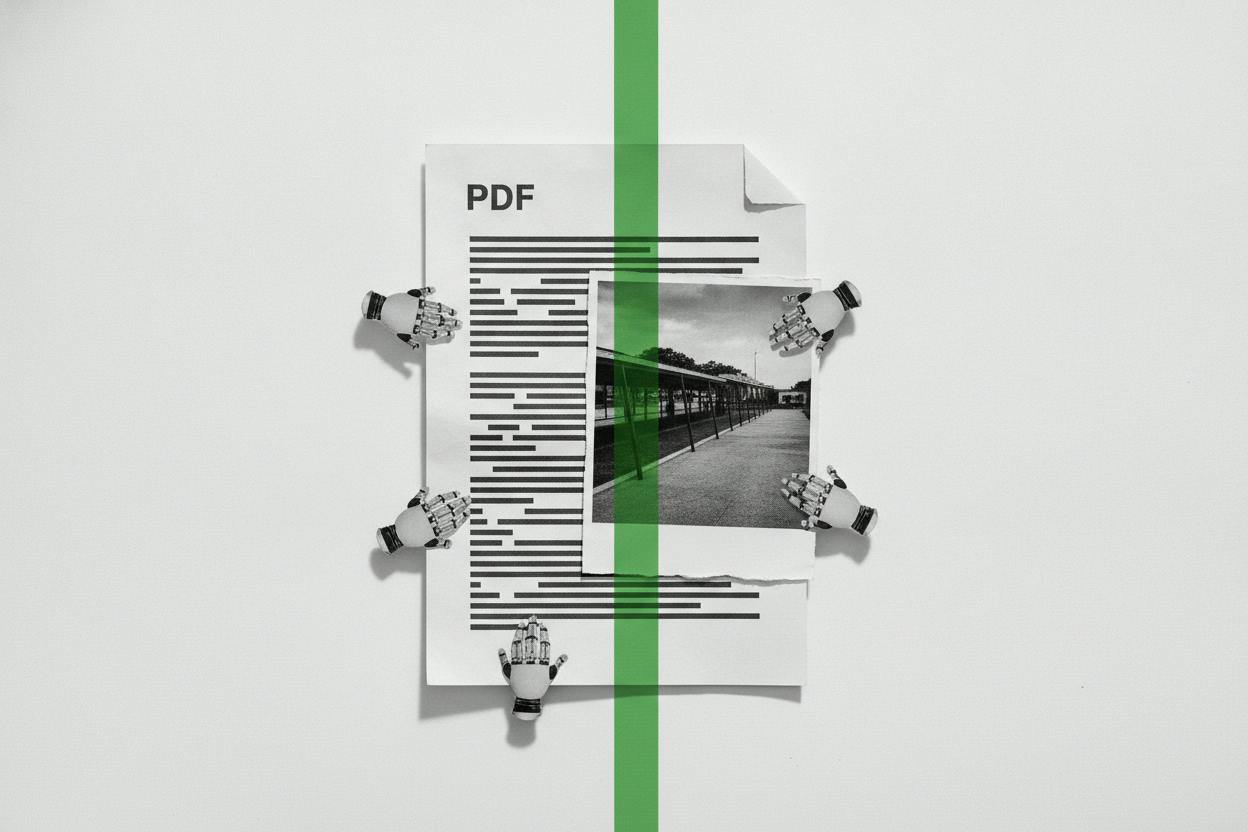
Perhaps the most significant change is that Adobe will allow third-party AI agents to work directly with files in core applications like Photoshop, Illustrator, Premiere and After Effects. This effectively opens Adobe's formats to outside AI, turning its software into a platform where external models can operate, rather than a closed ecosystem.
For everyday users, this could mean more choice. Instead of being locked into Adobe's own AI tools, you might use a third-party assistant to edit an image or generate a draft, all within the familiar Photoshop interface. The underlying file formats and processes remain Adobe's, which is exactly the point.
Adobe is also leaning on partnerships to distribute its tools more widely. An expanded deal with Alphabet's Google will place Adobe creative and PDF tools inside Google products, while making Google's AI models available within Adobe apps. A Microsoft partnership aims to integrate Adobe Express into Microsoft Photos and extend support to Arm-based Windows computers, putting Adobe tools in more “default” user flows. And a multiyear alliance with Disney will bring Adobe's AI into concept development across Disney's innovation labs, parks and cruise operations.
Why the strategy matters for investors
For investors, the key takeaway is that Adobe is trying to make the workflow stickier than the AI model itself. By opening its files to third-party agents, Adobe is betting that its real moat is where work happens, not which AI model is hottest this quarter.
If creation and approvals happen directly inside Photoshop and PDF workflows, customers can switch between AI assistants more easily than they can switch away from the underlying file standards and processes. That could help Adobe defend usage and pricing power across Creative Cloud, Firefly and GenStudio, even as AI assistants outside Adobe become cheaper and more capable.
The Google and Microsoft integrations add another layer: they place Adobe tools in everyday entry points, so more content starts “in-place” on Adobe formats. This is a classic distribution play, similar to how AI shopping agents are forcing retailers to rethink their ad strategies — the goal is to be where the action is, not just offer a standalone product.
Adobe's approach also echoes a broader trend in the industry. As banks put AI agents on a token budget as costs climb, companies are realizing that AI's value depends on integration and efficiency, not just raw capability. Adobe's focus on workflow automation and third-party compatibility is a bet that the future of creative software is open, but still anchored to its formats.
For Disney, the partnership is about more than just tools. It's a sign that Adobe wants to be embedded in large enterprise content pipelines, not just individual desktops. As Disney and Adobe team up to build private AI models for its studios, the collaboration could set a template for how media giants adopt AI in production.
What to watch next
Investors should watch how quickly these integrations roll out and whether they translate into higher usage or pricing power. Adobe faces competition from cheaper AI tools, but its strength has always been the ubiquity of its software in professional workflows. If the new AI agents make those workflows more efficient, it could reinforce Adobe's position.
On the other hand, opening its platforms to third-party AI could also invite more competition. If outside agents become good enough, some users might question why they need Adobe's own AI at all. Adobe's answer seems to be that the file formats and the workflow are the real value, not the model.
For now, the announcement is a clear signal that Adobe is betting big on AI as a way to deepen customer loyalty. Whether that bet pays off will depend on execution, but the strategy is a logical response to a rapidly changing landscape.