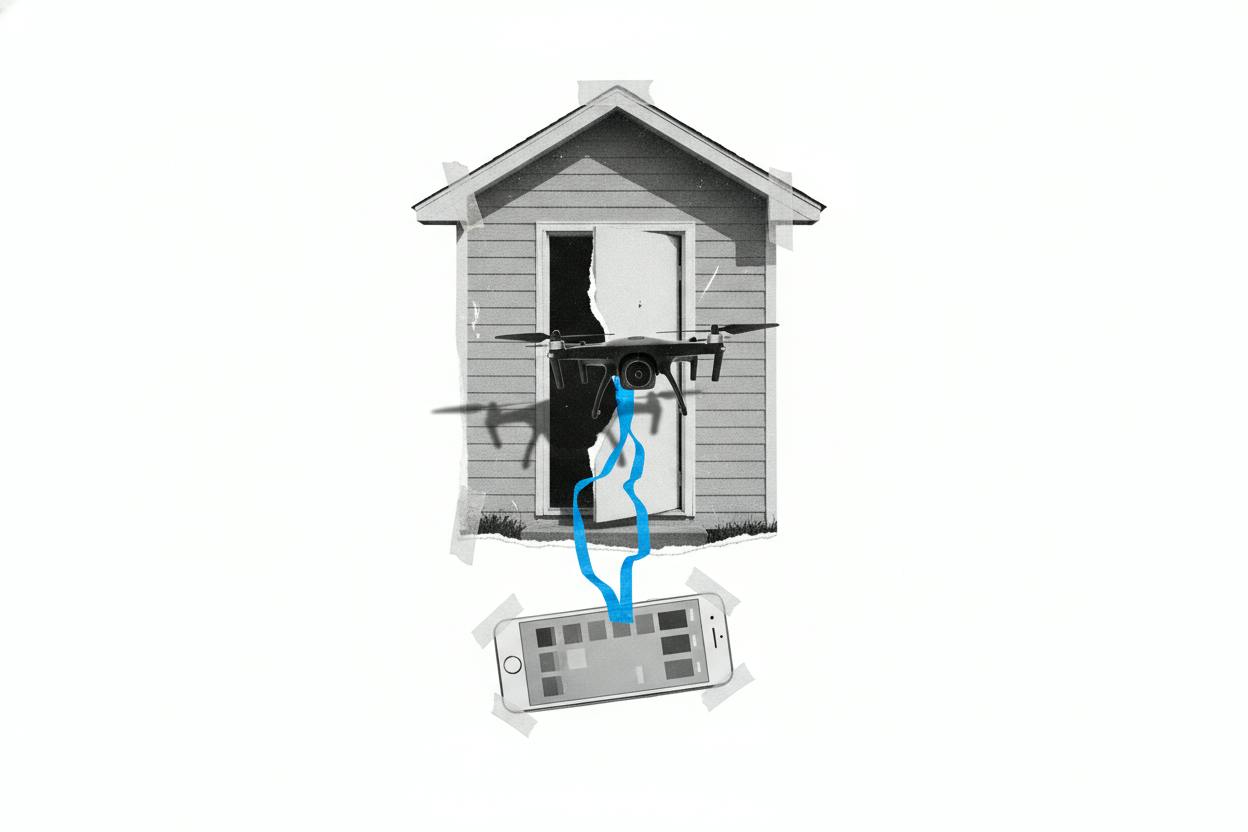
Amazon's Ring, the company best known for its video doorbells, is pushing further into the security market with two new AI-powered robots. The Ring Drone Cam, a flying indoor camera for homes, and the Ring Rover Cam, a roaming camera aimed at businesses, are set to ship in the coming weeks. According to Reuters, the Drone Cam will cost $249.99 and start shipping on January 27, while the Rover Cam is priced at $999.99 and will ship on December 16 in the US.
The move marks a significant shift for Ring, which has built its name on fixed cameras and doorbells. With these new devices, the company is betting that a single moving camera can replace the need for multiple stationary ones, offering broader coverage from one unit.
How the AI robots work
Both devices run on what Amazon calls its AI Pilot software. This system combines on-device sensors with cloud computing to map indoor spaces, choose patrol routes, and avoid obstacles like furniture or people. Instead of installing several cameras to cover different angles, a user can let one camera move around and check multiple areas on command.
For the Drone Cam, that means preset flight paths or the ability to respond when an alarm is triggered. The Rover Cam, designed for small businesses, can roam and monitor larger spaces. Both are controlled through the Ring app, which already manages cameras, alarms, and sensors in many homes and businesses.
This fits Ring's broader strategy: sell the hardware, then keep customers inside its ecosystem of connected security products. By adding moving cameras, Ring is trying to make its system more versatile without requiring users to buy multiple fixed units.
What it means for everyday investors
For consumers, the appeal is clear. Instead of paying for a separate camera in every room or hallway, one device can cover several areas. That could lower the cost of comprehensive security coverage. But there's a trade-off. Both the Drone Cam and the Rover Cam depend heavily on AI Pilot's mix of local sensors and cloud processing. That means your Wi-Fi connection, the Ring app, and Amazon's cloud services become part of the security system itself. If your internet goes down or the app has issues, your security coverage could be affected.
For investors, this is a reminder of how tech giants like Amazon are using AI to expand into everyday products. The security market is competitive, with players like Google's Nest and Arlo also offering smart cameras. Ring's move into robots could pressure rivals to innovate or lower prices. It also shows Amazon's willingness to invest in hardware that drives recurring revenue through subscriptions, such as cloud storage for video footage.
Amazon has been expanding its drone ambitions beyond security. The company recently won UK approval to expand drone deliveries in Darlington, and other firms are also pushing into drone-based services. This new product line is a separate but related step, using similar technology in a different setting.
For investors watching Amazon, the key question is whether these devices will become a meaningful revenue stream or remain a niche product. Ring is already a well-known brand, and adding AI robots could attract new customers. But the price points are higher than typical security cameras, which might limit adoption.
Analysts will likely watch early sales and reviews to gauge demand. If the Drone Cam and Rover Cam prove popular, they could strengthen Ring's position in the smart home market. If not, they may be seen as a novelty.
For now, the launch signals that Amazon sees AI as a way to differentiate its security products. The company is betting that moving cameras, guided by AI, will be more appealing than adding more fixed units. That could change how people think about home and business security.
As with any new tech, early adopters will be the test. The December and January shipping dates mean we'll soon see how these devices perform in real homes and businesses. For investors, it's a story worth watching, especially as Amazon continues to integrate AI across its product lineup.