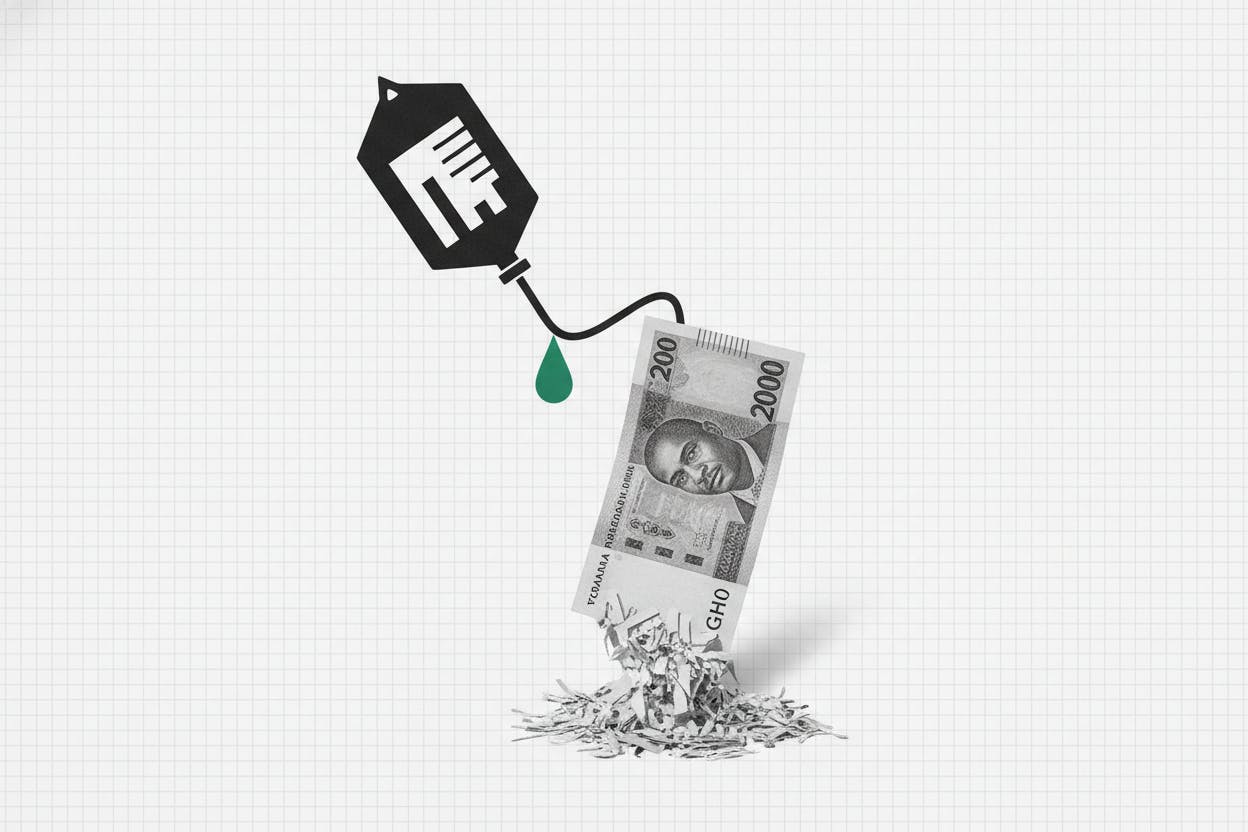
Most major African currencies are expected to trade in tight ranges this week, offering a breather for investors in the region. However, Ghana's cedi remains under pressure as the country's central bank reduces its dollar support, a move that could have broader implications for inflation and import costs.
What's Driving the Calm?
Traders surveyed by Reuters expect Nigeria's naira, Uganda's shilling, Zambia's kwacha, and Kenya's shilling to stay roughly range-bound through next Thursday. In Nigeria, the naira has been holding near 1,375 per US dollar on the official market, with traders watching whether central bank dollar sales remain steady as midyear profit-taking fades. Uganda's shilling has firmed slightly, and traders believe softer importer demand could keep it stable. Zambia's kwacha is getting some support from improving mining output and foreign-currency inflows, even after a small weekly slip. Kenya's shilling has also been steady around 129 per dollar, helped by a tighter balance between dollar supply and demand.
This relative stability comes amid a broader backdrop of global uncertainty, with investors awaiting US jobs data and other economic indicators that could influence the Federal Reserve's interest rate decisions. For African currencies, a weaker dollar globally often provides a tailwind, but local factors remain key.
Ghana's Cedi: A Different Story
Ghana's cedi, trading at 11.34 per dollar, is losing a key backstop as the central bank steps back from supplying dollars to the market. In June, the Bank of Ghana added an extra $811 million beyond its targeted $1.2 billion in FX support, effectively smoothing currency swings. But in July, the bank plans to intermediate less foreign exchange, with support dropping to $1 billion, according to Reuters.
When a central bank supplies dollars, it can meet demand that would otherwise weaken the currency. With fewer official dollars at the margin, the exchange rate has to do more of the balancing—usually through a gradual depreciation rather than a one-off jump. This matters because a weaker cedi raises the local-currency cost of imported goods and business inputs, making it harder for inflation to cool quickly. Ghana has been grappling with elevated inflation, and a weaker currency could complicate the central bank's efforts to bring prices under control.
What It Means for Investors
For everyday investors, currency movements can have a direct impact on portfolios. A weakening cedi, for example, means that any investments denominated in local currency lose value when converted to dollars. It also makes imported goods more expensive, which can squeeze household budgets and corporate profits.
In Nigeria, the naira's stability is a positive sign, but traders are watching closely to see if the central bank maintains its dollar sales. Any reduction could put pressure on the currency, similar to what Ghana is experiencing. Uganda and Kenya's currencies, meanwhile, are benefiting from softer demand and improved dollar supply, but they remain vulnerable to global shocks.
For those invested in African markets, the key takeaway is that currency stability is not guaranteed. Central bank interventions can provide temporary relief, but structural factors like export earnings, foreign investment flows, and inflation dynamics ultimately determine a currency's trajectory. Investors should also keep an eye on global developments, such as US jobs data and oil prices, which can influence capital flows to emerging markets.
In related news, African markets are weighing the impact of an oil slide and US jobs data on Ghana's rising inflation. Meanwhile, South African inflation expectations have jumped after an oil shock, pressuring the central bank. And Shell is nearing a $1 billion sale of its South African fuel stations to Adnoc, a deal that could reshape the region's energy landscape.
The Bottom Line
While most African currencies are enjoying a quiet week, Ghana's cedi serves as a reminder that central bank support can only go so far. Investors should monitor currency trends closely, as they can have a significant impact on returns and purchasing power. As always, diversification across currencies and asset classes can help mitigate risk.