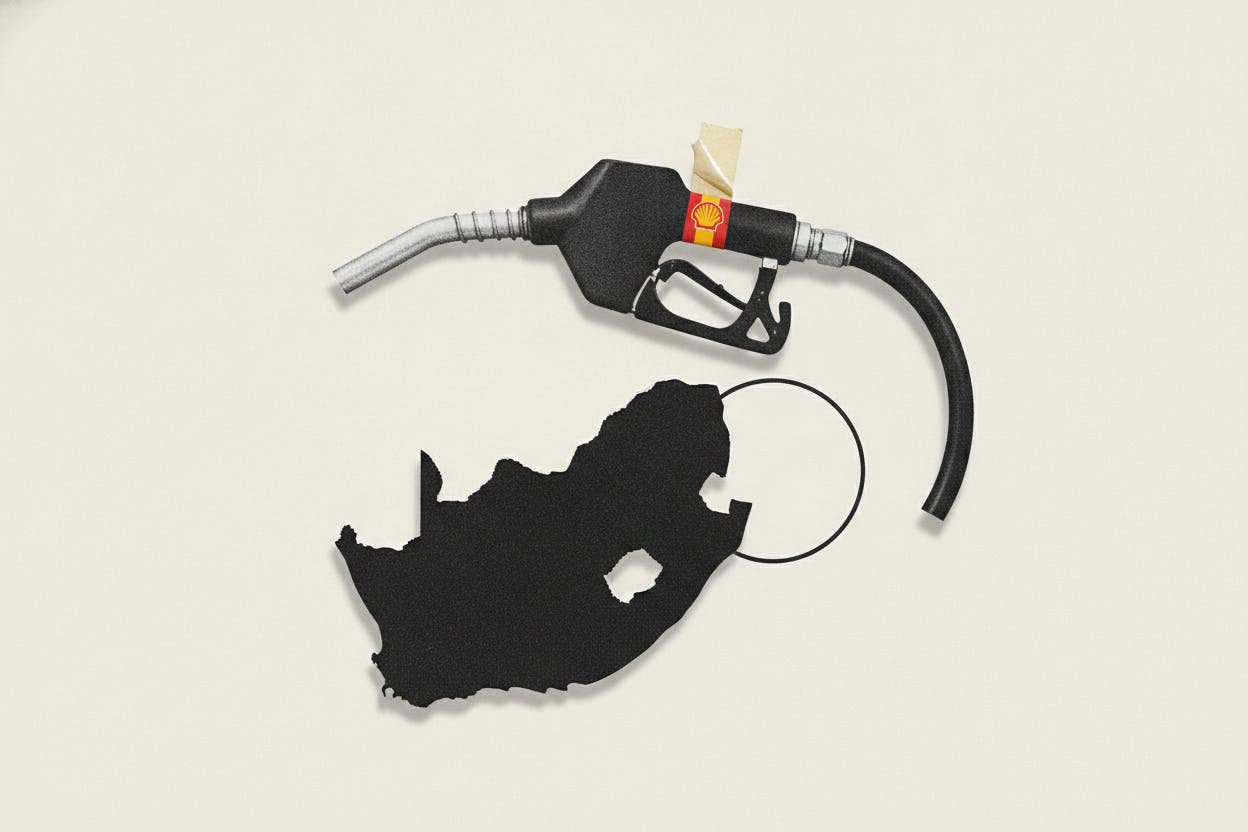
Energy exchange-traded funds (ETFs) ticked higher in premarket trading Tuesday following a Bloomberg report that Shell is nearing a deal to sell more than 600 fuel stations in South Africa to the retail arm of Abu Dhabi National Oil Company (Adnoc) for roughly $1 billion. The news comes as oil majors continue to reshape their portfolios, shedding lower-margin downstream assets to focus on higher-return opportunities.
What the Deal Involves
Shell, one of the world's largest oil and gas companies, operates a vast network of fuel stations across Africa. The reported sale would transfer ownership of over 600 retail outlets in South Africa to Adnoc's retail division, which is expanding its footprint beyond the Middle East. For Shell, this is part of a broader strategy to simplify its business and improve cash generation.
Fuel retail is typically a steady but relatively low-margin business, with significant operating costs tied to logistics, staffing, and compliance. By selling a mature network, Shell can free up capital and reduce complexity. This process, often called "capital recycling," allows the company to redirect funds toward projects with better long-term economics, such as exploration, renewable energy, or debt reduction.
Why It Matters for Investors
For everyday investors, the key takeaway is not the headline price but what it signals about Shell's direction. When an oil major sells downstream assets like fuel stations, it is usually a bet that the company will be judged less on how many barrels it produces and more on how efficiently it turns its asset base into cash. If the sale goes through, Shell can either reinvest the proceeds in higher-return projects, pay down debt, or keep overall spending tighter—all of which can improve return on capital, a measure of how much profit the company generates per dollar invested.
The initial market response was muted: Shell shares were only slightly higher in premarket trading, suggesting investors are waiting to see what Shell does with the money and whether more portfolio pruning follows. The deal's biggest impact may be on Shell's valuation narrative rather than next quarter's earnings.
This trend is not unique to Shell. Across the energy sector, major companies are under pressure from investors to demonstrate discipline and generate strong cash flows, especially after years of volatile oil prices. Similar moves have been seen in other industries, such as Panasonic's focus on US battery supply chains and SAS's fleet renewal, where companies are streamlining operations to adapt to changing market conditions.
Broader Market Context
The slight uptick in energy ETFs reflects broader optimism in the sector, which has been supported by relatively stable oil prices and ongoing geopolitical tensions. However, investors should note that such deals are often complex and can take months to finalize, with regulatory approvals and other hurdles. The sale to Adnoc, a state-owned oil company from the United Arab Emirates, also highlights the growing role of Middle Eastern players in global energy markets.
For those tracking the energy space, the key question is whether Shell will use the proceeds to boost shareholder returns through dividends or buybacks, or invest in growth areas like renewables. The answer will shape how the market values the stock going forward.
In the meantime, the news serves as a reminder that oil majors are in a period of transition, focusing on efficiency and cash generation over sheer size. For investors, understanding these strategic shifts can help in evaluating the long-term prospects of energy stocks.