Canada's provincial governments are set to post a smaller combined deficit than previously feared, thanks largely to a windfall from higher oil prices in Alberta. In a note released Thursday, BMO Capital Markets estimated that the provinces will run a combined C$35.6 billion deficit in fiscal year 2026-27, an improvement from the prior year's figure.
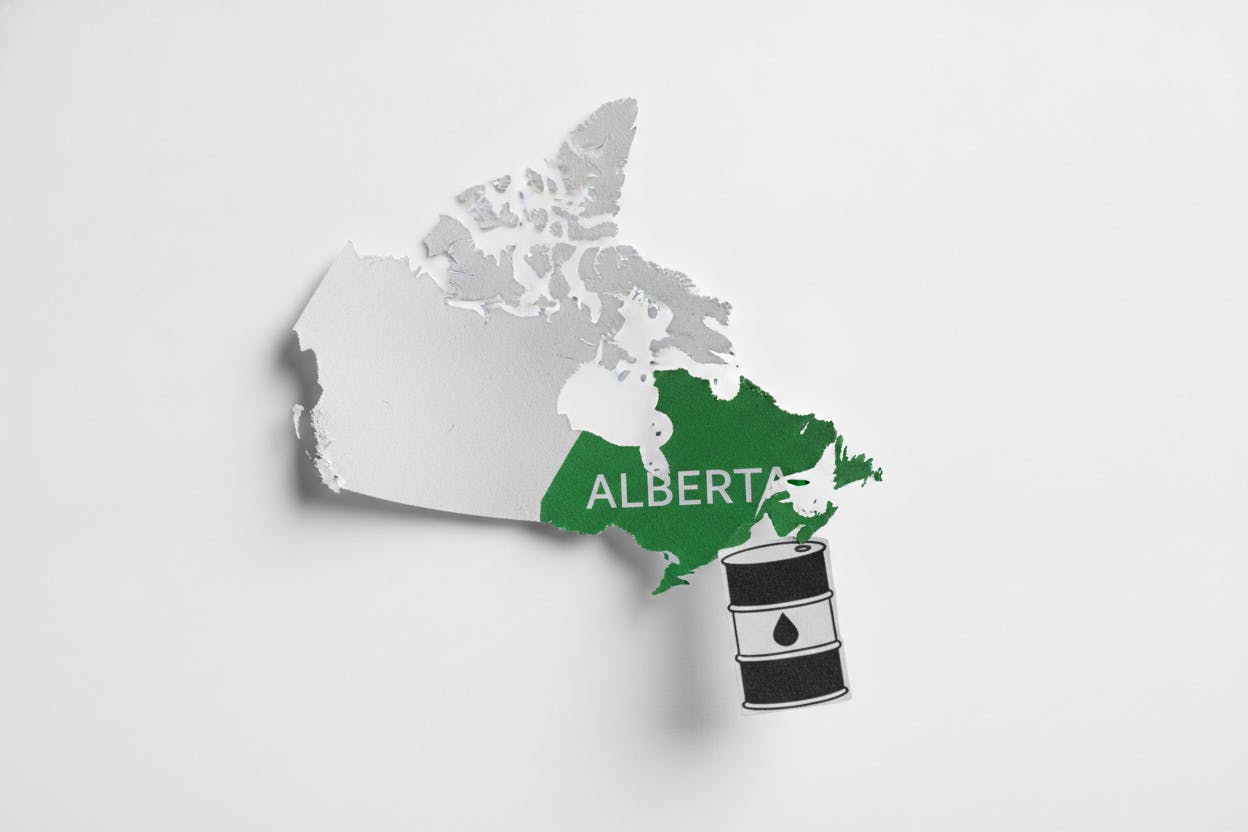
The swing factor is Alberta, Canada's main oil-producing province. BMO now expects Alberta to record a surplus of roughly C$2 billion, a sharp turnaround from the C$9 billion deficit the province had penciled into its 2026 budget. That flip is almost entirely due to higher oil prices, which boost the provincial government's royalty and tax revenues.
Why Alberta's numbers matter
Alberta's finances are uniquely tied to energy markets. When oil prices rise, the province collects more revenue from royalties on oil and gas production, as well as from corporate taxes on energy companies. When prices fall, those revenues can evaporate quickly, leaving the province with a budget hole.
That volatility is why Alberta's budget outlook can shift so dramatically from year to year. The province's own budget, released earlier this year, assumed a more conservative oil price, which is why it projected a C$9 billion deficit. BMO's more optimistic view reflects recent strength in crude prices.
The improvement in Alberta's fiscal position is a reminder of how resource revenue can change a government's bottom line. It also helps explain why the overall provincial deficit picture is looking better than it did a year ago, even as other provinces continue to struggle with spending pressures and slower economic growth.
What this means for the broader economy
Provincial deficits matter for more than just government accountants. They affect borrowing costs, public services, and the overall health of the Canadian economy. When provinces run large deficits, they typically need to borrow more money, which can put upward pressure on interest rates and crowd out private investment.
A smaller combined deficit is generally positive for the economy, as it suggests governments are getting their finances in order. But the improvement is not uniform across the country. While Alberta is benefiting from oil, other provinces are still grappling with the fallout from US tariffs on Canadian goods, which have hit manufacturers and exporters hard.
The Bank of Canada has also flagged fresh inflation risks and the impact of tariffs and oil price volatility on the economic outlook. Those factors could weigh on provincial revenues in the coming years, even if oil prices stay elevated.
What it means for investors
For everyday investors, the provincial fiscal picture is a backdrop rather than a direct driver of stock picks. But it does offer clues about the direction of the Canadian economy and government bond markets.
When provinces run smaller deficits, they tend to issue less debt, which can support bond prices. It also signals that governments are in a better position to manage future shocks, such as an economic downturn or another trade dispute.
For those with exposure to Canadian equities, the news is a mild positive for energy-related stocks, since higher oil prices are the reason for Alberta's turnaround. However, investors should remember that oil prices are volatile and can reverse quickly, as recent market moves have shown.
BMO's estimate is just one forecast, and actual results will depend on where oil prices go from here. But the trend is clear: Alberta's oil wealth is helping to narrow the country's fiscal gap, even as other provinces continue to face headwinds.
For now, the provincial deficit picture looks a bit brighter, but the underlying risks—tariffs, inflation, and energy price swings—remain. Investors would do well to keep an eye on both oil markets and the federal-provincial fiscal dance in the months ahead.