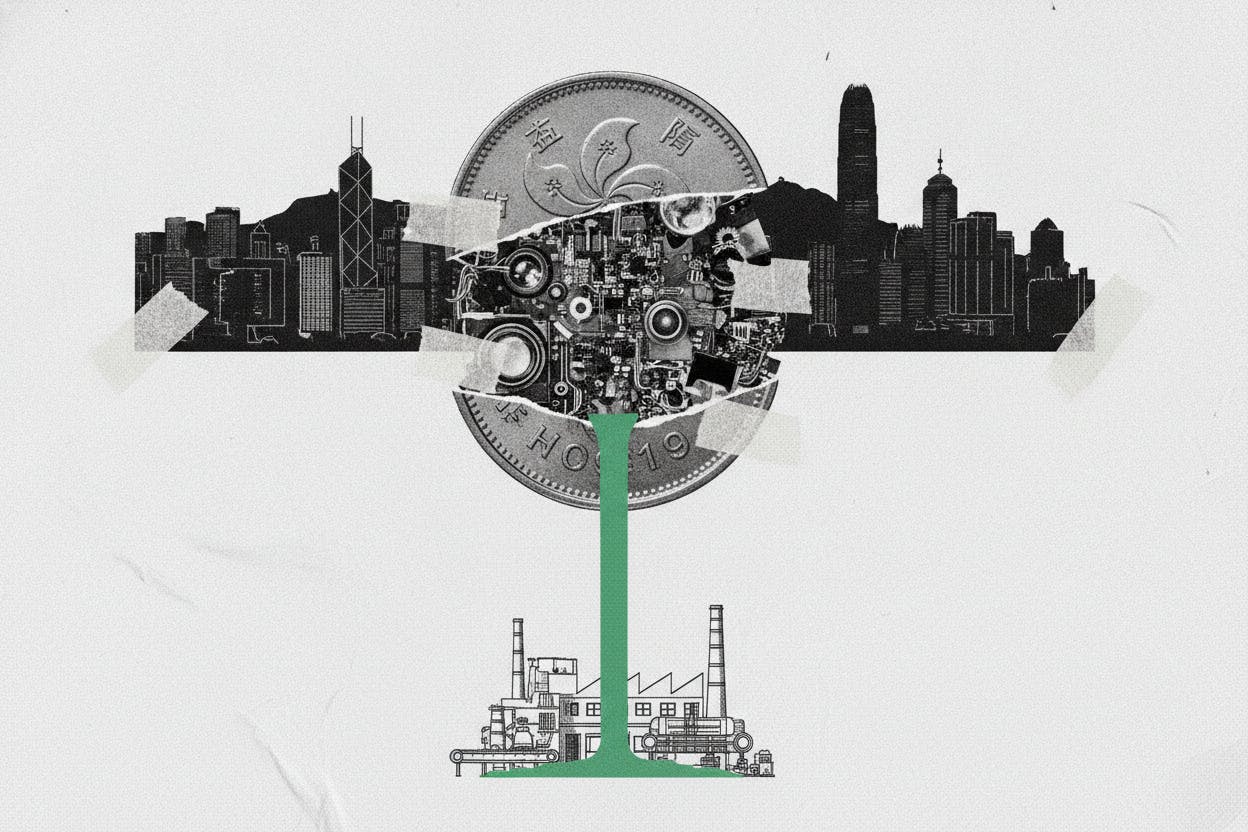
Big Tech's chip and artificial intelligence story accelerated on multiple fronts today. Apple and Broadcom have signed a major chip deal expected to be worth more than $30 billion through 2031, while OpenAI prepares to launch its next model, GPT-5.6. At the same time, China has issued a security warning tied to Anthropic's tooling, adding a geopolitical layer to the AI race.
Apple and Broadcom Deepen Chip Partnership
Apple has tapped Broadcom for a chip deal likely worth more than $30 billion, extending their partnership through 2031. The deal involves custom chips for Apple's devices, including components for wireless connectivity and other key functions. Broadcom will also expand its Colorado factory to support the increased production, as reported in Apple and Broadcom Sign $30 Billion Chip Deal Through 2031, Expand Colorado Factory.
This is not Apple's first major chip partnership. The company has long worked with suppliers like TSMC for its A-series and M-series processors. But the Broadcom deal underscores Apple's strategy of locking in long-term supply for critical components, reducing reliance on a single supplier and securing pricing in a volatile semiconductor market.
For everyday investors, this deal signals that Apple sees sustained demand for its devices and wants to control its chip supply chain. Broadcom, meanwhile, gains a massive, predictable revenue stream. The deal also highlights the growing importance of custom chips in consumer electronics, where companies like Apple and Google design their own silicon to differentiate their products.
OpenAI Preps GPT-5.6 Launch
OpenAI is lining up a launch for GPT-5.6, the next iteration of its large language model. The company has been rolling out updates to its GPT series at a rapid pace, with each version improving reasoning, accuracy, and the ability to handle complex tasks. GPT-5.6 is expected to build on the capabilities of GPT-5, which was released earlier this year.
The launch comes as OpenAI continues to scale its operations. The company recently secured a $520 million credit line from Bank of America ahead of a potential IPO, signaling that it is preparing for a public listing. OpenAI's rapid model releases are part of a broader race with competitors like Google DeepMind, Anthropic, and Meta to dominate the AI landscape.
For investors, the GPT-5.6 launch is a reminder that the AI arms race is accelerating. Companies that can deliver the most capable models will likely capture the most enterprise and consumer adoption. But the costs are enormous—training these models requires massive computing power, often using chips from Nvidia or custom designs from companies like Broadcom.
China Flags Anthropic Security Risk
China has flagged a potential security risk tied to Anthropic's tooling, adding a geopolitical dimension to the AI story. Anthropic is a U.S.-based AI safety company that develops the Claude series of models. The Chinese government's warning suggests that it sees potential vulnerabilities in Anthropic's software that could be exploited, or that it is concerned about the company's influence in the region.
This is not the first time China has raised concerns about foreign AI tools. The country has strict regulations on AI and data security, and it has previously blocked or restricted access to models from OpenAI and Google. The warning could lead to tighter controls on Anthropic's tools in China, potentially limiting its market there.
For investors, this highlights the regulatory risks facing AI companies. As AI becomes more integrated into daily life and business operations, governments around the world are scrutinizing its safety, bias, and security implications. Companies that fail to address these concerns could face restrictions that hurt their growth prospects.
What It Means for Investors
The day's events underscore the interconnected nature of the chip and AI industries. Apple's deal with Broadcom shows that demand for custom chips is strong, driven by the need for specialized hardware to run AI applications. OpenAI's model launch signals that the AI software race is heating up, while China's warning on Anthropic reminds investors that geopolitical risks are never far away.
For everyday investors, the key takeaway is that the AI boom is not just about software companies. It also benefits chipmakers like Broadcom, which provide the underlying hardware. The demand for chips is also boosting other sectors, such as lithium exports from Chile, which nearly tripled to $3.2 billion on EV and data center demand. And it is driving investment in infrastructure, as seen in UBS's analysis that Starship could turn SpaceX into an AI infrastructure giant worth $660 billion by 2031.
Investors should watch for further developments in chip supply deals, AI model releases, and regulatory actions. The pace of change in this sector is rapid, and staying informed is key to understanding how these trends might affect portfolios.