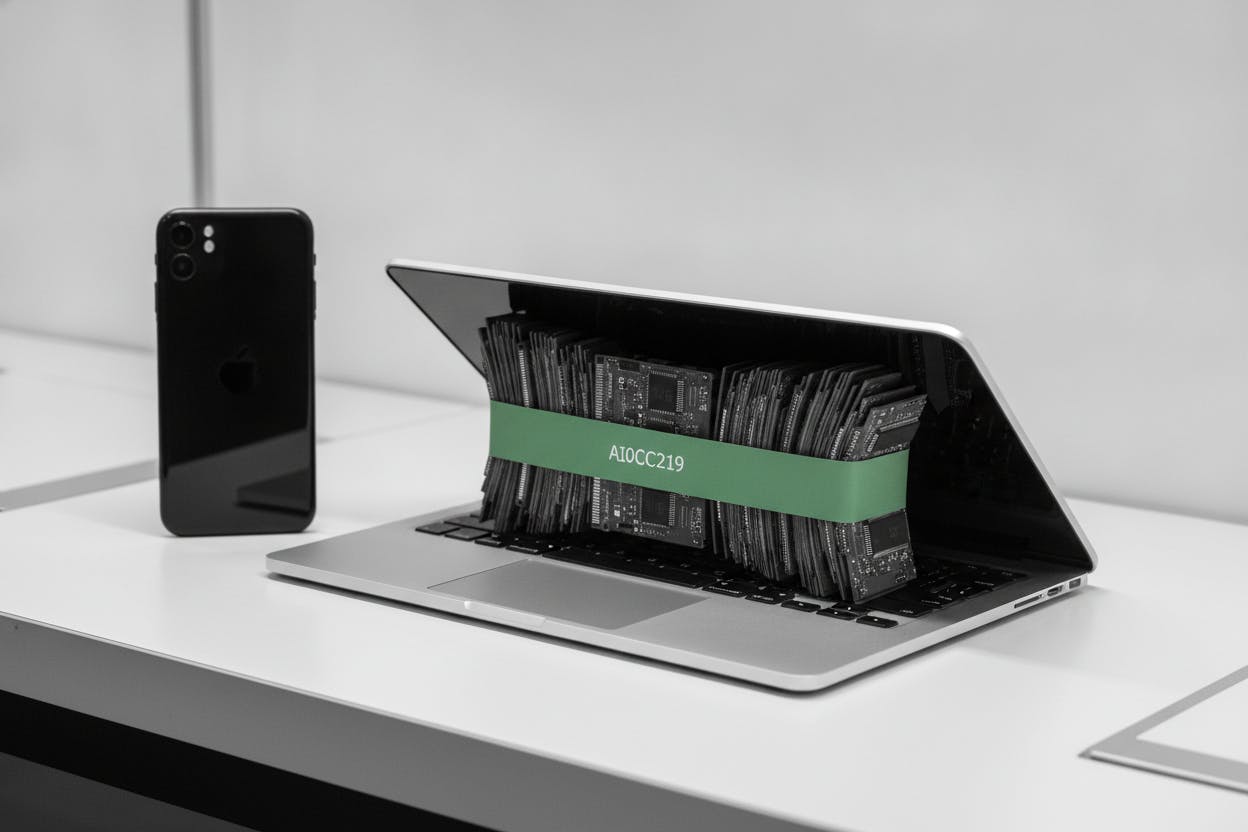
Apple has started raising prices on select iPads and Macs, acknowledging it can no longer absorb the steep increase in memory and storage chip costs. The move comes as a surge in demand from AI data centers drives up prices for DRAM and NAND flash memory, key components in many of its devices.
What’s behind the price hike?
The trigger is a dramatic run-up in DRAM, a type of memory chip used in computers and tablets. According to industry analyst TrendForce, DRAM prices rose as much as 98% in the first quarter of 2026 and were expected to climb another 58% to 63% in the current quarter. The spike is largely due to big AI buyers locking in long-term supply deals, squeezing availability for other customers.
Apple had already warned in April that “significantly higher memory costs” would start showing up by the end of this month. Now, it’s acting on that warning, raising sticker prices on certain configurations of iPads and Macs to offset the pressure on its profit margins.
Notably, Apple isn’t lifting prices evenly. Some of the biggest jumps appear in higher-storage configurations, where buyers are already opting into pricier upgrades. This selective approach allows Apple to target customers who are less sensitive to price changes, while keeping entry-level models more affordable.
Why the iPhone is spared
Apple is keeping iPhone pricing unchanged, a strategic decision that highlights the device’s importance as the company’s volume and profit engine. The iPhone generates the bulk of Apple’s revenue, and the company likely sees that demand as more price-sensitive than demand for Macs and tablets. Raising iPhone prices could risk slowing sales in its most critical category.
The trade-off, however, is that pushing price increases into Macs and iPads raises the risk of slower unit sales in categories that tend to swing more with the economy. Tablets and personal computers are often seen as discretionary purchases, and higher prices could dampen demand, especially if consumers are already feeling the pinch from inflation.
What it means for investors
When a core input like memory chips swings this fast, companies have two levers: accept lower gross margin (profit per sale) or pass costs on to customers. Apple is doing it selectively—raising prices where it can reprice storage tiers, while keeping iPhone pricing unchanged to protect its biggest revenue stream.
For investors, the near-term question is whether Macs and iPads can absorb those increases without demand cooling. If unit sales hold up, Apple defends its margins; if they don’t, the pressure shows up in volumes. Either way, it’s a tougher setup for other PC and tablet makers, which typically have less pricing power and may need bigger hikes to cover the same memory shock.
The broader memory market is also worth watching. As we’ve noted in our coverage of Micron’s $22 billion in AI memory deposits, the shift to contracted revenue is reshaping the industry. For Apple, this means higher costs are likely to persist as long as AI demand remains strong.
Competitive landscape shifts
Apple’s price adjustments also affect its competitive positioning. The $699 MacBook Neo, for example, has lost its price cushion against Dell’s $699 XPS 13. If Apple’s prices rise further, it could cede ground to rivals in the premium PC market.
Other companies facing similar cost pressures include H&M, which is dealing with rising freight costs, as we covered in our article on H&M’s challenges. While the industries differ, the theme is the same: companies must decide whether to absorb cost increases or pass them on, and each choice carries risks.
Looking ahead
Apple’s selective price hikes are a clear signal that memory costs are becoming a significant headwind for the tech industry. Investors should monitor Apple’s next earnings report for any signs of demand weakness in Macs and iPads, as well as updates on memory pricing trends. If DRAM prices continue to climb, Apple may have to make further adjustments, potentially including the iPhone.
For now, the company is betting that its loyal customer base will absorb the higher prices on non-iPhone devices. Whether that bet pays off will depend on how much consumers are willing to pay for Apple’s ecosystem in a higher-cost environment.