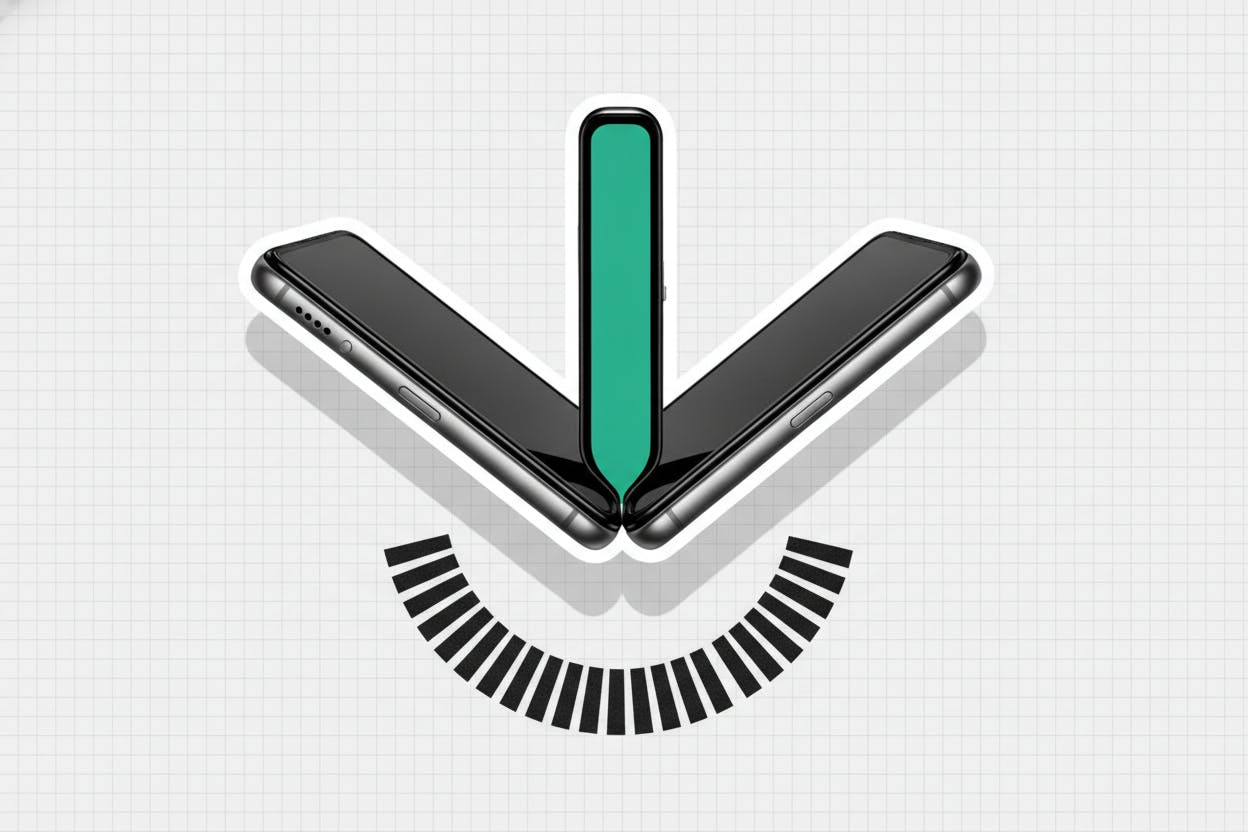
Apple is holding its annual iPhone launch event in Cupertino, and the headline reveal is expected to be a foldable iPhone priced at more than $2,000. The device would join new Pro and Pro Max models, marking one of the most significant hardware updates in years.
The launch puts John Ternus, Apple's senior vice president of hardware engineering, front and center. Ternus has been widely seen as a potential successor to CEO Tim Cook, and this event is a key test of his ability to deliver on a major new product category. As Ternus's first big test, the foldable iPhone could define his tenure.
What's driving the foldable push
Foldable smartphones have been around for several years, but they remain a niche segment. Samsung and other Android makers have led the market, while Apple has stayed on the sidelines. That may be about to change with a device that could cost more than $2,000, putting it at the premium end of Apple's lineup.
The high price point suggests Apple is targeting early adopters and loyal customers willing to pay a premium for a new form factor. But it also raises questions about demand. Smartphone sales have been sluggish in many markets, and consumers are holding onto their devices longer. A foldable iPhone could reignite interest, but the price may limit its appeal to a broader audience.
Apple is also reportedly tweaking its release schedule to smooth out sales. Instead of a single annual spike, the company may stagger launches or adjust production to avoid the typical post-launch slump. This could help stabilize revenue throughout the year, which investors often watch closely.
Why John Ternus matters
Ternus has been with Apple for over two decades and has overseen the development of key products, including the M-series chips and recent iPhone models. He is considered a steady hand in a company known for secrecy and precision. The foldable iPhone is a complex engineering challenge, involving new hinges, flexible displays, and durability concerns. Success could cement his reputation as an innovator, while any missteps could raise doubts.
As Apple's next CEO faces two big tests—the foldable iPhone and a smarter Siri—Ternus's performance at this event will be scrutinized. Investors and analysts will be looking for signs that Apple can still deliver breakthrough products, not just incremental updates.
What it means for investors
For everyday investors, the foldable iPhone is more than just a new gadget. It's a signal about Apple's growth strategy. The company has relied on iPhone sales for a large portion of its revenue, and a new form factor could extend the product cycle and encourage upgrades. However, the high price tag may limit volume, and the foldable market is still unproven.
Apple's move could also revive a struggling foldable market. Sales of foldables have been disappointing for some manufacturers, and Apple's entry could legitimize the category and attract new users. That could benefit suppliers and competitors alike, though it also increases competition.
Investors should watch how Apple manages the launch. If the foldable iPhone sells well, it could boost Apple's earnings and stock price. If it falters, it could weigh on sentiment. The company's decision to adjust its release schedule suggests it is trying to avoid the boom-and-bust cycle that has characterized past launches.
It's also worth noting that Apple faces legal and competitive pressures. A recent patent lawsuit over Face ID technology and the launch of rival foldables, such as Huawei's Mate XT2, add to the challenges. But Apple's brand loyalty and ecosystem remain strong advantages.
The bigger picture
The foldable iPhone is part of a broader trend in the smartphone industry toward more expensive, feature-rich devices. As growth in unit sales slows, companies are focusing on higher-priced models to maintain revenue. Apple's move could set a new benchmark for what consumers expect from a premium phone.
For now, the event is the main focus. Investors will be listening for details on pricing, availability, and any surprises. The foldable iPhone is a bold bet, and its success will depend on execution. Ternus is in the spotlight, and the coming months will show whether Apple can turn this ambitious product into a commercial hit.