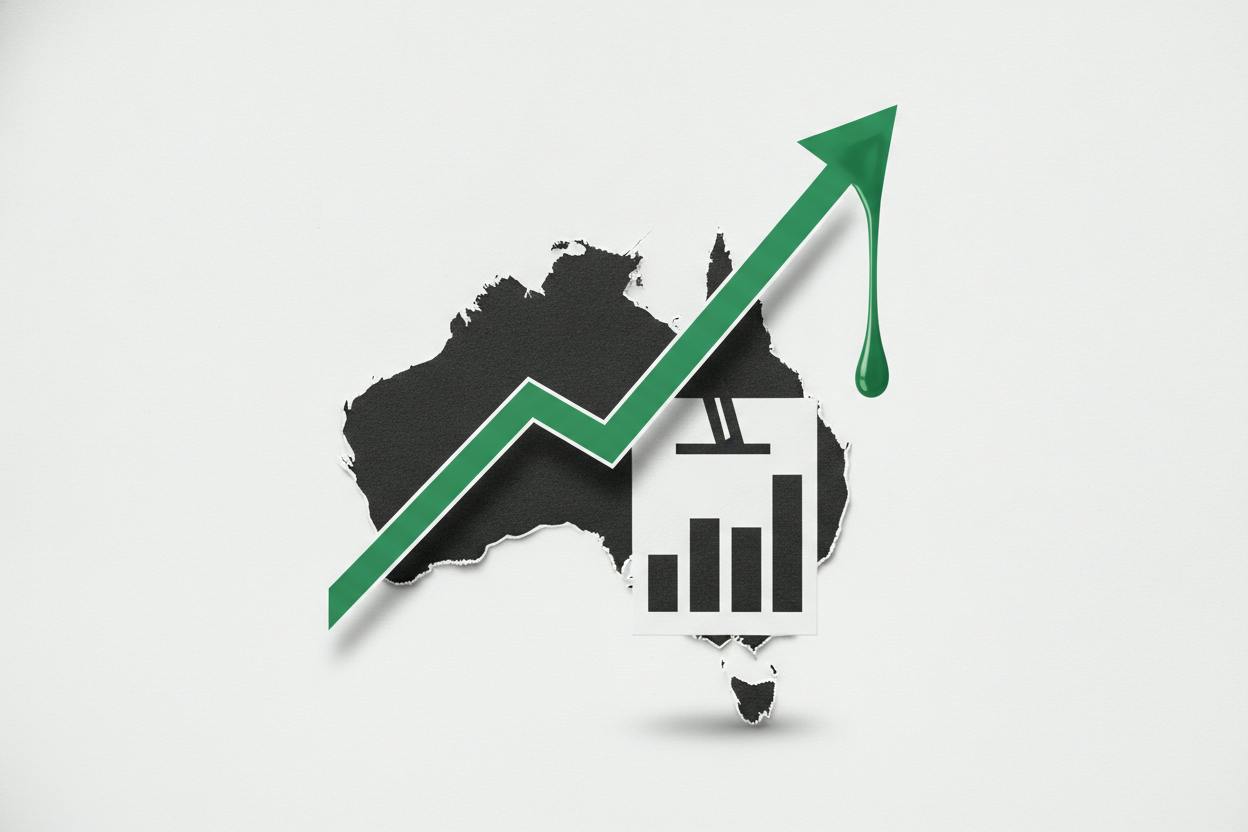
Australian shares posted their strongest session in months on Wednesday, with the S&P/ASX 200 jumping 2.61% to 9,065.10. The rally followed a sharp overnight bounce in US stocks after the Democratic sweep in the US midterm elections gave investors something they had been craving: clarity.
Markets tend to dislike uncertainty, and the prospect of a divided or unpredictable Washington had kept some investors on edge. With Democrats taking control of Congress, the thinking goes, policy over the next two years could be more predictable. That tends to lift “risk-on” assets like equities, and Australian investors joined the party.
But beneath the broad advance, the day told a more nuanced story. Energy stocks lagged as oil prices tumbled, while technology names led the gains. And one of the country's biggest banks delivered a reminder that higher interest rates are still working their way through the economy.
Oil slides, energy stocks feel the pinch
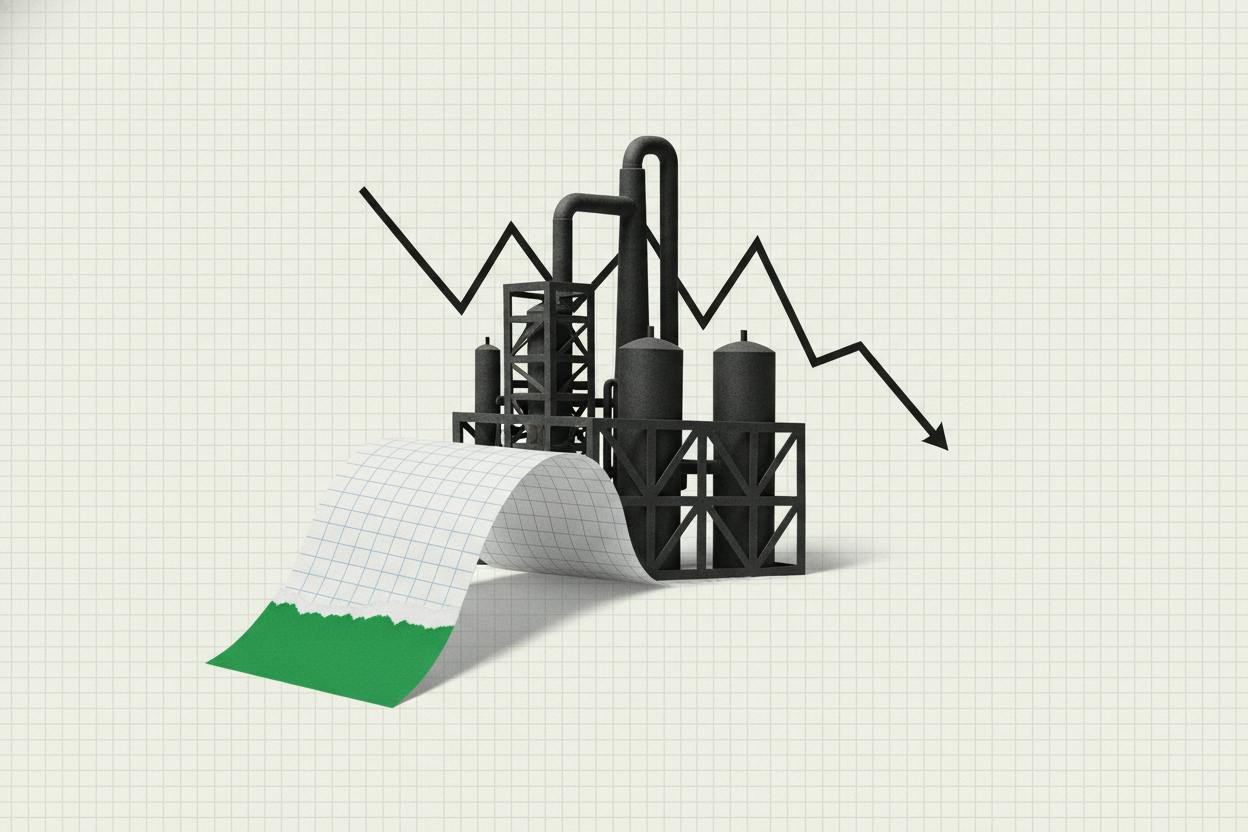
Oil prices dropped sharply, with the US benchmark slipping below $87 a barrel and Brent crude falling under $94. The move weighed on Australian energy producers, which had enjoyed a strong run earlier in the year when prices were elevated.
The drop in oil reflects a mix of factors, including easing fears of supply disruptions and a broader shift in sentiment after the election. For investors, lower oil prices can be a double-edged sword: they hurt energy company profits but can ease inflation pressures, which in turn supports consumer spending and gives central banks more room to pause rate hikes.
Tech stocks, by contrast, were among the day's best performers. The sector has been sensitive to interest rate expectations, and any sign that rates might not need to rise as aggressively tends to boost growth-oriented companies.
NextDC jumps on Goodman and Digital Realty interest
Company-specific news also moved the market. Data-center operator NextDC surged after flagging interest from two major players: Goodman Group, a real estate investor, and Digital Realty Trust, a US-listed data-center landlord. The news highlights the growing strategic value of data infrastructure, especially as the AI boom drives demand for computing power.
Data centers have become a hot asset class, with investors drawn to their steady cash flows and long-term contracts. The interest from Goodman and Digital Realty suggests that even as some parts of the tech sector cool, the physical backbone of the digital economy remains in demand. For more on how data center policy is shaping the sector, see how state rules are splitting tech stocks.
NAB's loan-loss charge: a warning sign?
Not everything was rosy. National Australia Bank, one of the country's biggest lenders, fell after lifting its expected bad-loan charges. The bank set aside AU$1.55 billion for potential loan losses, up from AU$833 million a year earlier.
That jump is more than a dent to near-term profit. It signals that NAB expects more borrowers to struggle as higher interest rates bite. Loan-loss provisions run straight through earnings, and if those losses materialise, they can also chip away at the capital buffers that regulators watch closely.
Banks often respond to rising bad-debt expectations by tightening lending standards or charging more for credit. If other Australian banks report similar increases in provisions, it could ripple through the bank-heavy ASX financial sector and, more importantly, shape how easy and how expensive it is for households and businesses to borrow.
For everyday investors, this is a key trend to watch. A rising tide of bad loans can signal that the economy is slowing, even if the broad market is celebrating a good day. It also raises questions about how much longer banks can keep paying generous dividends if profits come under pressure.
What it means for investors
Wednesday's rally is a reminder that markets can move quickly when a major overhang is removed. The US midterm outcome has given investors a clearer picture of the political landscape, and that clarity is being rewarded across global markets. US stocks rallied on the same news, and European shares also hit a two-month high.
But the NAB news is a cautionary note. The credit cycle appears to be turning, and that has implications for banks, borrowers, and the broader economy. While a single bank's provisions are not a definitive signal, they are often an early warning. Investors should keep an eye on whether other lenders follow suit.
Oil's slide is another factor to monitor. Lower energy prices can ease inflation and support consumer spending, but they also hit the earnings of energy companies and oil-producing regions. For Australian investors, the energy sector is a significant part of the market, so swings in crude prices can have outsized effects.
Overall, the market's mood has improved, but the underlying challenges of high rates and a slowing economy have not disappeared. Days like this are welcome, but they are not a guarantee of what comes next. As always, a diversified portfolio remains the best defence against the unexpected.