Australia's economy lost some momentum in the second quarter, but the slowdown wasn't sharp enough to ease pressure on the central bank. Fresh data from the Australian Bureau of Statistics showed real gross domestic product (GDP) rose 0.4% in the three months to June, slightly ahead of what economists had expected. On an annual basis, growth slowed to 2.1%.
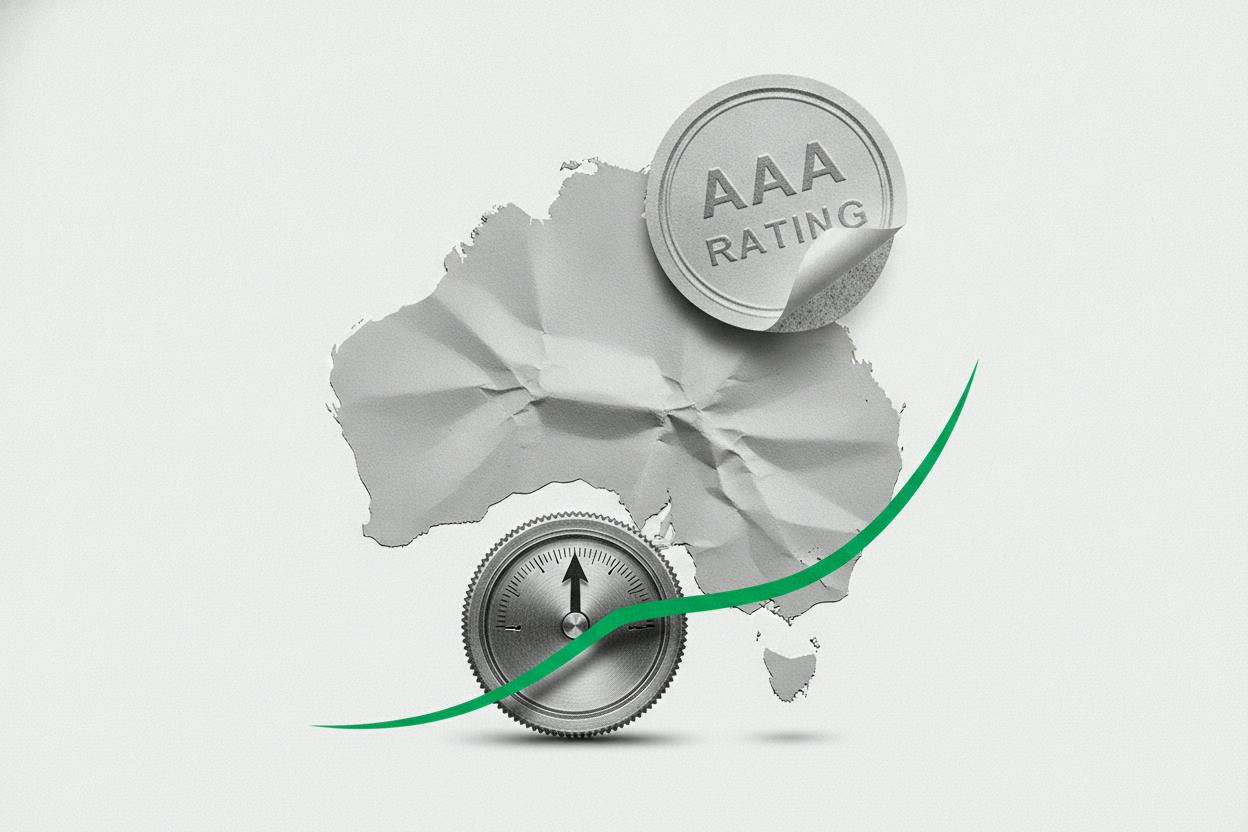
That figure matters because it sits just above the Reserve Bank of Australia's (RBA) rough 2% "speed limit" for growth that doesn't add to inflation pressure. When the economy expands faster than that, policymakers worry that demand is running too hot and could keep prices rising. So even though growth is cooling, it hasn't cooled enough to rule out another interest rate hike.
Why the 2% speed limit matters
The RBA doesn't have an official growth target, but it has long signaled that annual GDP growth of around 2% is consistent with stable inflation. Above that, the economy may be generating too much demand, forcing businesses to raise prices. Below that, growth might be too weak to keep unemployment low.
With annual growth at 2.1%, the economy is just barely above that threshold. That's why investors didn't interpret the slowdown as a reason to drop their rate hike bets. Instead, they pushed up the odds of a September rate increase to 57%, according to market pricing.
For everyday Australians, this means the cost of borrowing could still go up. If the RBA raises its cash rate again, variable mortgage rates and other loans would likely follow, putting more pressure on household budgets already stretched by high living costs.
What's driving the slowdown?
The quarterly GDP rise of 0.4% marks a moderation from earlier in the year, when the economy was growing at a faster clip. The slowdown reflects a mix of factors: high interest rates are cooling consumer spending, global demand is softening, and businesses are becoming more cautious about investing.
However, the fact that growth still came in above expectations suggests the economy has some resilience. Strong population growth, a tight labor market, and government spending have all helped cushion the blow from higher rates.
But the RBA's focus remains on inflation. Even with growth cooling, price pressures are still running above the bank's 2-3% target band. The central bank has repeatedly said it will do what it takes to bring inflation back to target, even if that means sacrificing some economic growth.
What it means for investors
For investors, the key takeaway is that Australian interest rates may stay higher for longer. That has implications across asset classes:
- Bonds: Higher rates typically push bond yields up and prices down. Investors holding fixed-income securities could see further volatility.
- Stocks: Rate-sensitive sectors like property, utilities, and consumer discretionary could face headwinds, as higher borrowing costs squeeze earnings and valuations.
- Australian dollar: A potential rate hike could support the currency, as higher yields attract foreign capital.
Investors will be watching the RBA's next meeting closely. Any signal that a hike is coming could trigger market moves, especially in interest-rate-sensitive stocks. The record cost gap squeezing Australian industry margins is another factor that could influence the central bank's decision, as businesses struggle to pass on higher costs.
Globally, the picture is mixed. While Australia's growth is cooling, other economies are showing similar trends. For instance, US factory growth cooled in August but price pressures remain hot, a pattern that echoes Australia's situation. Meanwhile, mixed US data suggests the global economy is slowing but not collapsing.
The road ahead
The RBA's decision in September will hinge on a range of data, including inflation figures, employment numbers, and consumer spending. If inflation remains sticky, a hike is likely. If it shows clear signs of easing, the bank may hold off.
For now, the market is pricing in a better-than-even chance of a hike. That means borrowers should prepare for the possibility of higher repayments, and investors should position their portfolios for a potentially higher-rate environment.
As always, the RBA will be walking a tightrope between taming inflation and avoiding an unnecessary economic slowdown. The next few weeks will be crucial in determining which way it leans.