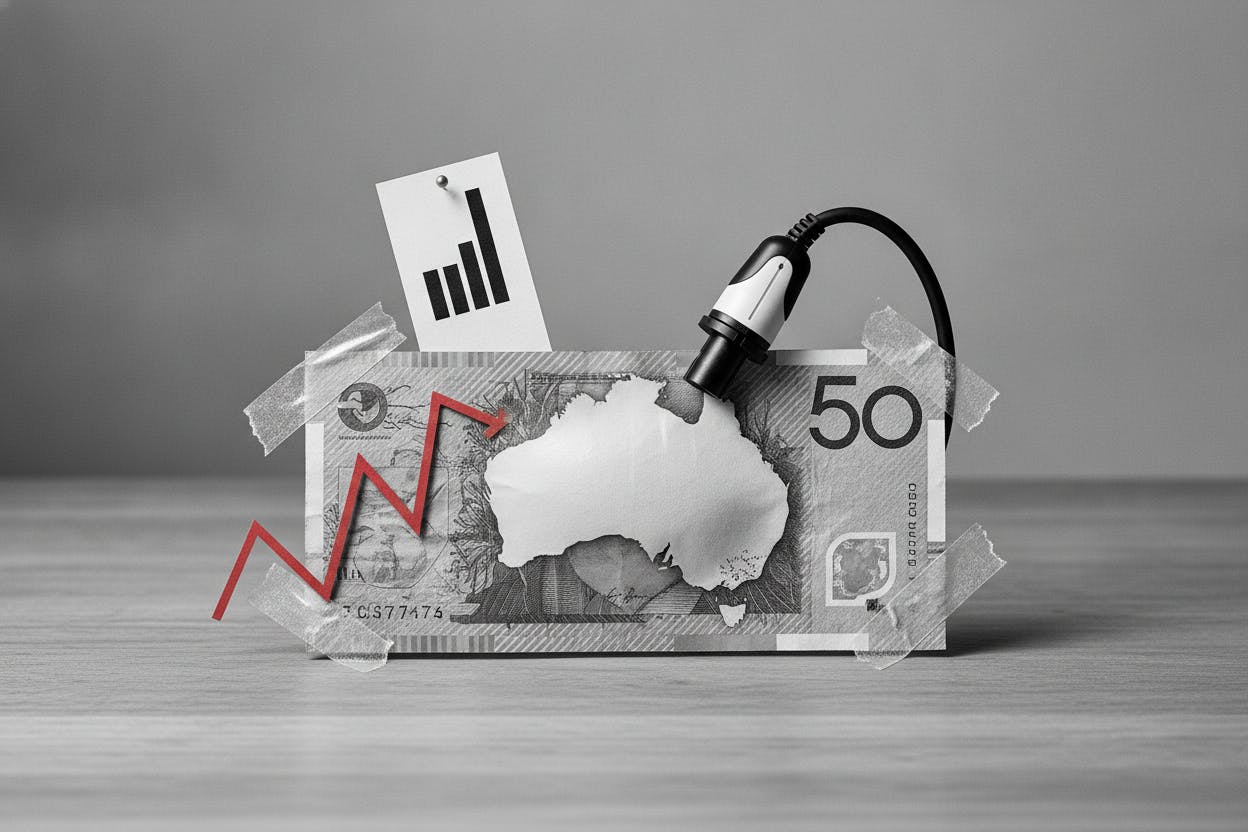
Australians kept spending in June, with household outlays rising 0.8% — far more than the 0.2% economists had expected. The latest figures from the Australian Bureau of Statistics (ABS) show total household spending reached A$81.3 billion, powered by new car purchases, including a growing number of electric vehicles, and stronger demand for travel.
The data suggests that consumers are still willing to open their wallets even as the Reserve Bank of Australia (RBA) holds its key interest rate at 4.35%. That rate, which has been in place since late 2023, is meant to cool spending and bring inflation down. But June's numbers show spending is proving more resilient than many anticipated.
What's driving the spending?
Transport was the standout category. Spending on new vehicles rose 3.0% in June, and the ABS noted that electric vehicle sales have been climbing. This aligns with a broader trend seen in other markets, where Chinese EV makers posted strong July sales, and Tesla's July Europe sales diverged sharply by country. In Australia, the shift toward EVs is being supported by government incentives and a wider range of models, though the overall car market is also benefiting from improved supply after years of pandemic-related shortages.
Travel was another big contributor. Australians are spending more on holidays and trips, both domestically and overseas. This mirrors a global pattern where consumers continue to prioritise experiences over goods, even as budgets tighten. However, the travel boom isn't universal — Marriott's profit forecast slipped as Middle East travel demand dropped, showing how regional conflicts can disrupt the sector.
What does this mean for the economy?
The stronger-than-expected spending figure is a double-edged sword. On one hand, it shows the economy isn't falling off a cliff. Consumer spending is a major driver of Australian GDP, so healthy outlays support jobs and business revenues. On the other hand, if spending stays too strong, it could keep inflation elevated, making it harder for the RBA to bring prices under control.
Annual spending growth ticked up to 6%, a three-month high, according to Reuters. That's a notable acceleration, and it comes at a time when many households are feeling the pinch of higher mortgage repayments and living costs. The fact that spending is still growing suggests that some consumers have built up savings buffers or are willing to take on more debt to maintain their lifestyles.
For the RBA, this data complicates the picture. The central bank has kept rates at 4.35% for several months, and markets are watching for any hints about future moves. If spending remains robust, the RBA might feel less pressure to cut rates soon. Conversely, if the economy starts to slow, rate cuts could come into play. The ECB linked a eurozone spending slowdown to Middle East war uncertainty, highlighting how global events can influence consumer behaviour — something the RBA will also be monitoring.
What it means for investors
For everyday investors, this report offers a few takeaways. First, the resilience in consumer spending is a positive sign for Australian retailers, car dealers, and travel-related companies. If spending continues to hold up, those businesses may see better-than-expected earnings. However, it's important to remember that a strong consumer can also mean the RBA keeps rates higher for longer, which can weigh on property prices and interest-sensitive stocks.
Second, the rise in EV sales is part of a broader global shift. Investors might look at companies in the EV supply chain, from battery makers to charging infrastructure providers, as potential beneficiaries. But as with any trend, it's wise to consider valuations and competition — SBA Communications raised its 2026 outlook as carriers keep spending on 5G, showing how infrastructure spending can create opportunities, but also how specific company performance can vary.
Finally, the travel spending strength is notable, but it's not uniform. While Australians are travelling, other regions face headwinds, as seen with Beiersdorf cutting its outlook due to Middle East conflict disrupting Gulf sales. Diversification remains key for investors.
In the coming months, all eyes will be on the RBA's next move and whether this spending momentum can last. The central bank will likely weigh this data against inflation figures and global developments. For now, the message is clear: Australian consumers are still spending, and that has implications for everything from interest rates to stock prices.