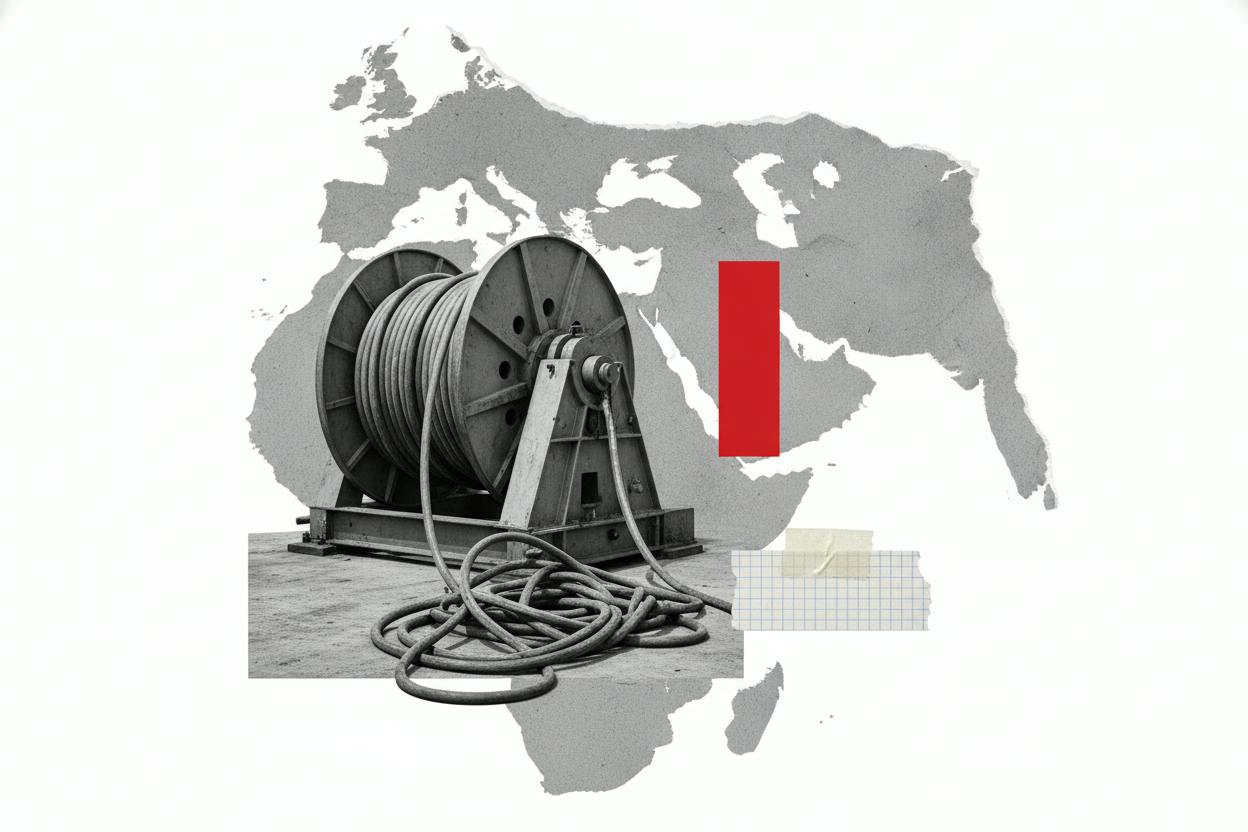
Baker Hughes, one of the world's largest oilfield services and energy technology companies, reported a drop in third-quarter profit as revenue declined in the Middle East and Asia and eased in North America. The results highlight how geopolitical tensions and shifting energy demand are rippling through the industry.
For the three months ended September 30, net income fell to $411 million, or 41 cents per share, from $609 million, or 61 cents per share, a year earlier. Revenue in the Middle East and Asia segment slid to $1.26 billion from $1.45 billion, while North America revenue dipped to $955 million from $980 million.
Why the Middle East slowdown matters
The Middle East has been a key growth engine for oilfield services firms, thanks to large-scale projects by national oil companies. But the region's ongoing conflict has introduced uncertainty. Reuters reported that the slowdown is linked to the conflict, which can delay final investment decisions and interrupt work once projects are underway.
When companies delay or pause projects, it directly affects the revenue of service providers like Baker Hughes, which earn money by supplying equipment, technology, and expertise for drilling and production. A slowdown in the Middle East can also signal broader caution among energy producers, who may be waiting for more stable conditions before committing to new spending.
North America, meanwhile, saw a modest decline, reflecting softer activity in the region's shale patch. While the drop was smaller in percentage terms, it adds to the picture of a cooling demand environment for oilfield services across multiple geographies.
What this means for investors
For everyday investors, Baker Hughes' results offer a window into the health of the global energy sector. Oilfield services companies are often seen as a bellwether for energy investment: when they struggle, it suggests that producers are trimming budgets or delaying projects.
The decline in profit and revenue is a reminder that energy markets are sensitive to geopolitical events. The Middle East conflict has already pushed oil prices higher at times, as seen in oil's jump above $100 earlier this year. But higher oil prices don't always translate into immediate gains for service firms, especially if projects are put on hold.
Investors should also consider the broader context. Baker Hughes is not alone in facing headwinds; other energy-related companies have reported similar challenges. For example, Safran's aftermarket slowdown spooked investors despite strong sales, showing that even companies with solid fundamentals can see their shares react negatively to signs of softening demand.
Looking ahead, the key question is whether the Middle East slowdown is temporary or a sign of a longer-term trend. If the conflict eases, project activity could pick up, boosting revenue for Baker Hughes and its peers. Conversely, if tensions persist, the company may face continued pressure in the region.
For now, investors should watch for updates on project resumptions and any changes in the company's outlook. As with any earnings report, it's important to look beyond the headline numbers and consider the underlying drivers—such as regional revenue trends and management's commentary on future activity.
In the meantime, the broader market has been dealing with its own set of concerns, from inflation jitters to shipping risks in the Middle East. These factors can influence investor sentiment and energy prices, adding another layer of complexity for those tracking the sector.
Ultimately, Baker Hughes' third-quarter results serve as a reminder that energy investing is not just about the price of oil—it's also about the pace of project development and the stability of the regions where those projects take place. For everyday investors, staying informed about these dynamics can help in making more thoughtful decisions about energy-related holdings.