Galp Energia, the Portuguese oil and gas company, delivered what analysts at Berenberg called a solid set of third-quarter results. But the market's attention was elsewhere: the company's stock fell about 11% after it confirmed that merger talks with Spain's Moeve had collapsed.
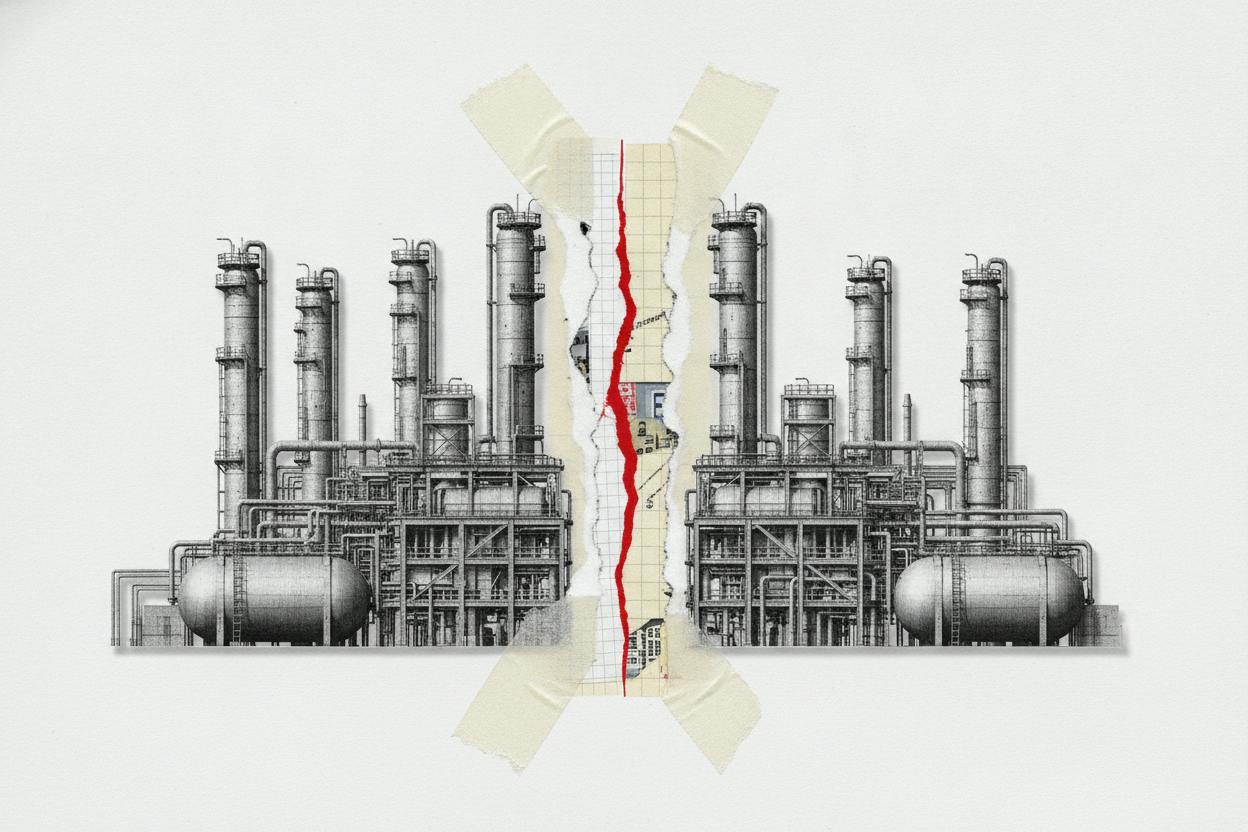
The sharp decline shows how much investors were banking on the deal, which would have combined Galp's downstream operations—refining and fuel retail—with Moeve's similar business. When the talks fell through, the strategic story changed, and the share price paid the price.
What happened in the quarter
According to Berenberg, Galp's October 26th update showed strong performance across its business lines. The company beat analyst expectations and raised its guidance for 2026, helped by a supportive economic backdrop. That would normally be a reason for shares to rise, not fall.
But the market is forward-looking. Investors were not just judging the past quarter; they were pricing in the future. The merger with Moeve was seen as a way to create a larger, more competitive downstream player in Europe, where refining margins have been under pressure. Without that deal, Galp's downstream business may face a more uncertain path.
Why the deal fell apart
The two companies failed to agree on key commercial terms, according to the brief. That is a common reason for merger talks to end, but it still leaves a gap in Galp's strategy. The company had been exploring a tie-up that would have reshaped its portfolio, and now it must go back to the drawing board.
For investors, the collapse raises questions about what Galp will do next. Will it look for another partner? Will it invest more in its own downstream operations? Or will it shift focus to its upstream and renewable energy businesses? The answers will determine whether the stock can recover.
What it means for investors
For everyday investors, the key takeaway is that even good operational results can be overshadowed by strategic news. A company can beat expectations and raise guidance, but if the market was hoping for a transformative deal, the disappointment can outweigh the positives.
This is not unique to Galp. Similar patterns have been seen in other markets, such as when HSBC's profit jump was overshadowed by a buyback that disappointed, or when JetBlue's reassurance on liquidity was the focus despite bond stress. In each case, the market's reaction was driven by more than just the headline numbers.
Investors should also note that Galp's underlying business appears healthy. The raised 2026 guidance suggests management is confident about the company's prospects, even without the Moeve deal. That could provide some support for the stock in the longer term.
What to watch next
Galp's next steps will be crucial. Investors will be listening for any hints about a new strategic direction, whether that involves another merger, asset sales, or increased investment in growth areas. The company's ability to create value without the deal will be tested.
For now, the market has voted with its feet, and the 11% drop reflects the disappointment. But as with any setback, the long-term picture depends on how management responds. If Galp can show it has a credible plan to grow its downstream business on its own, the shares could recover.
In the meantime, this episode is a reminder that in the stock market, expectations matter as much as results. A solid quarter is good, but a broken deal can be a bigger story.