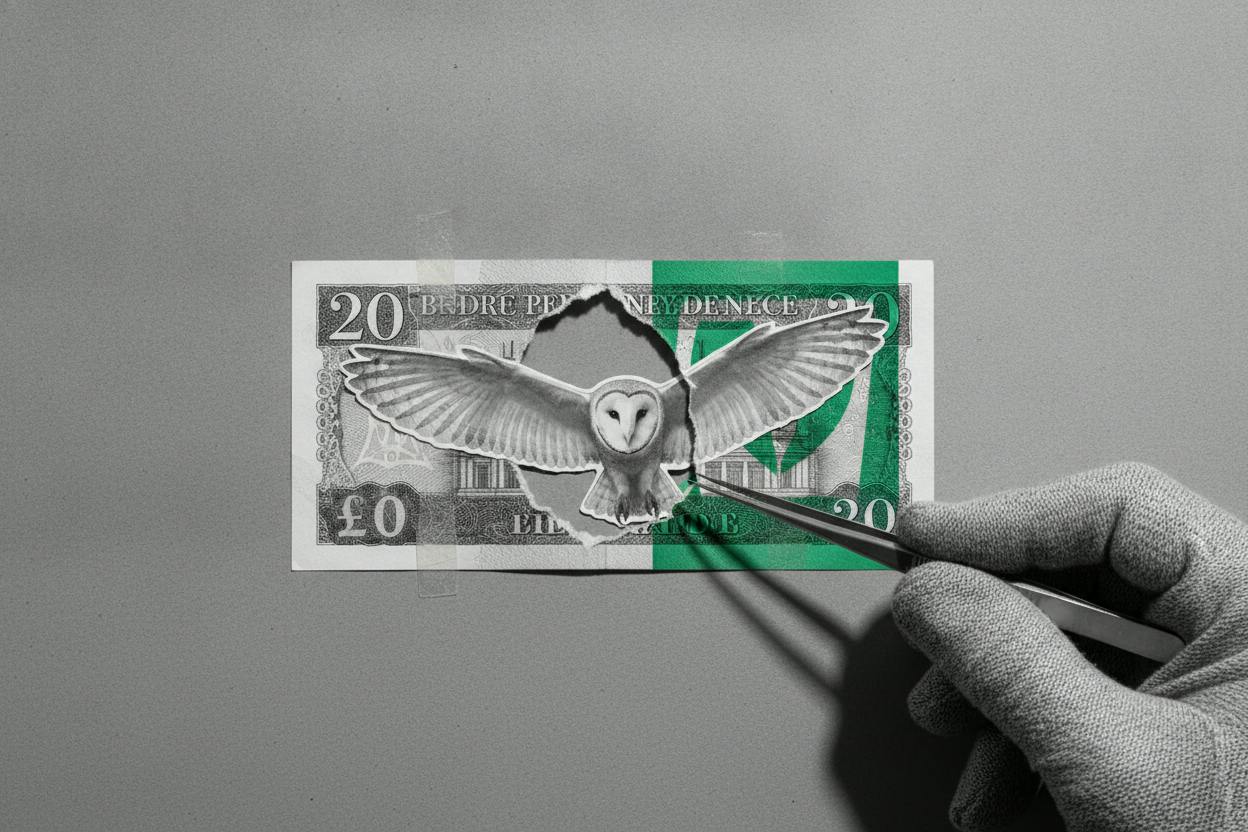
The Bank of England has announced that its next series of banknotes will feature native British wildlife, including a barn owl, bumblebee, puffin, and hedgehog, replacing familiar faces such as Winston Churchill. The decision follows a public consultation in which nearly 500,000 people cast their votes.
Why the change?
In March, the central bank said it would stop putting historic figures on new notes, a shift that sparked political backlash and raised questions about who would be chosen. The Bank's rationale is straightforward: fresh, distinctive artwork can make counterfeit notes harder to forge, while the monarch will still appear on the new series, maintaining continuity.
The animal list was whittled down from 18 options, with the final four chosen by the public. This is not the first time the Bank has sought public input; previous consultations have helped shape the design of banknotes, though this is the first time wildlife has taken centre stage.
What does this mean for investors?
For most investors, the change is symbolic rather than financial. Banknotes are a small part of the broader money supply, and the design shift does not affect interest rates, inflation, or the value of the pound. However, it does highlight the Bank of England's focus on security and public engagement, which are important for maintaining trust in the currency.
The move also comes at a time when the Bank is grappling with other issues, such as new risks to financial stability and the ongoing battle against inflation. While the wildlife notes are a cosmetic change, they reflect the Bank's efforts to modernise and stay relevant.
Broader context
The Bank of England has been in the spotlight recently for its monetary policy decisions. It has held rates at 3.75% but signalled a possible hike, and traders have been adjusting their bets on future moves. The pound has been volatile, with sterling slipping as rate hike expectations shift. These are the factors that truly move markets, not the artwork on banknotes.
Still, the consultation process is a reminder that the Bank is listening to the public. For everyday investors, it's a chance to see how the institution balances tradition with innovation. The new notes are expected to enter circulation in the coming years, though no specific dates have been announced.
What to watch next
Investors should keep an eye on the Bank's next policy meetings, where decisions on interest rates will have a more direct impact on savings, mortgages, and investment portfolios. The wildlife notes are a nice talking point, but the real story for your money is the path of inflation and the Bank's response.
As the Bank continues to navigate a challenging economic environment, the shift to wildlife-themed notes is a small but notable chapter. It shows that even a centuries-old institution can adapt, and it gives the public a stake in the currency they use every day.